Fall 2022
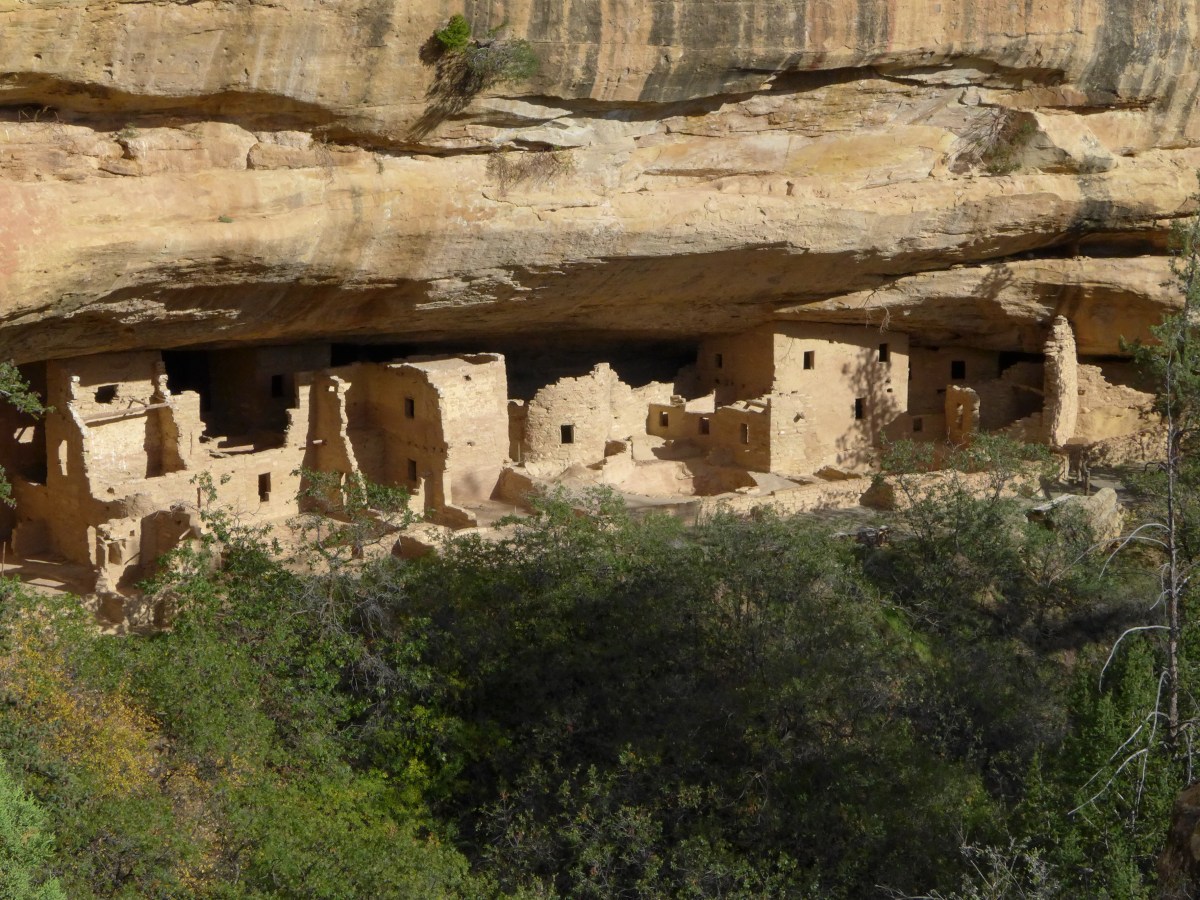
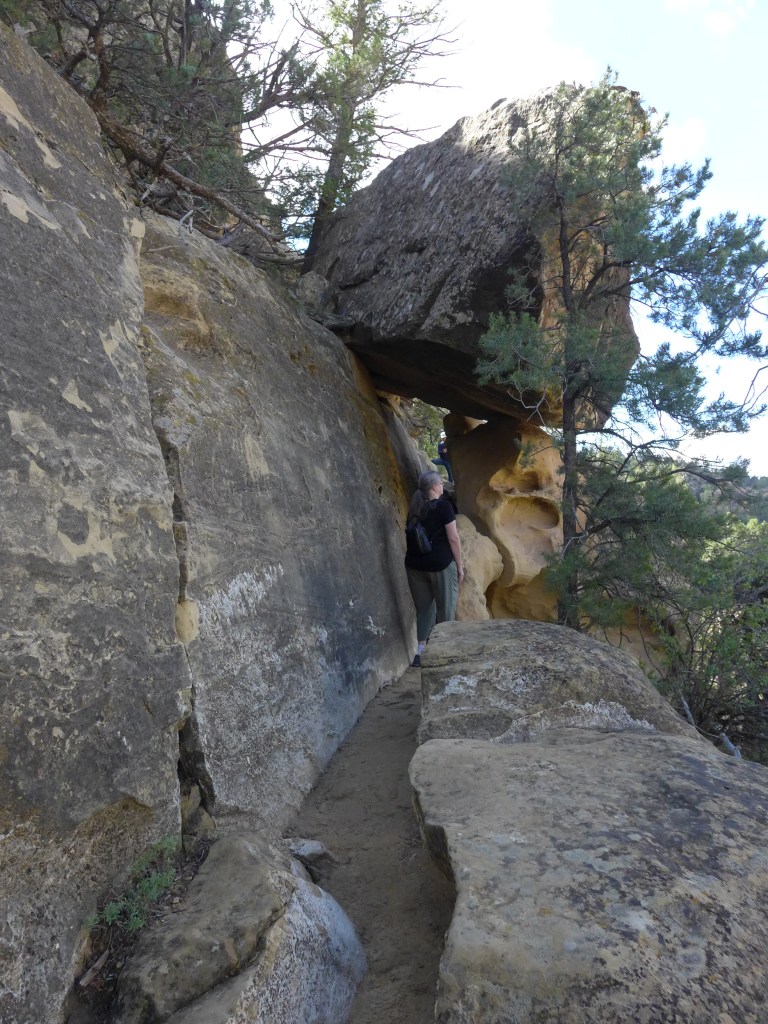
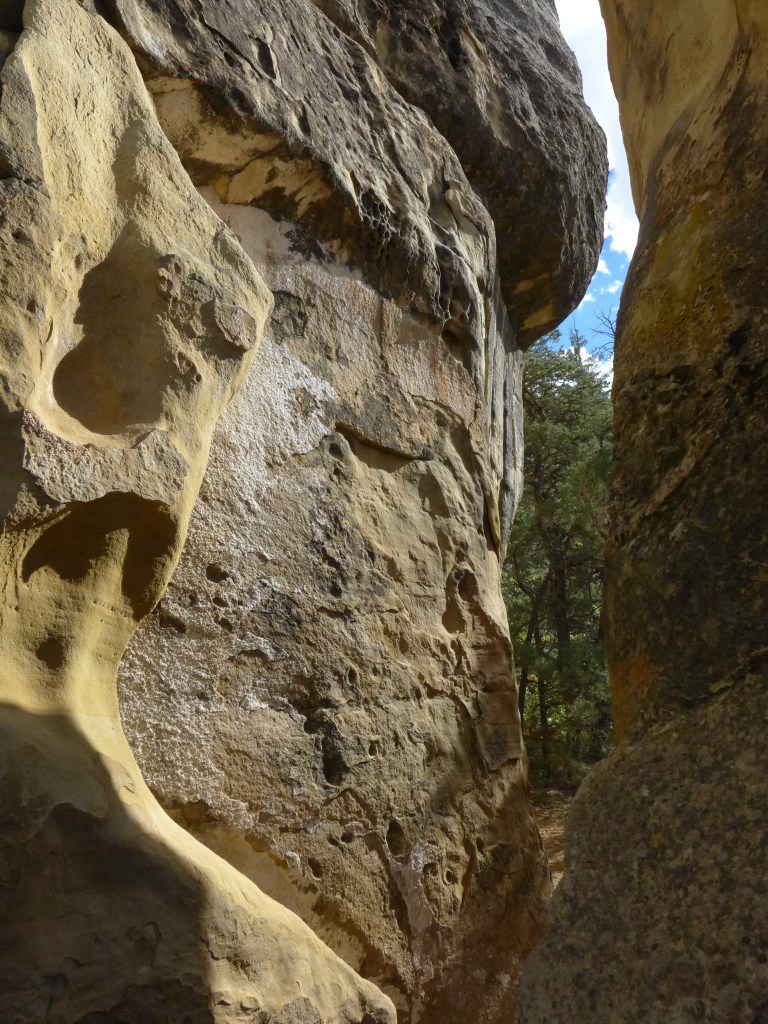
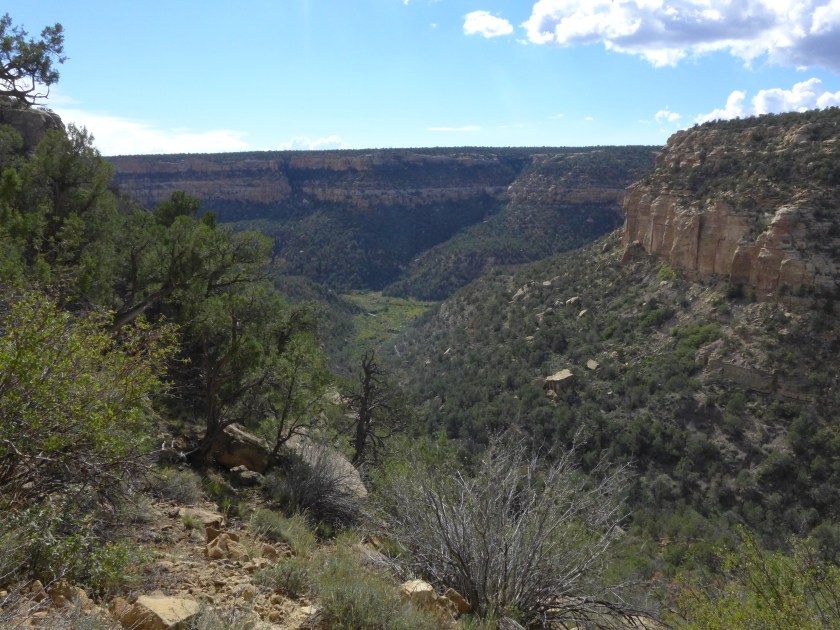
To say that Mesa Verde is a magical place is an understatement.
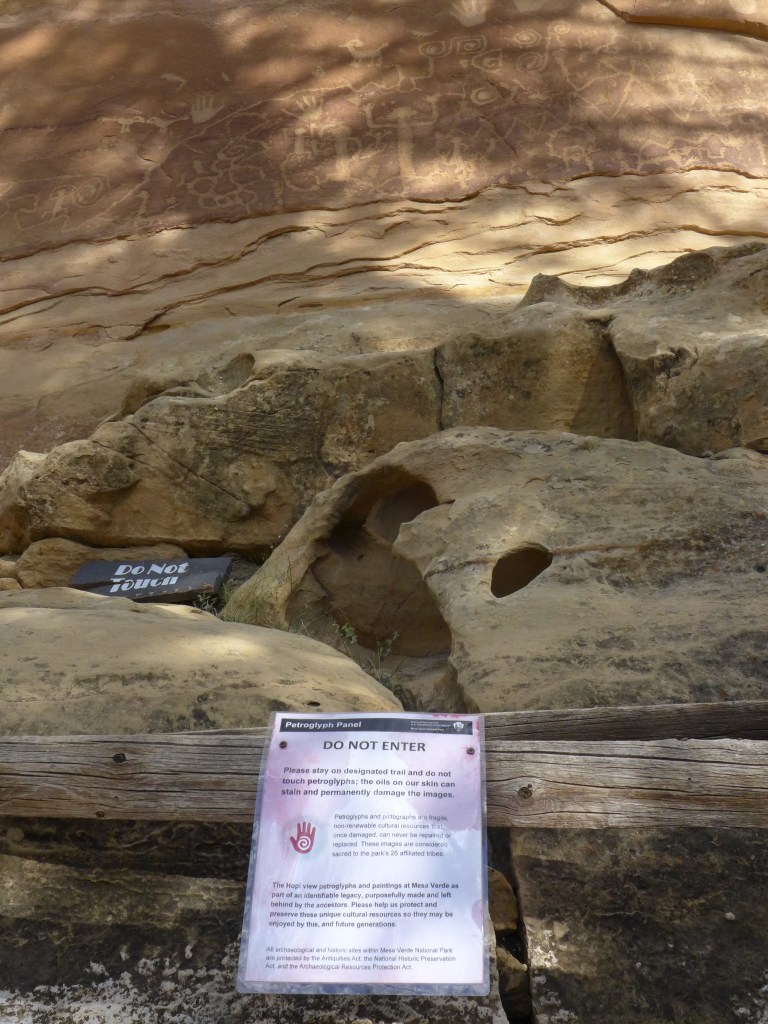
Having said that, it was only one of the homes of a people on the move. A people whose ancestry, lifestyle, history, and descendants are still emerging and evolving. It is one of many interconnected sites where an ancient people built cliff dwellings, hunted, gathered, farmed, and traded with others over surprisingly long distances as evidenced by what they left behind.1
During the Fall of 2022 we decided to visit the southwest corner of Colorado, in particular, Mesa Verde National Park. My wife has a book on the lodges at national parks around the U.S. and this one is within a day’s drive of our home. We had been to the park many years ago so, it was time to pay another visit.
The route took us south on Interstate 25 to Walsenburg, CO where we exited onto U.S. 160 westward through the town and over La Veta Pass past the crossroads at Fort Garland, past the majestic Blanca Peak Massif and Great Sand Dunes National Monument to Alamosa, Colorado. From there, the road passes Wolf Creek Ski Area rising over Wolf Creek Pass on the Continental Divide to descend into the resort town of Pagosa Springs on the Western Slope—as lands west of the Continental Divide in Colorado are called.
We stopped in Pagosa Springs for lunch at what has become a Colorado icon, a local brewery, bar, and grill or “brew pub”—the Western Slope Breakroom Bar and Grill. The food is traditional western brew pub fare. We chose the bison burgers with salads and, of course, a couple of in-house brews. A satisfying lunch, not too heavy but enough to get us through to dinner at the lodge at Mesa Verde still a few hours away.
From there, Route 160 passes through a series of divides, rises, and canyons with scenic views, especially in the Fall. One of the most notable sights is the spires at Chimney Rock National Monument. It is one of the many ancestral Puebloan ruins. It is built on a ridge forming a natural aperture that frames the moon at its Winter Solstice setting. It has attracted archaeologists, astronomers, historians, tourists, and Native Americans seeking to reconnect with their ancestors, culture, and history. It is another magical place like Mesa Verde. But, as I said, there are hundreds. Most remain unknown and seldom visited—for the better.
Beyond Chimney Rock, we descended past Bayfield and the road north to Vallecito Reservoir into Durango. It is the largest town and the regional center of Southwest Colorado and the Four Corners region. Durango is a historic place of cowboy legends. It is now a tourist magnet and a point of departure to many other historic towns, mountain passes, and lakes. People go from there to ski, for scenic on and off-road drives, hunting, fishing, and mountaineering. It is the western terminus of the 385-mile Colorado Trail that starts southwest of Denver in Waterton Canyon just above Chatfield Reservoir.
U.S. 160 continues west out of Durango to the small town of Mancos, past the entrance to Mesa Verde National Park. The last time I was in the area, we were chasing a friend’s hot air balloon. It had landed in a farming family’s field. As I recall, they could not have been more accommodating and their kids were thrilled. I’ll write more on ballooning elsewhere in the blog.
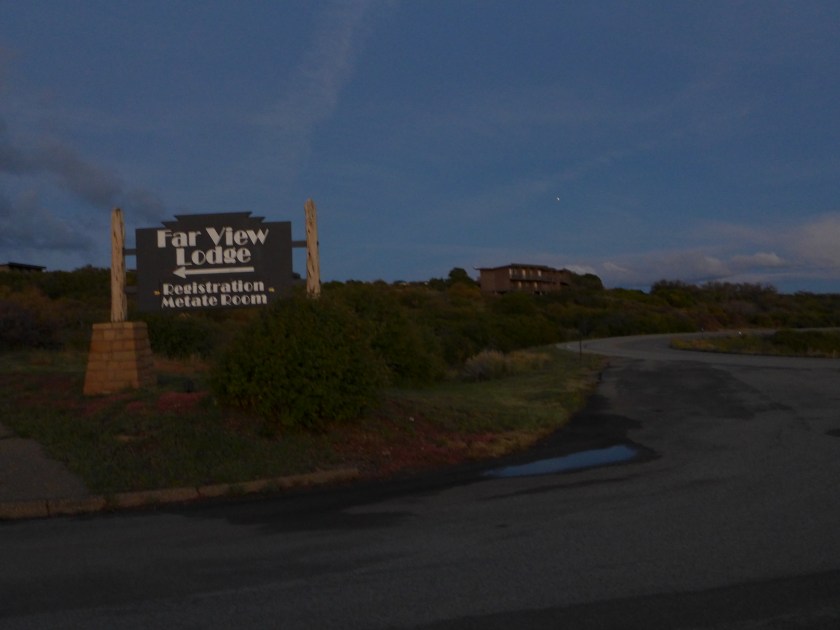
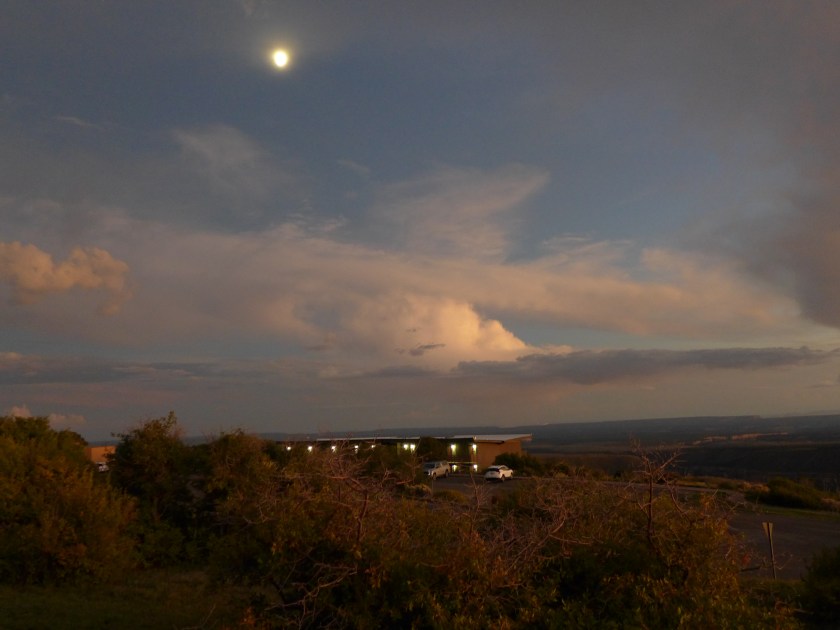
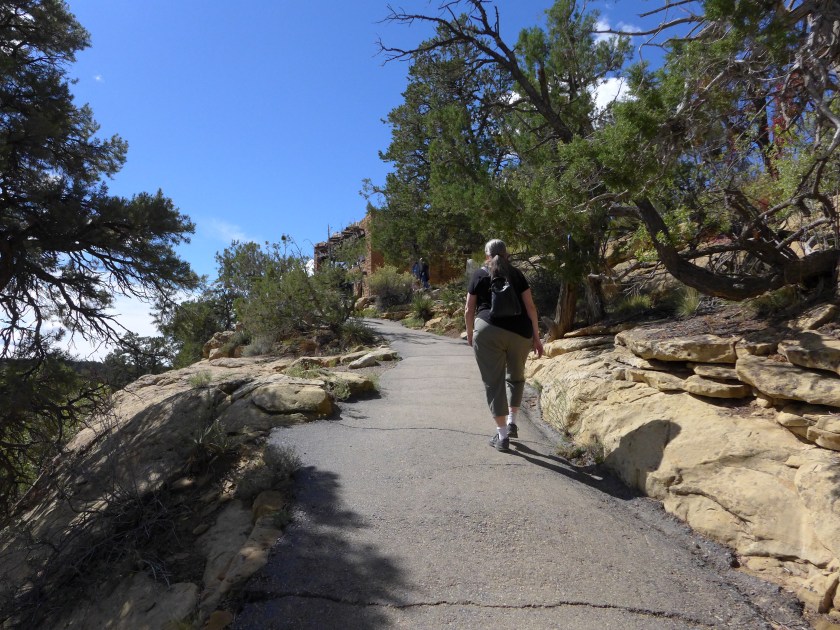
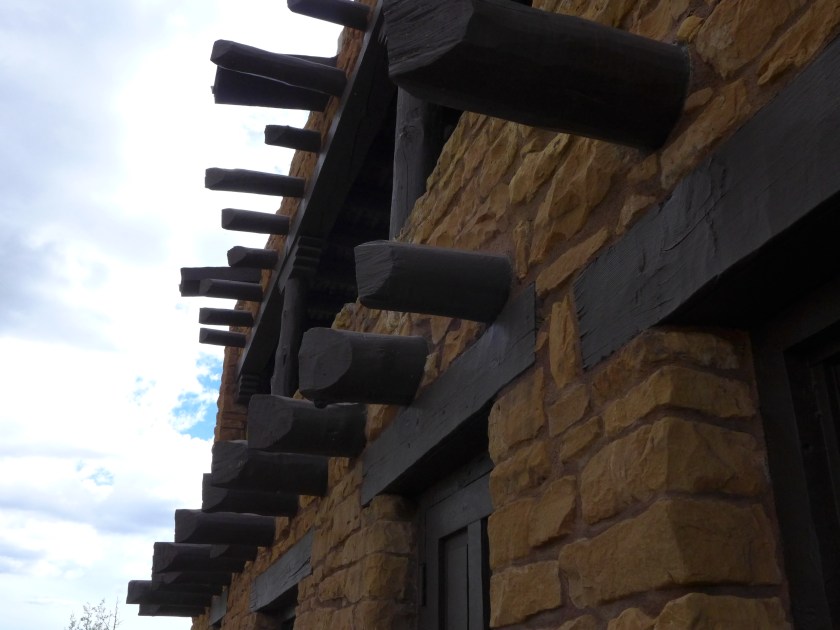
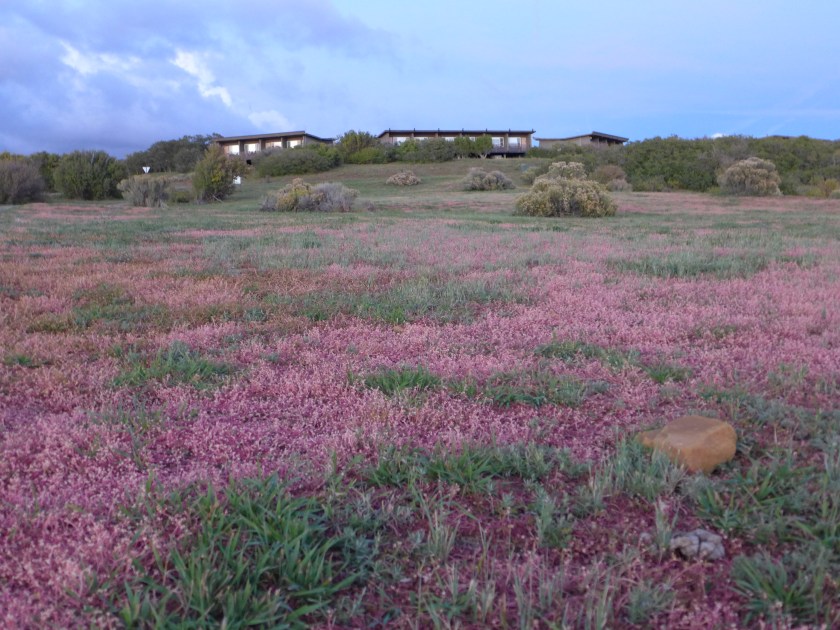
We turned off onto the the winding road leading past the Mesa Verde Visitor and Research Center to the Park Entrance. After paying the fee and receiving a park map, we proceeded up Mesa Top Ruins Road to Far View Lodge.
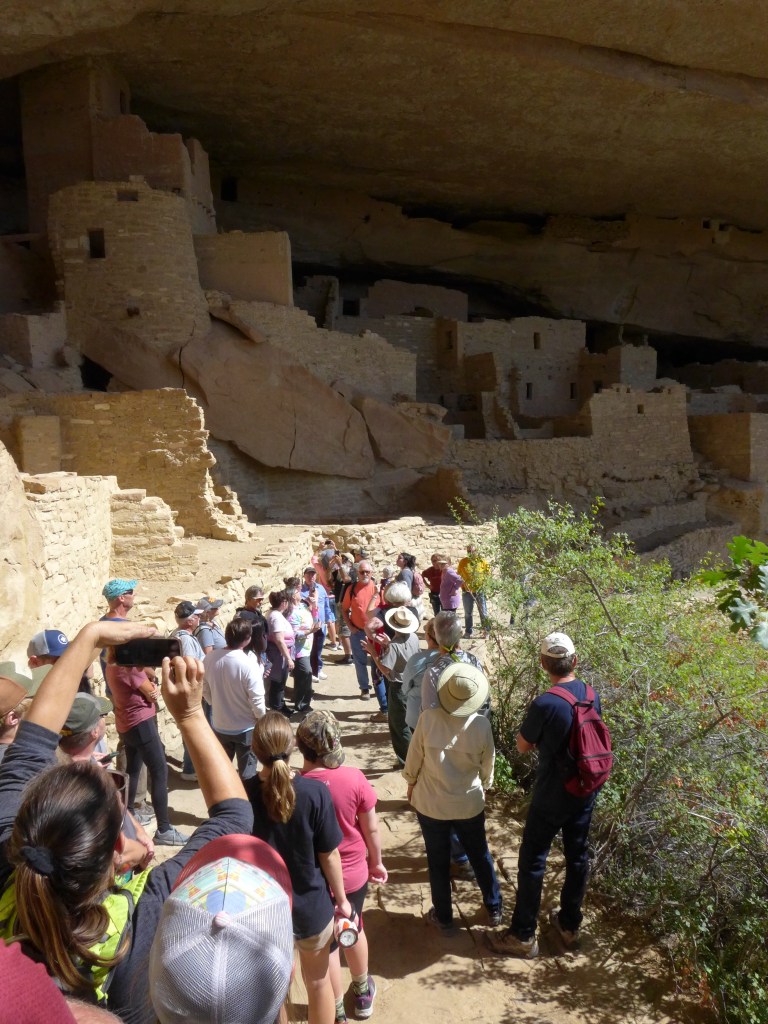
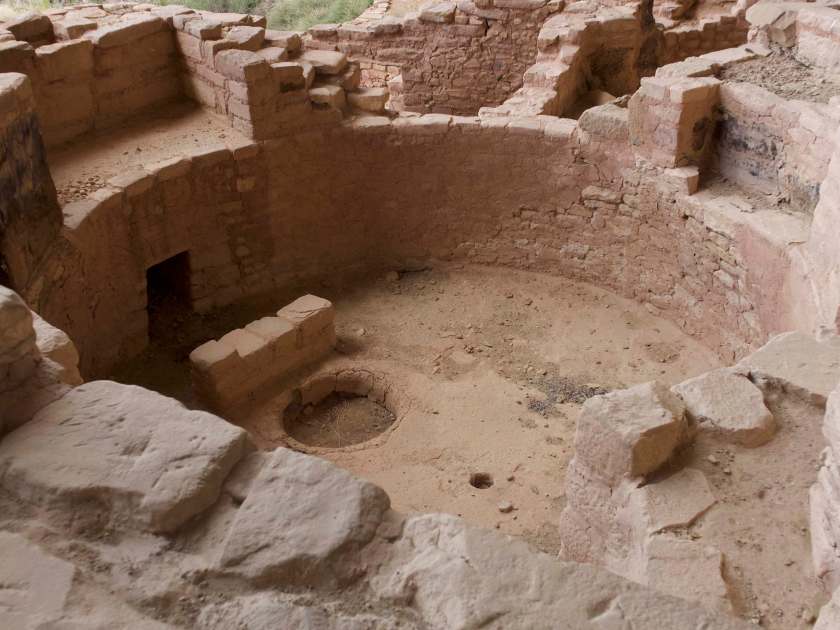
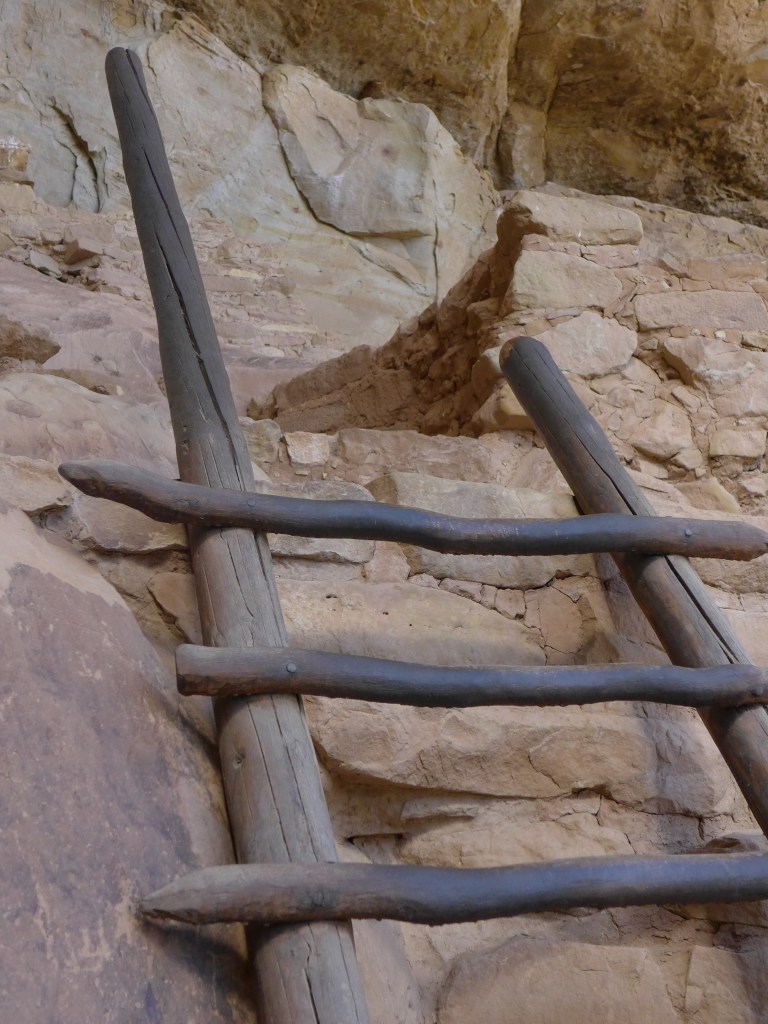
For the first day of our visit, we reserved spots on a ranger-guided tour of Cliff Palace, the iconic and most renown site in the National Park.
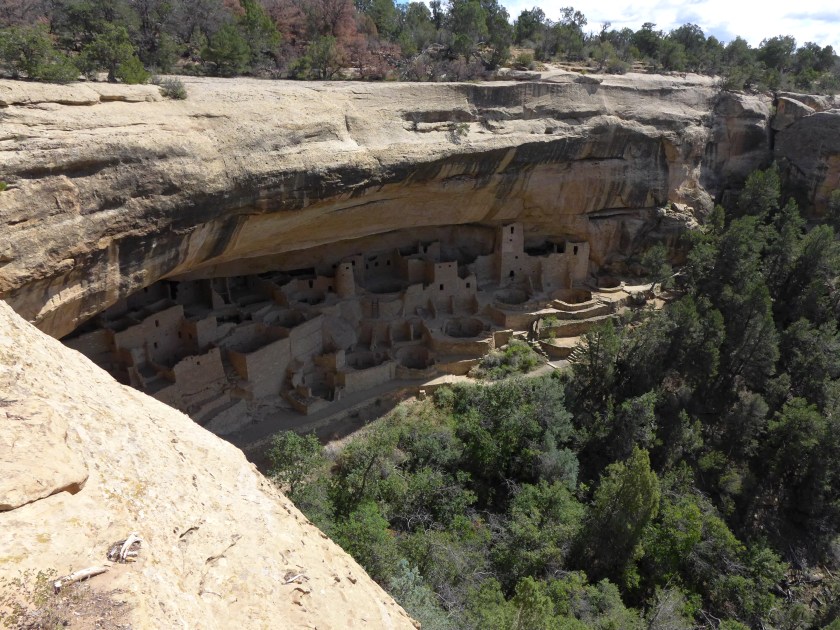
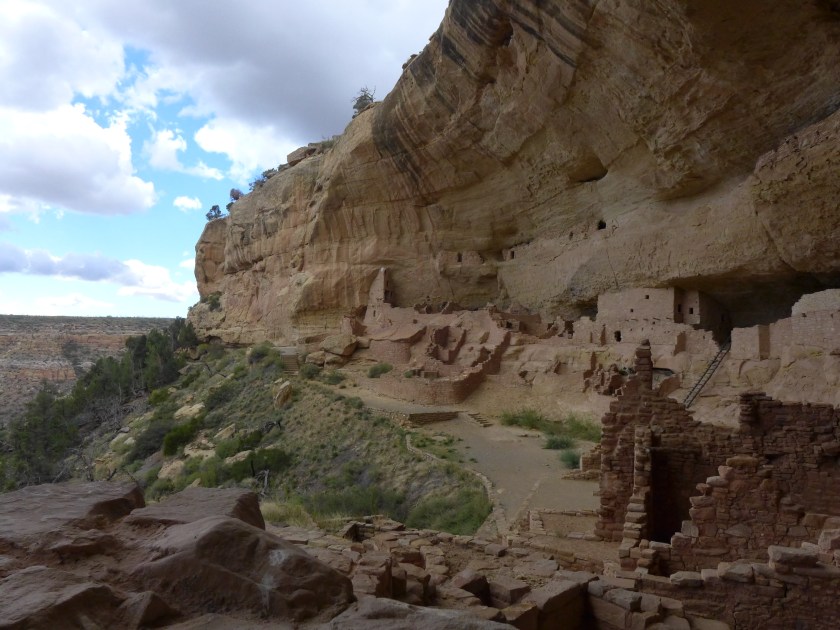
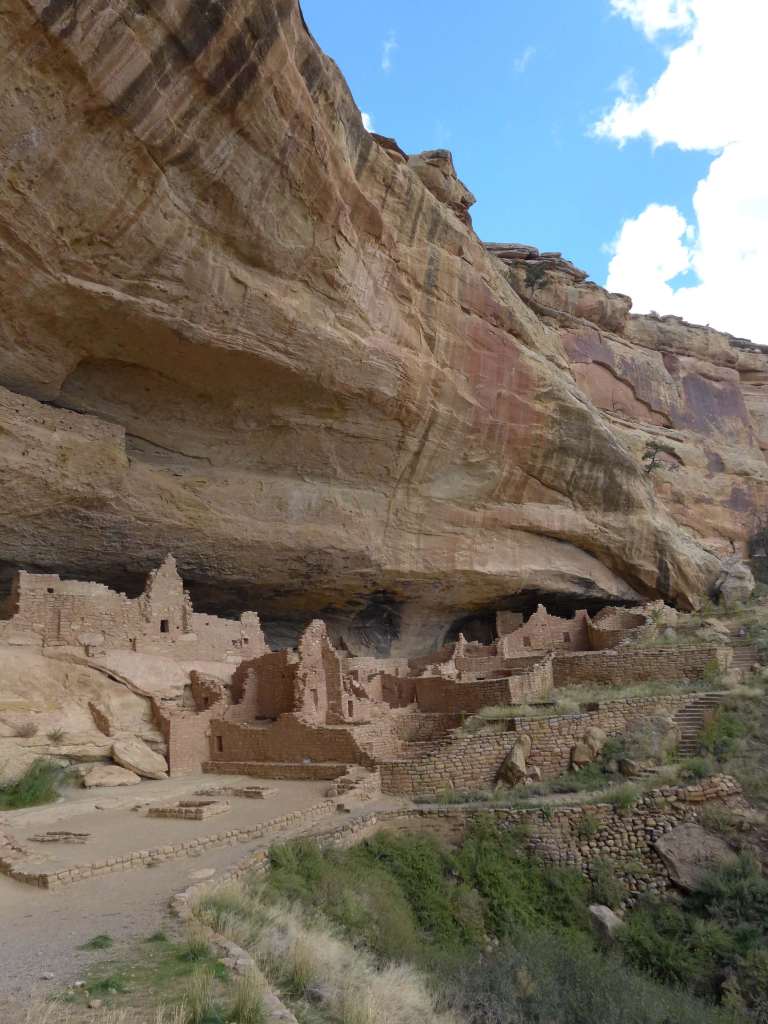
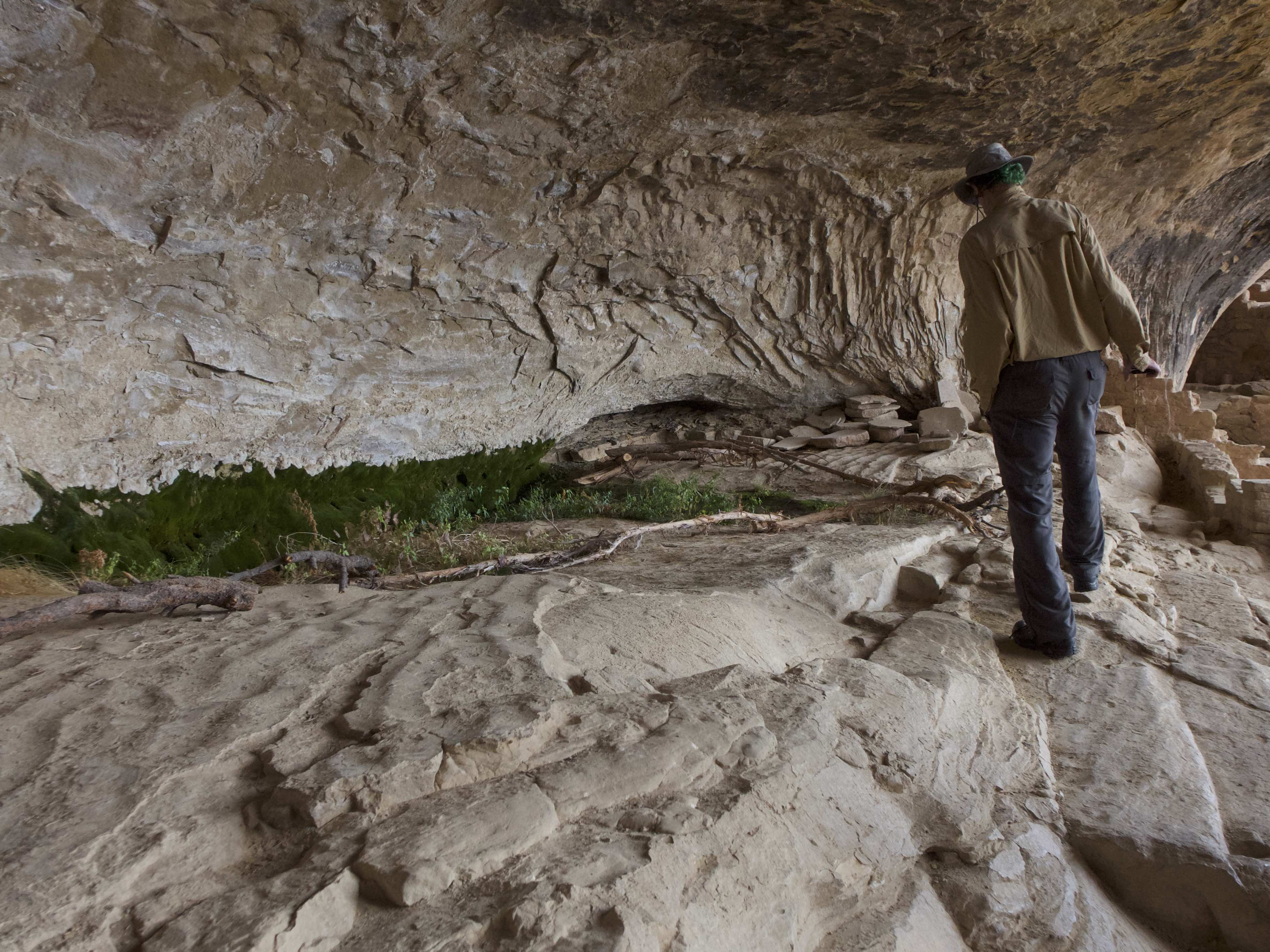
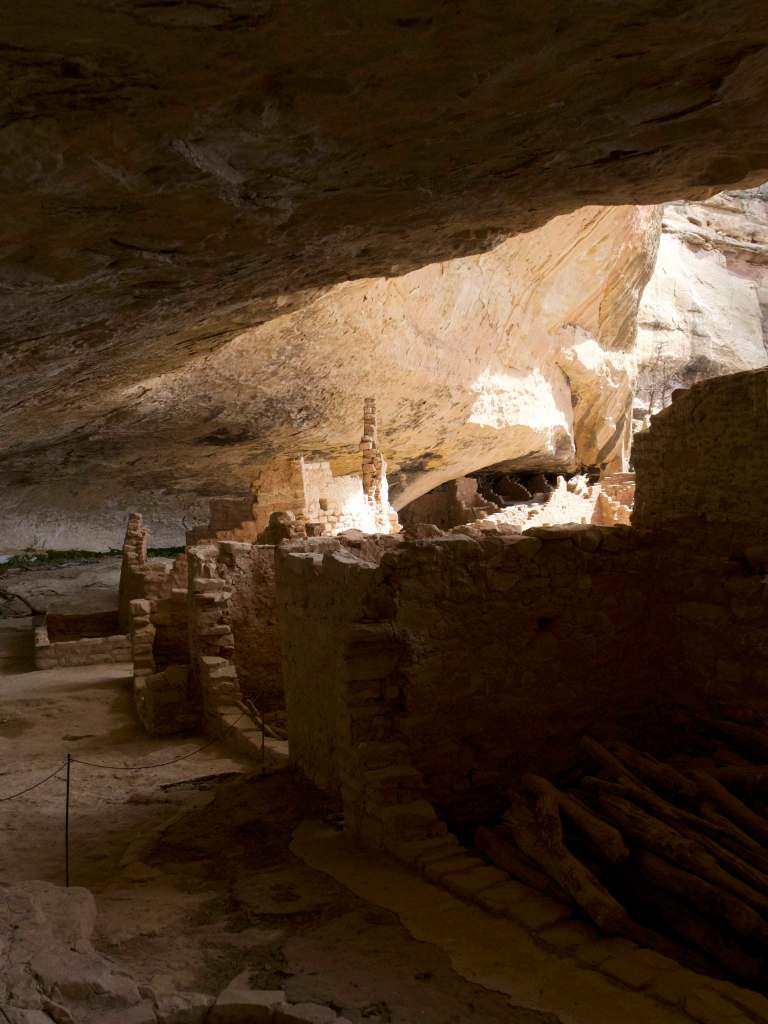
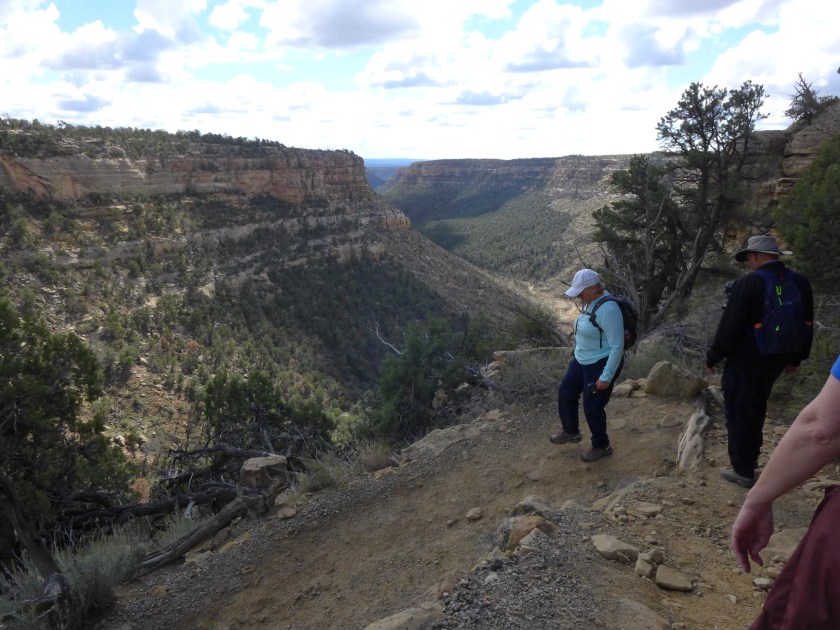
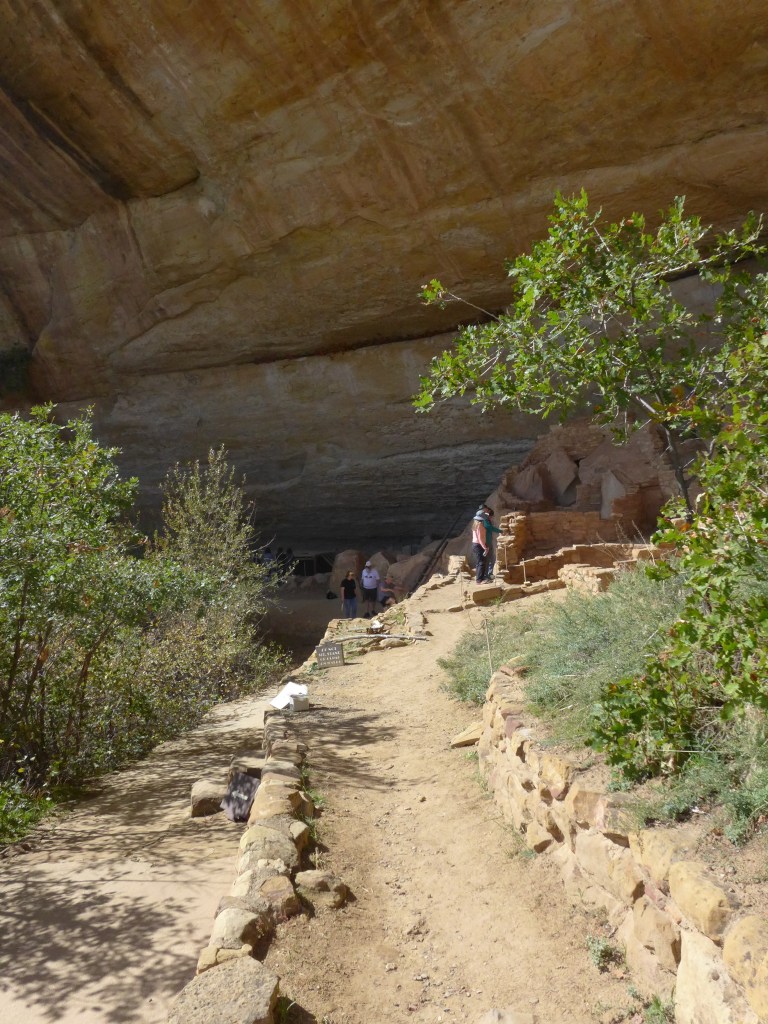
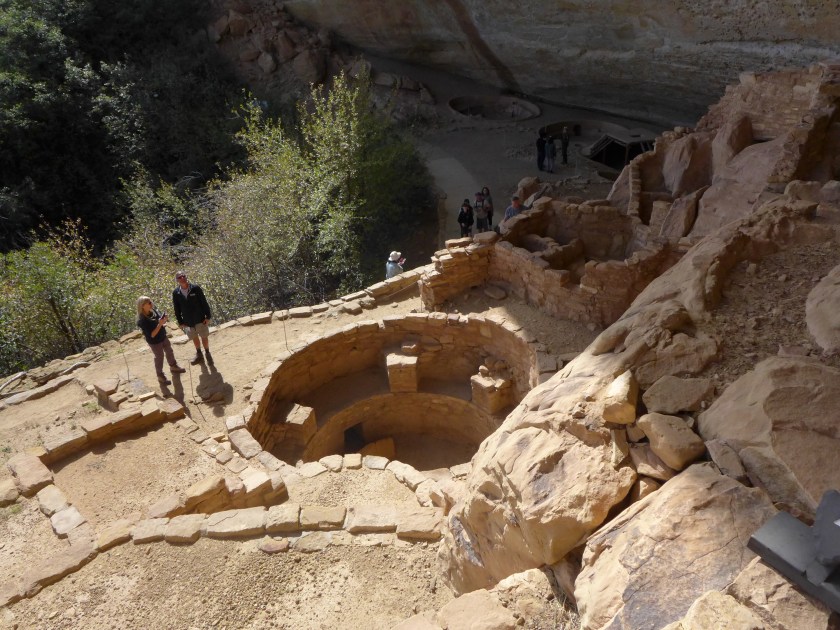
On the second day of our visit, we toured Long House in the southwestern corner of the Park.
- Childs, Craig. House of Rain: Tracking a Vanished Civilization Across the American Southwest, Back Bay Books/Little, Brown, and Company, Hachette Book Group, New York, NY, c. 2006 ↩︎
Farewell Mesa Verde—until the next time. We plan to visit nearby Canyon of the Ancients, Hovenweep, Four Corners, Antelope House, and Canyon de Chelly, among others. So much to see, so little time.

 A Finis Terrae