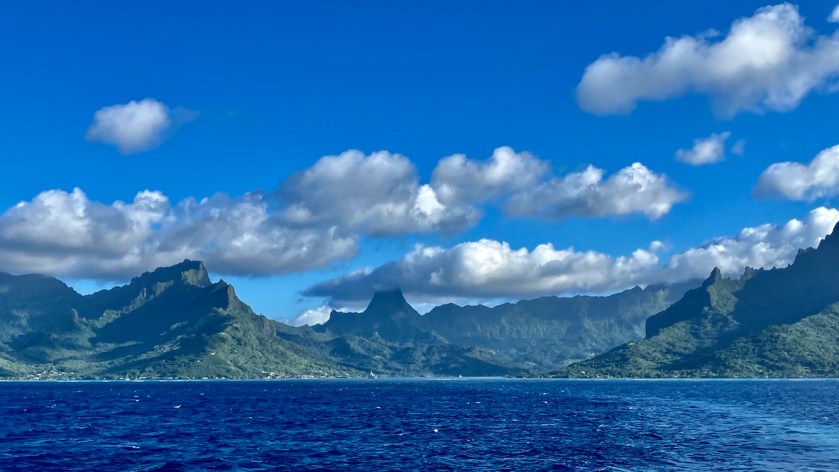
Our trip to Tahiti and the outer island chains of French Polynesia was coming to an end. We had learned how these islands were slowly populated by indigenous southeast Asian seafarers and, later, discovered by European adventurers, traders, missionaries and, eventually, colonists. We were greeted in every port by descendants of those earliest settlers with music, songs, and folklore. Their artwork ranged from very small to very large wood and stone sculpture—vehicles for the spirits of their ancestors to play a role in daily life—to colorful woven fabrics and jewelry, a lot of jewelry. Gray and silvery Tahitian pearls dominate as centerpieces of rings, necklaces, earrings, and bracelets. Mother-of-pearl, leather, and found objects like seashells and colorful stones also figure into the jewelry and art. Their music features the ubiquitous ukulele, drums, and guitars. Their songs speak of ancestors, love, loss, hopes and dreams, and the ever-present impact of foreigners. Their cuisine centers on fish and seafood, as you would expect, but includes transplanted agricultural products like coconuts, bananas, breadfruit, and vanilla. Tahitian vanilla is a special delicacy that is exported around the world.
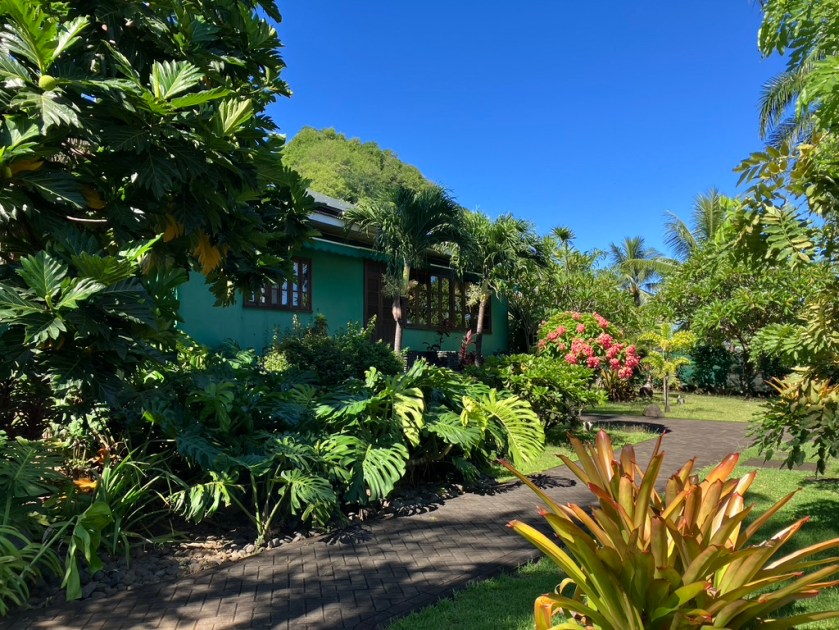
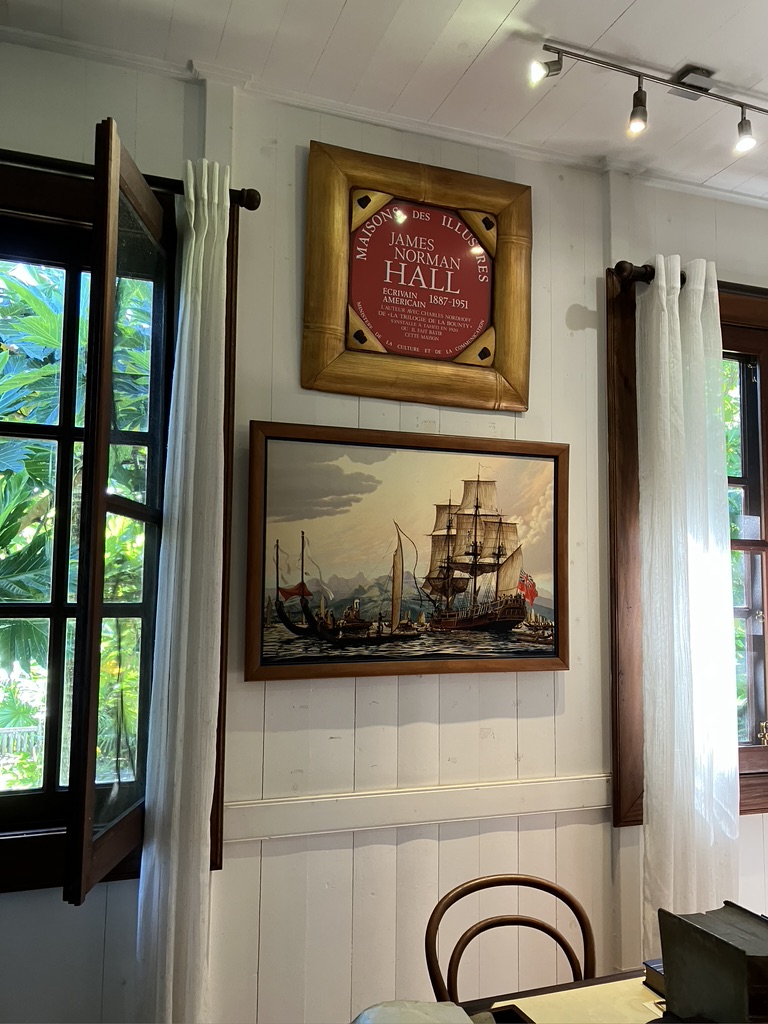
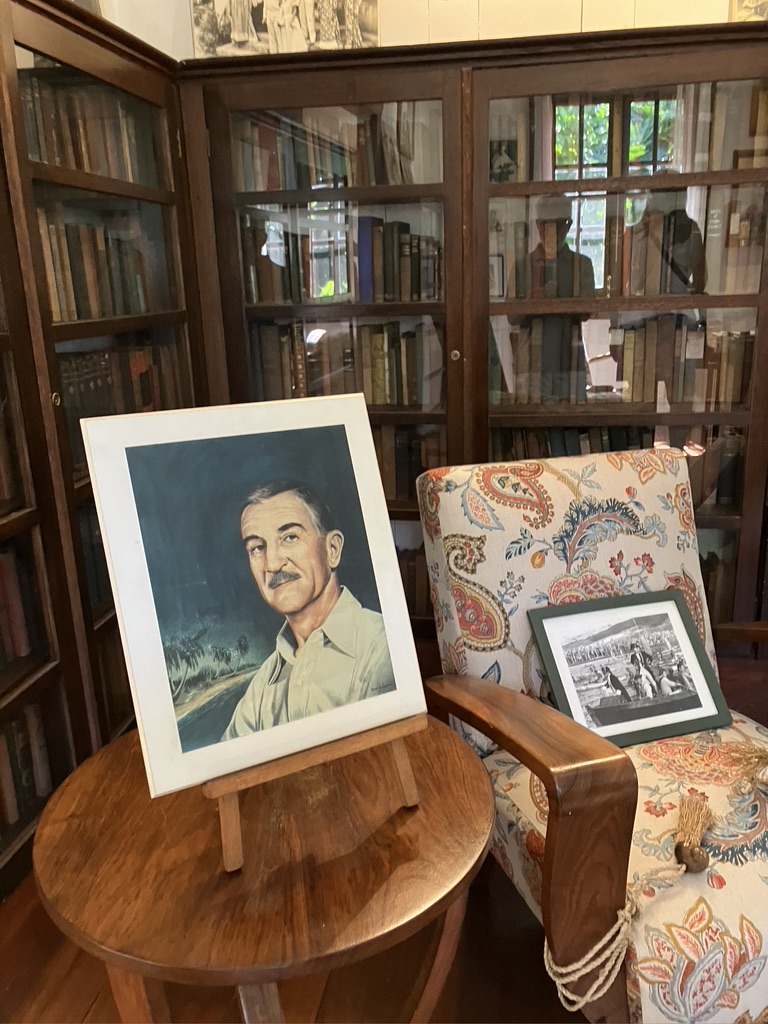
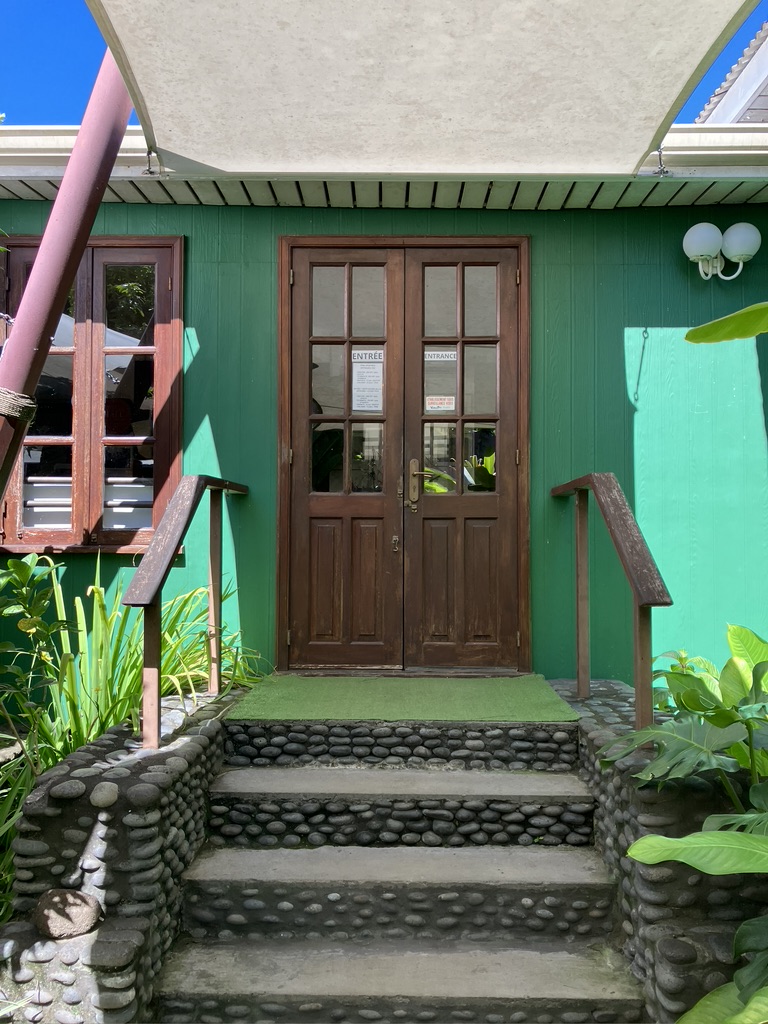
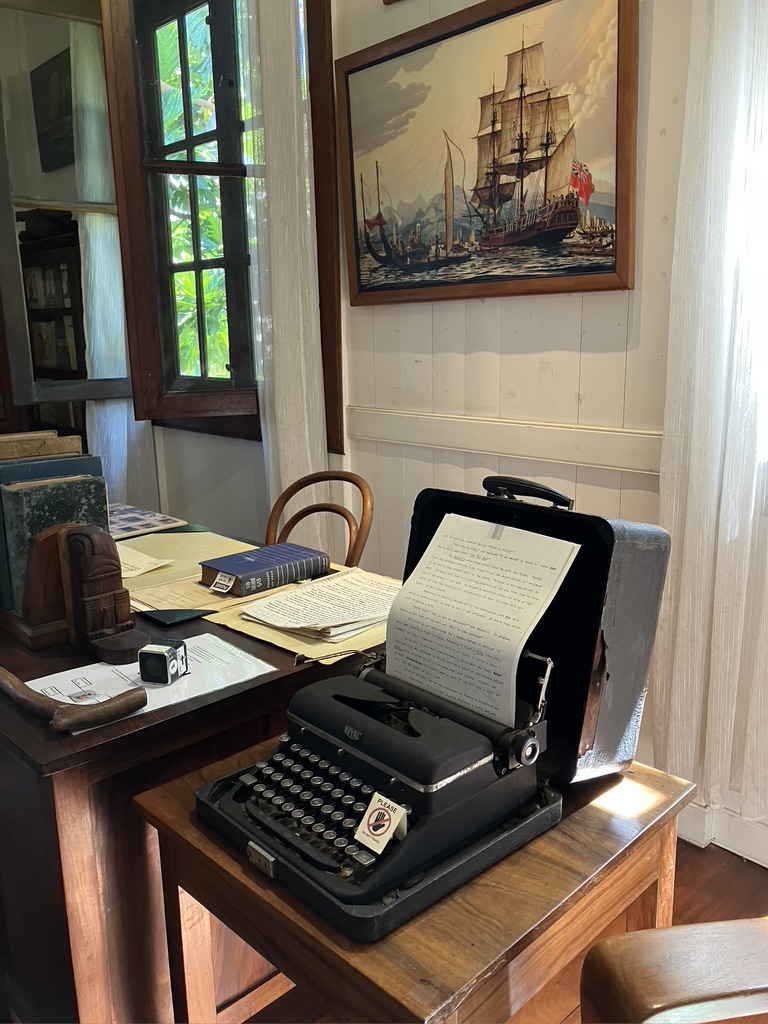
Shortly after sharing farewells with the officers and crew of our cruise ship, we joined a short tour along the north coast of Tahiti east of the capital, Papeete. Our first stop, the historic home of U.S. American author James Norman Hall, his wife and children. He was best known for The Bounty Trilogy, a series of historic novels co-authored with Charles Bernard Nordhoff, including “Mutiny on the Bounty,” “Men Against the Sea,” and “Pitcairn’s Island” based on the maritime journeys in the South Pacific of Lieutenant William Bligh of the Royal Navy—most notably on the HMS Bounty on which he served as Ship’s Captain until cast off by a mutinous crew. Lieutenant Bligh and loyal members of his crew were put to sea in a small boat 30 nautical miles south of the island of Tofua. After escaping increasingly hostile local local tribesmen, they managed to navigate successfully over 2,000 kilometers to Kupang, Indonesia and home—a skillful feat of seamanship and perseverance.
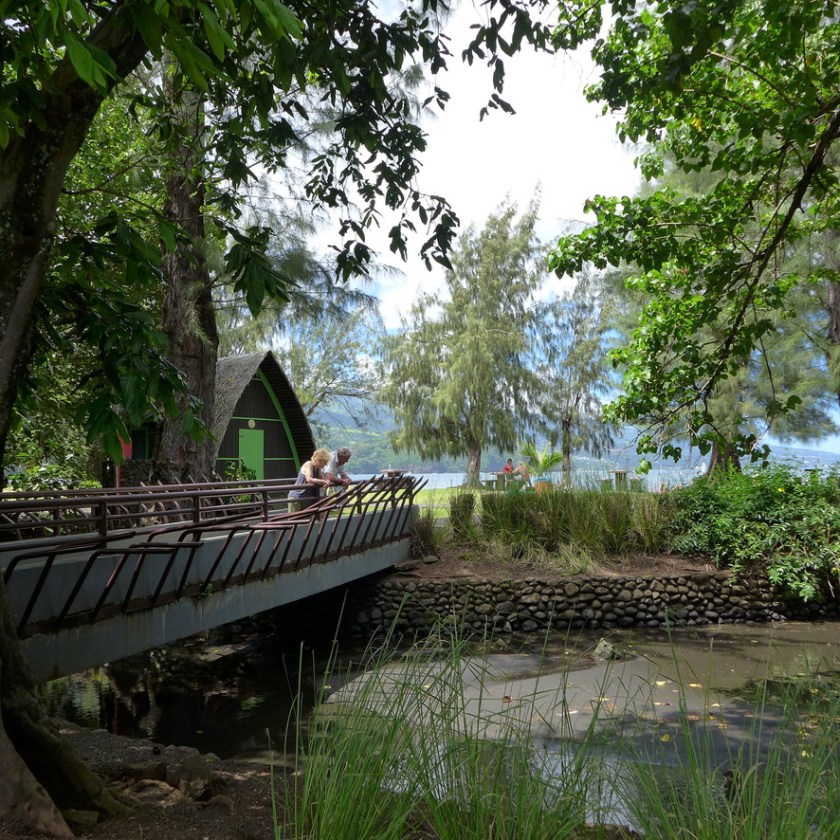
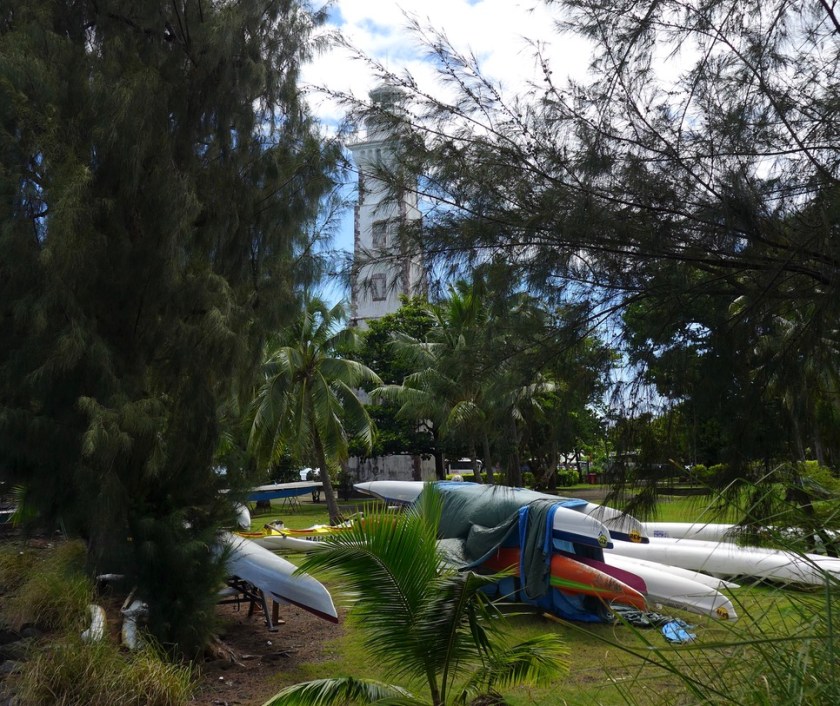
Venus Point, named by Captain James Cook on his last visit to the island, is the site of a grand lighthouse. Cook named the point after the planet because part of his mission was to observe the rare astronomical phenomena that took place in 1769 known as a “transit of Venus.” In a transit, the planet passes between the Earth and the Sun, appearing as a black dot moving across the face of the Sun.
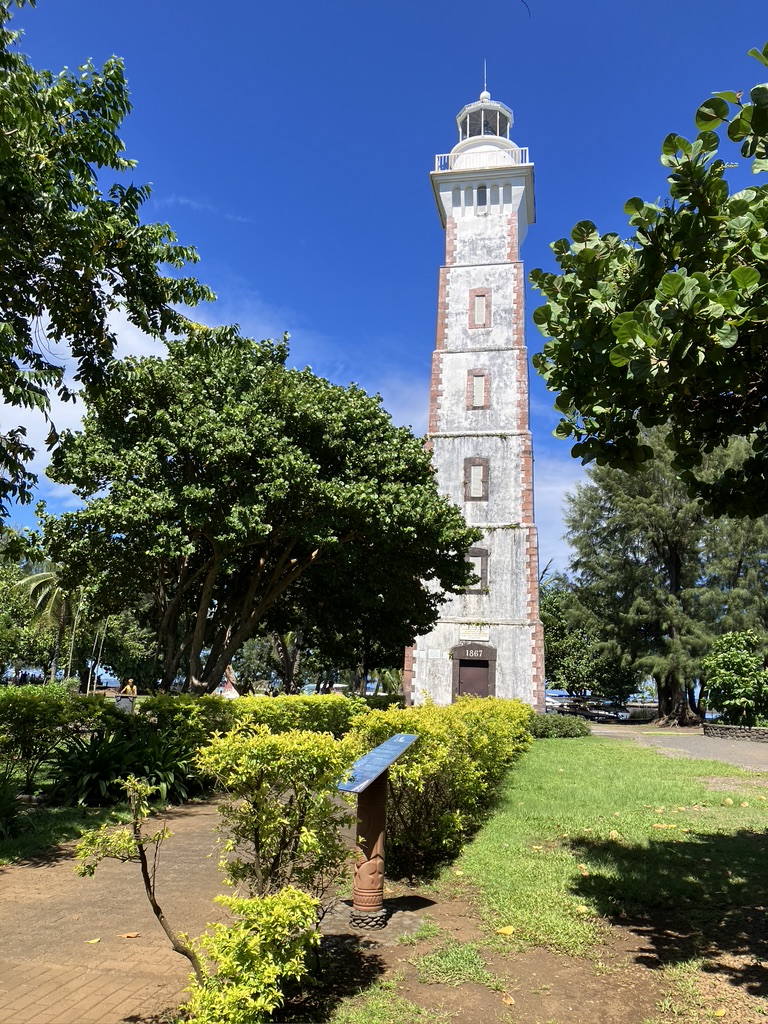
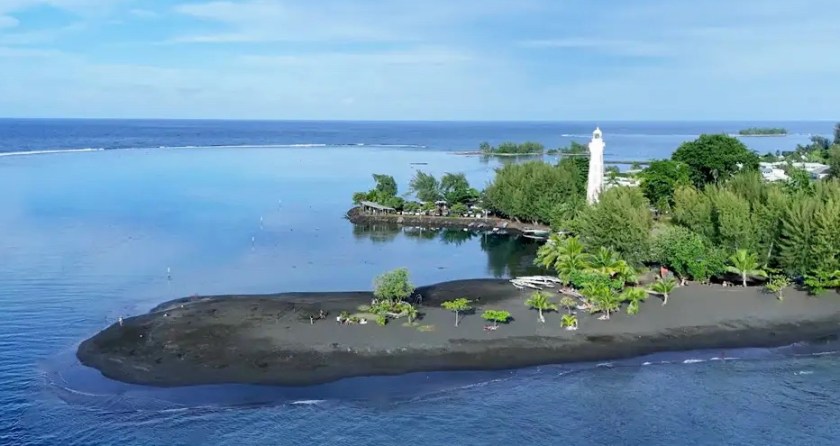
(Photo courtesy of https://wanderinparadise.com/attractions/tahiti/point-venus/)
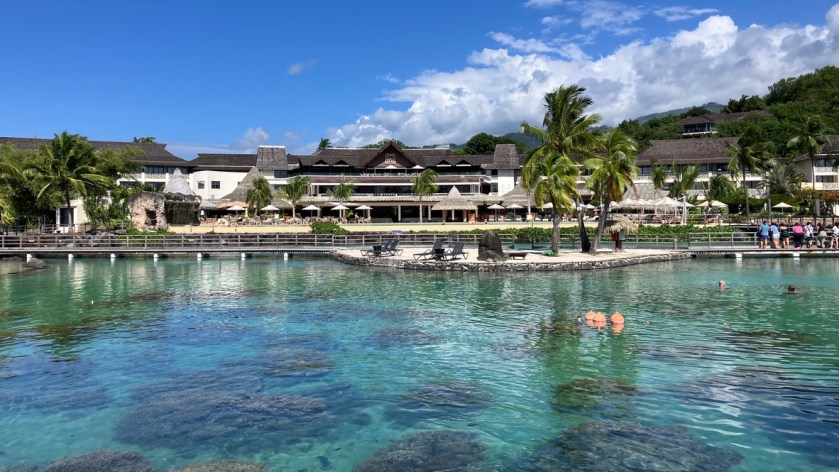
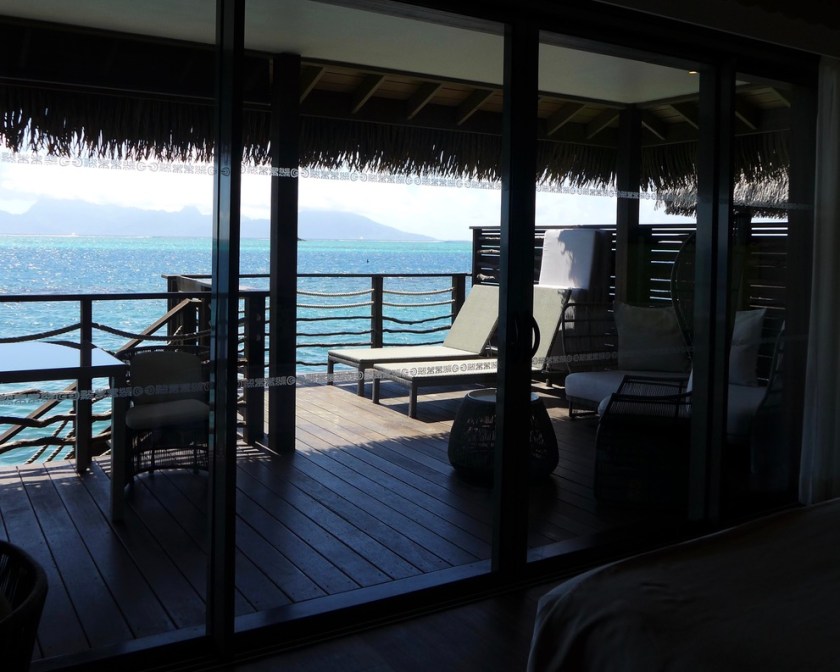
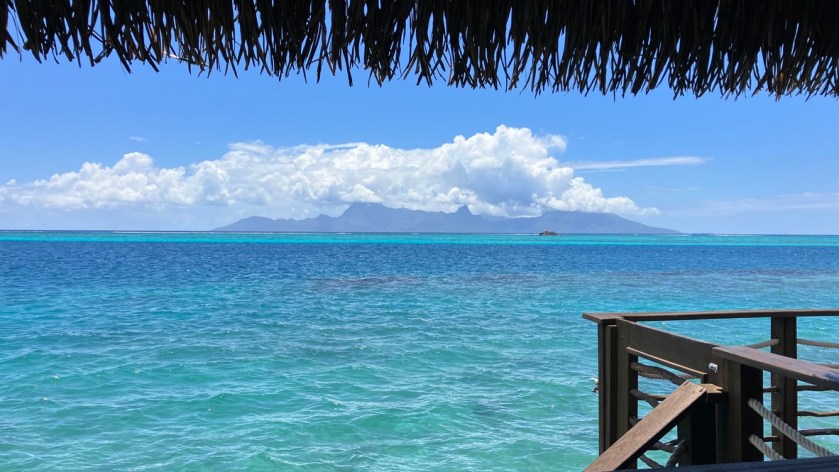
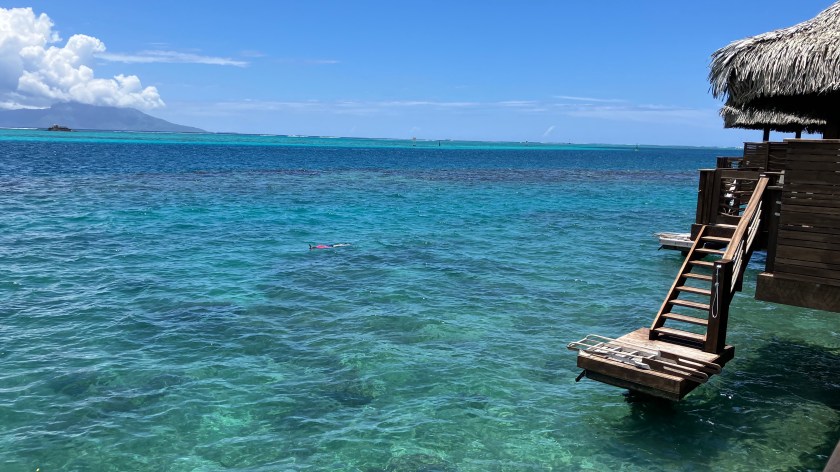
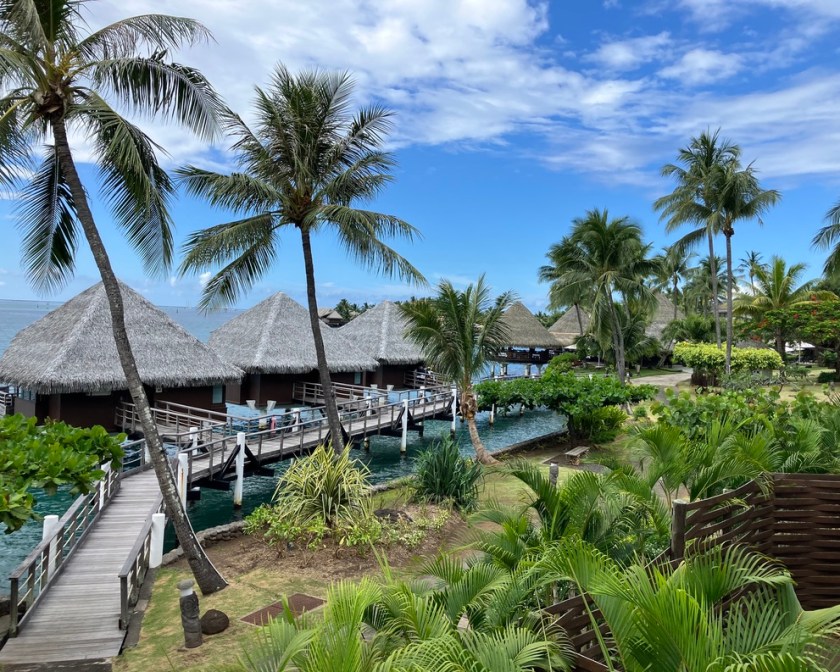
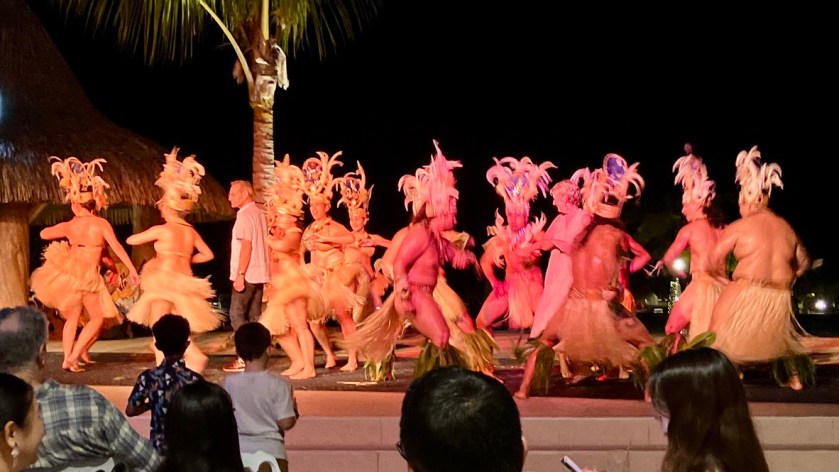
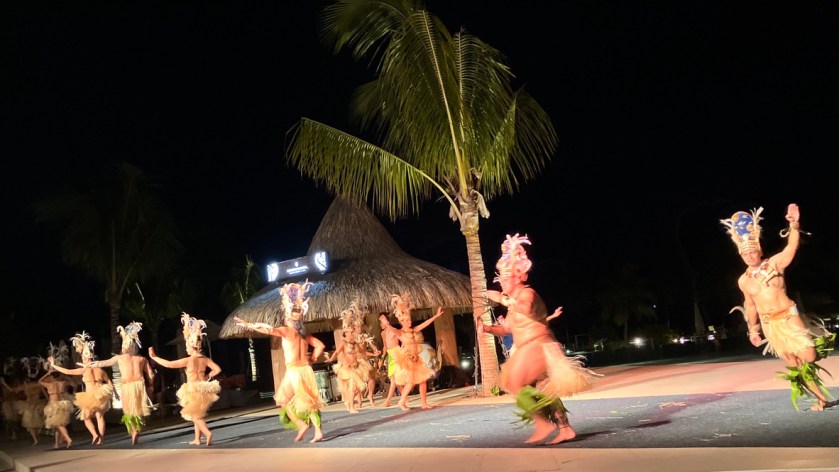
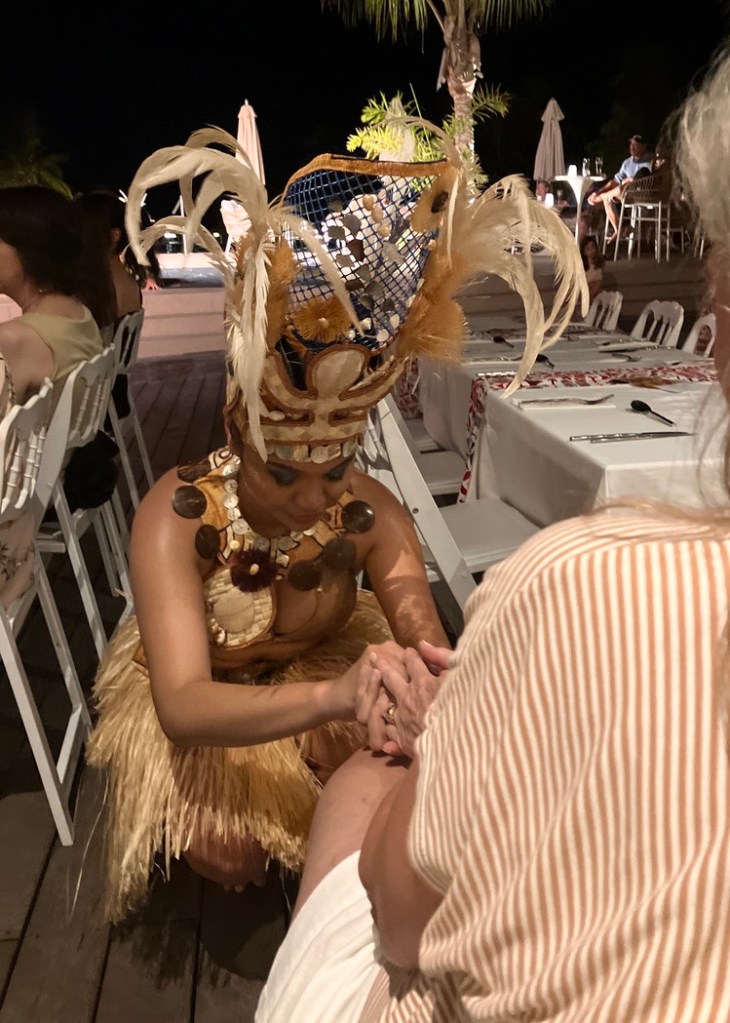
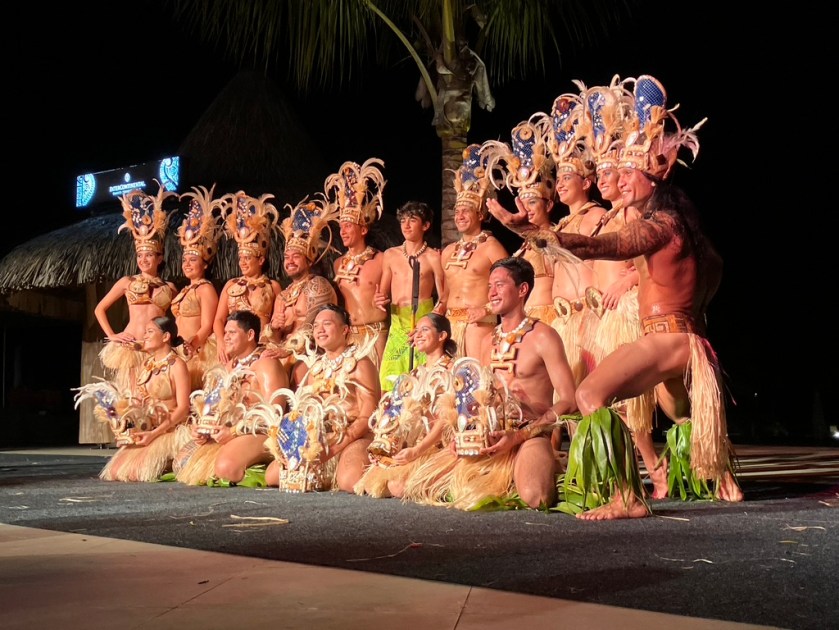
That evening, our last on the island, we had dinner with our friends and travel companions at the hotel’s main indoor/outdoor restaurant. They had a special event arranged for us that evening—a local dance troupe.
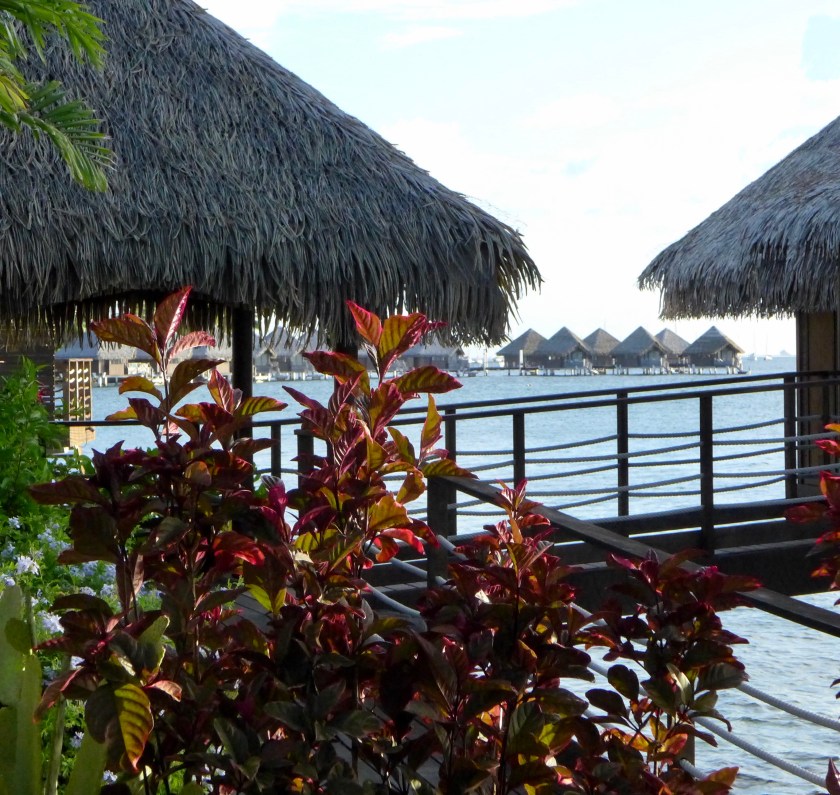
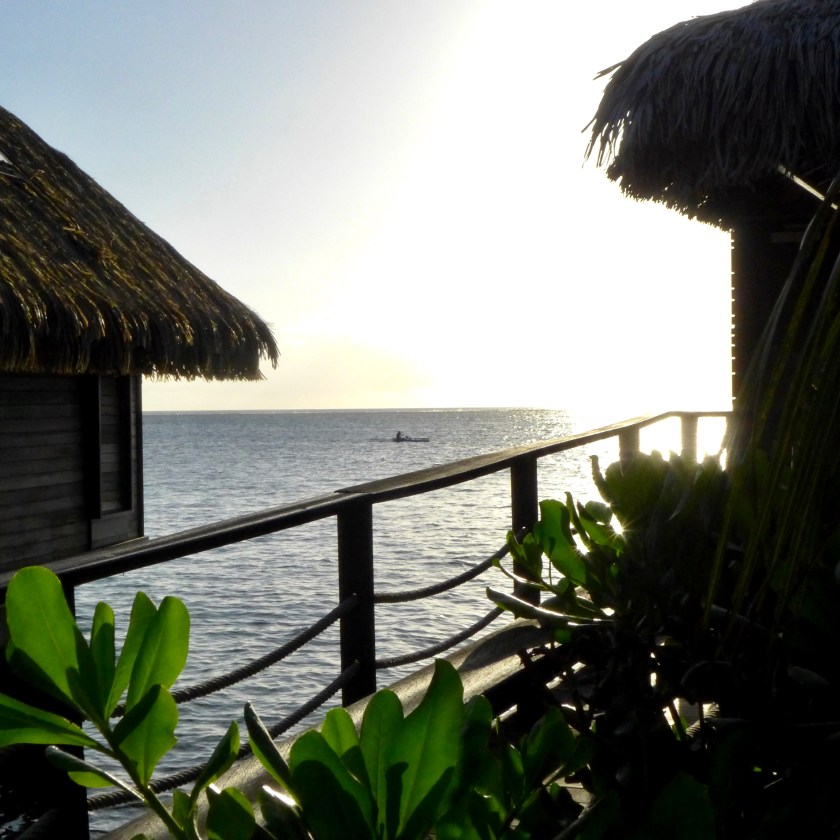
The next morning, as kayakers paddled by, we gathered our luggage and left our overwater lodging for an expansive buffet breakfast at the hotel restaurant.
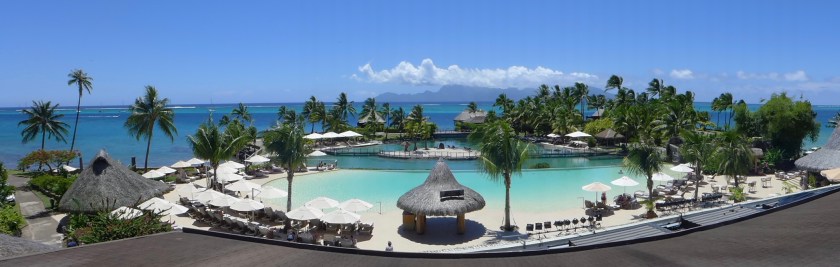
We checked our luggage at the porter station and returned to the pools and lagoon for the last few hours of relaxing in the sun before heading to the airport.
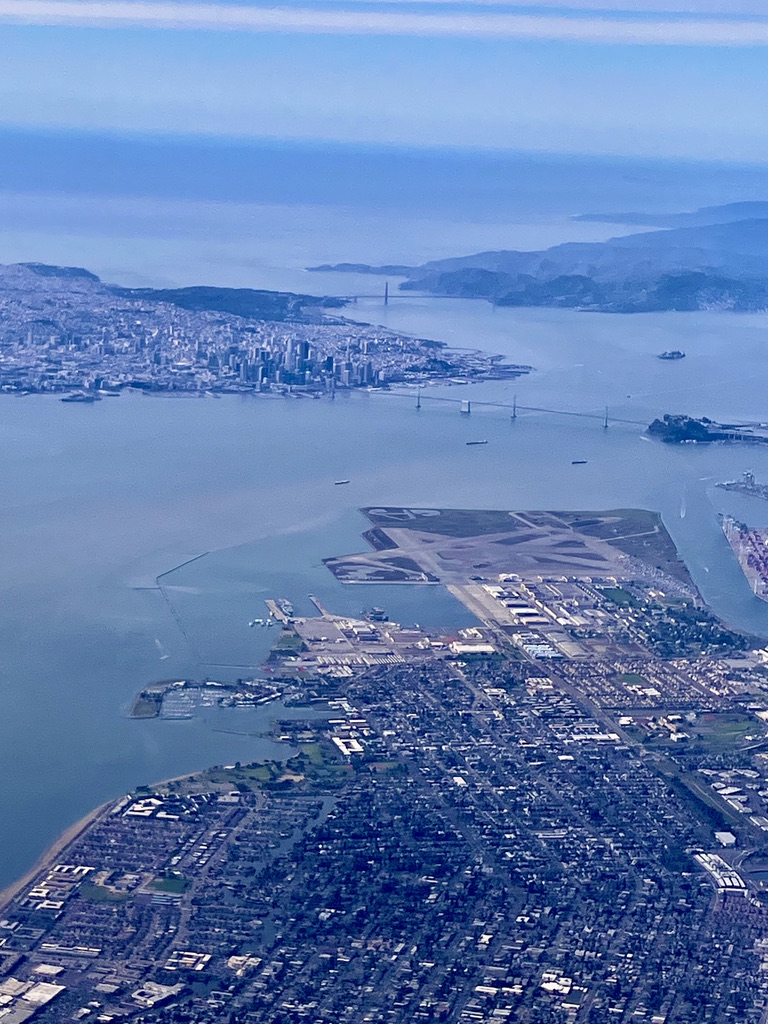
Finally, the time came for the short ride to the airport and our flights home via San Francisco, California. It was a long flight with a very long layover. We went through U.S. Customs without much ado. A few hours later we descended over the Rocky Mountains into Denver where we collected our bags for the ride home.
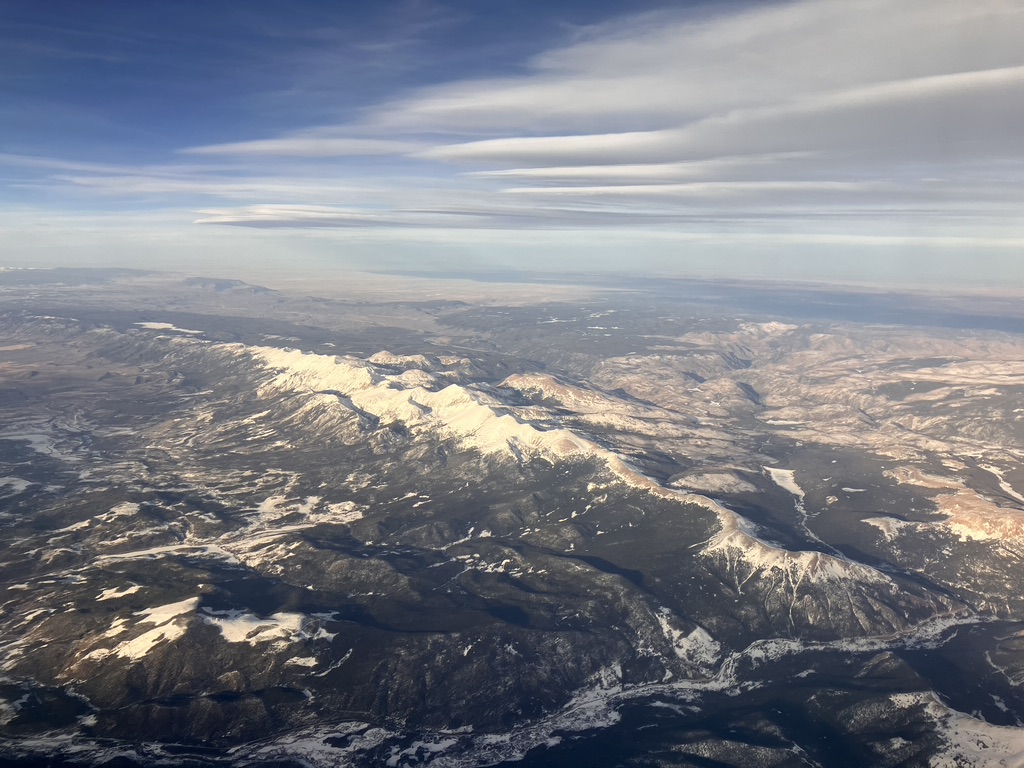
It seems no matter how wonderful the trip and no matter how much we look forward to the next one, it’s always good to be home, having arrived safe and sound.

