Cusco—Capital of the Inca Empire
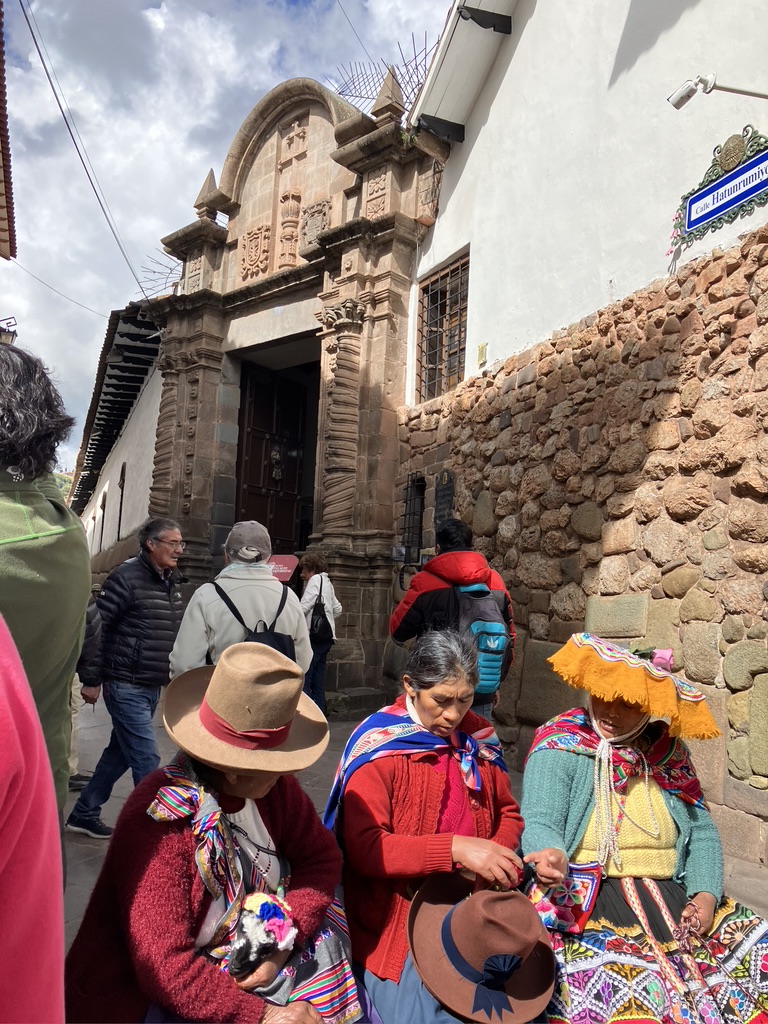
Despite the fact that Cusco was the capital of the Inca Empire, it can be hard to tell because of the overwhelming Spanish influence prominently on display. But, pay attention, look a little closer as you walk the streets and alleyways. You will see the older, underlying Inca and pre-Inca foundations all around.
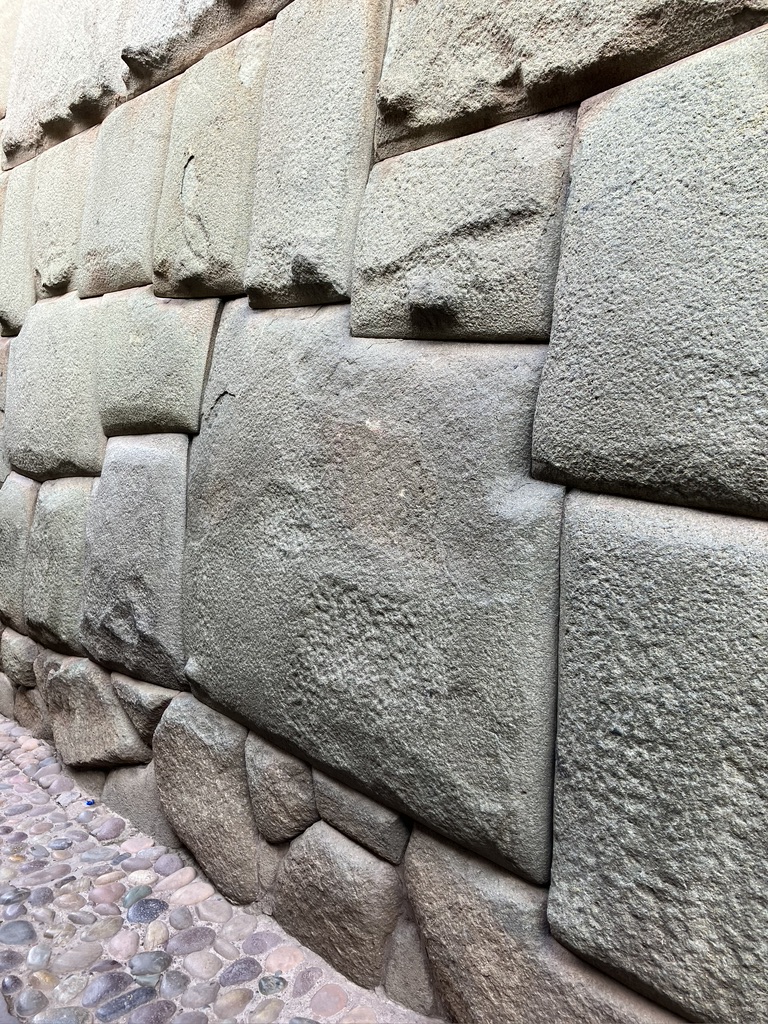
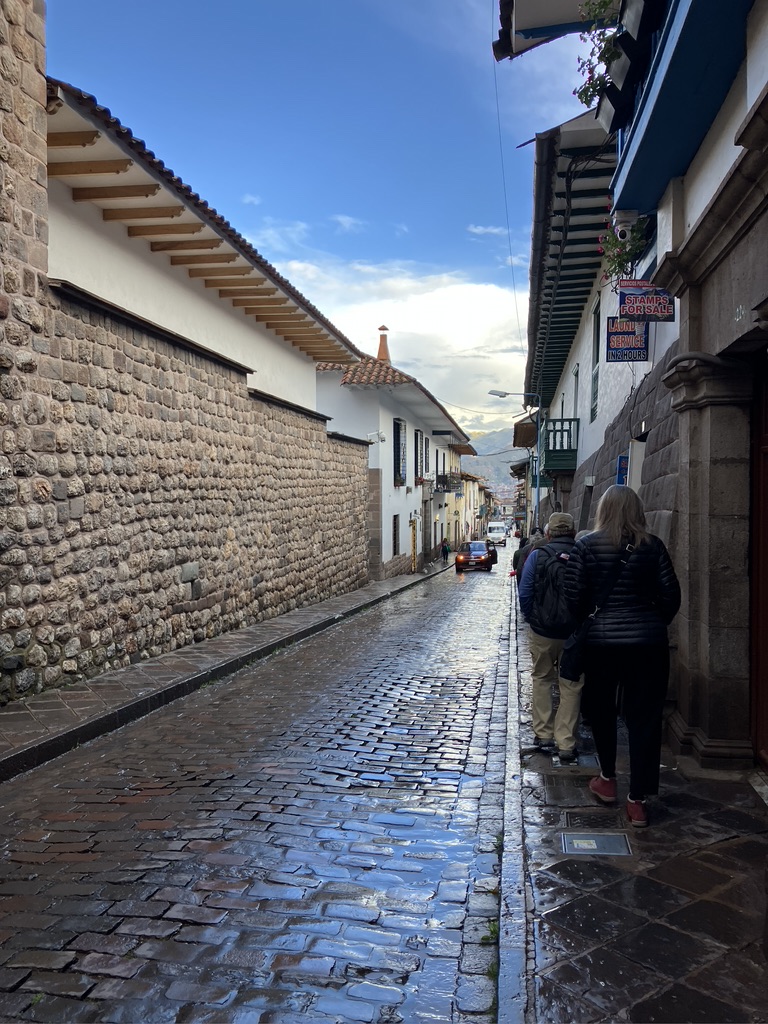
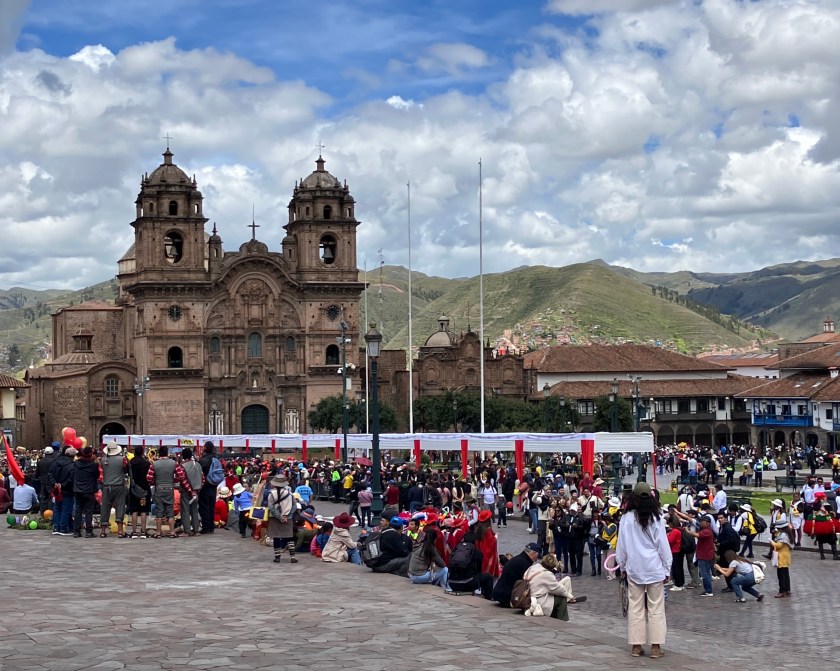
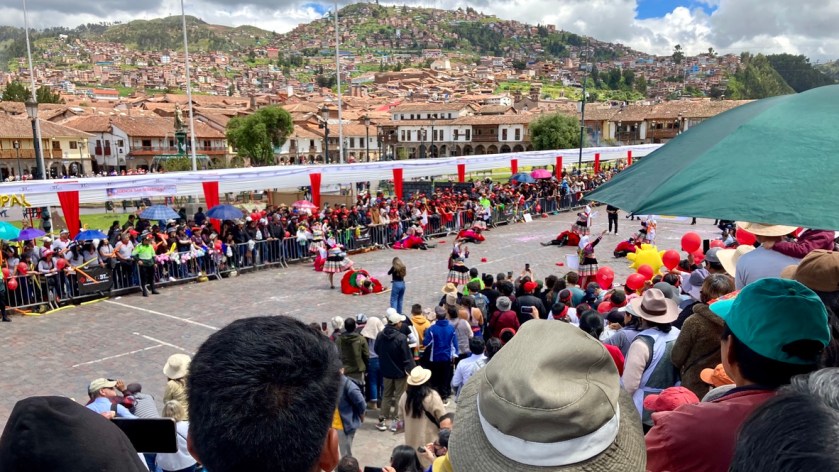
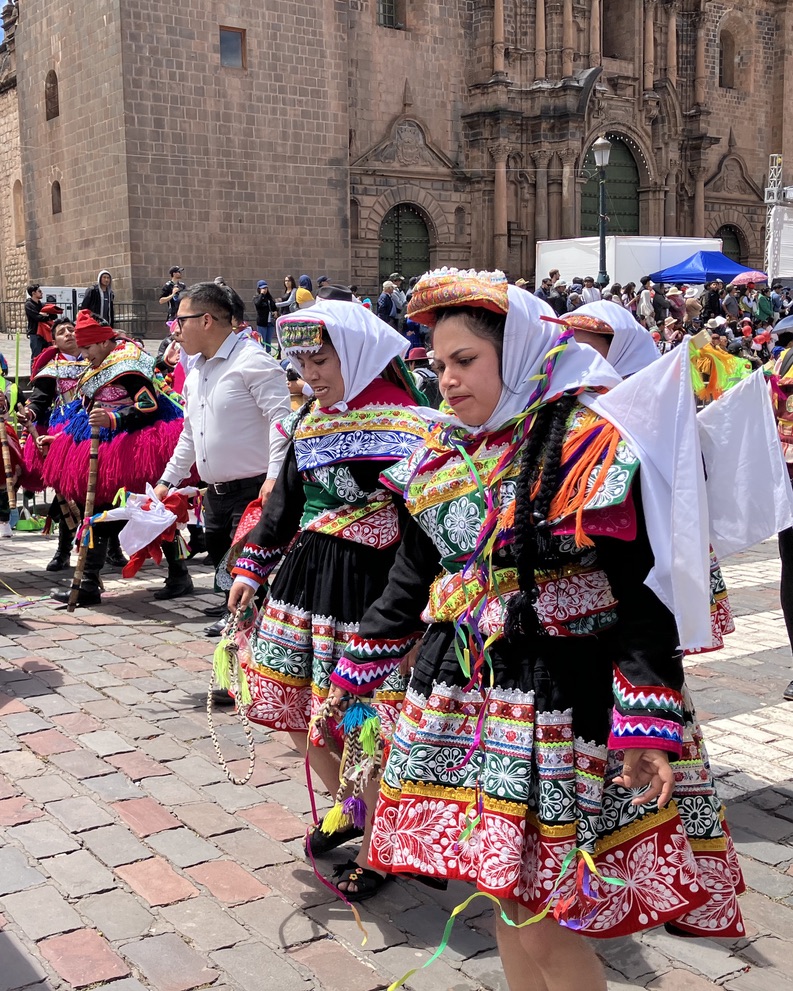
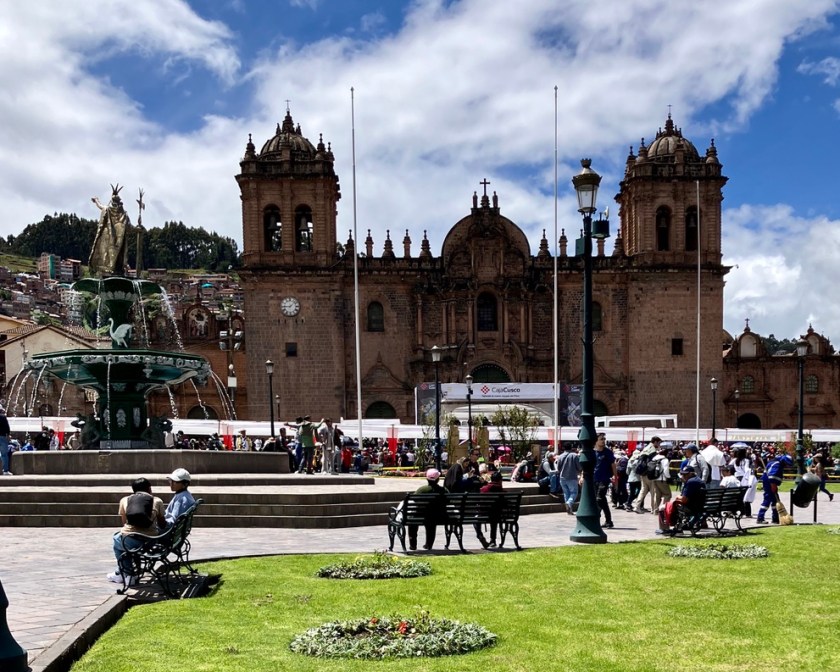
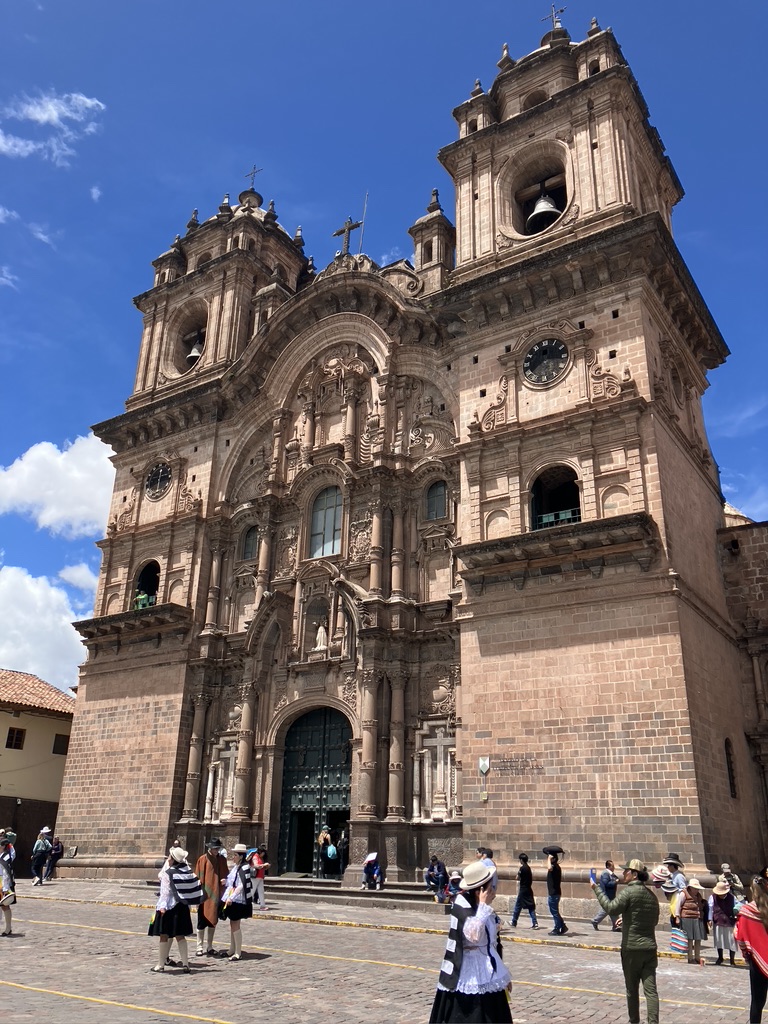
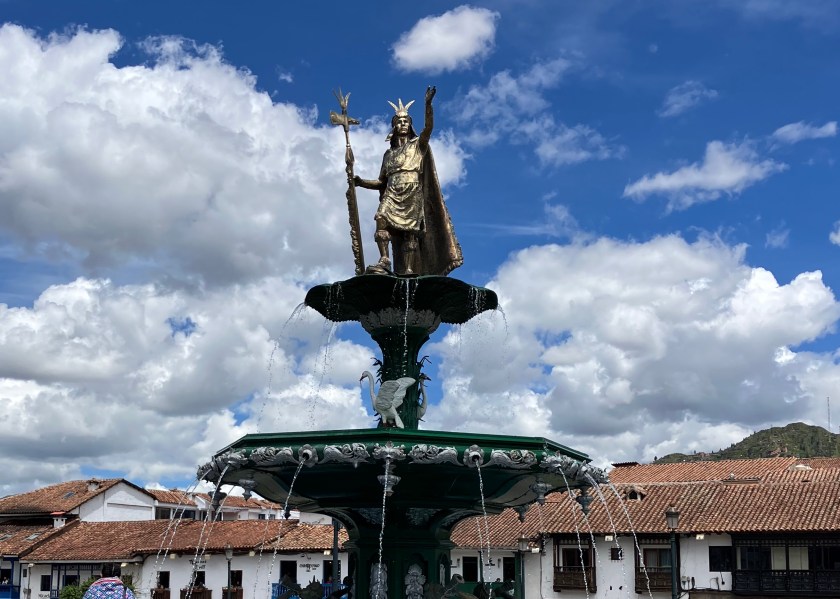
Walking on from the Plaza de Armas along the side of Iglesia de la Campania de Jesus, we pass by an archaeological site enclosed by walls and glass—Kusicancha, Quechua for “happy enclosure.” This is understood to be the birthplace and childhood home of Pachacuti Inca Yupanqui, the ninth Sapa Inca (emperor). He is credited with building the Chiefdom of Cusco into what is now known as the Inca Empire through conquest, cultural integration, and development.
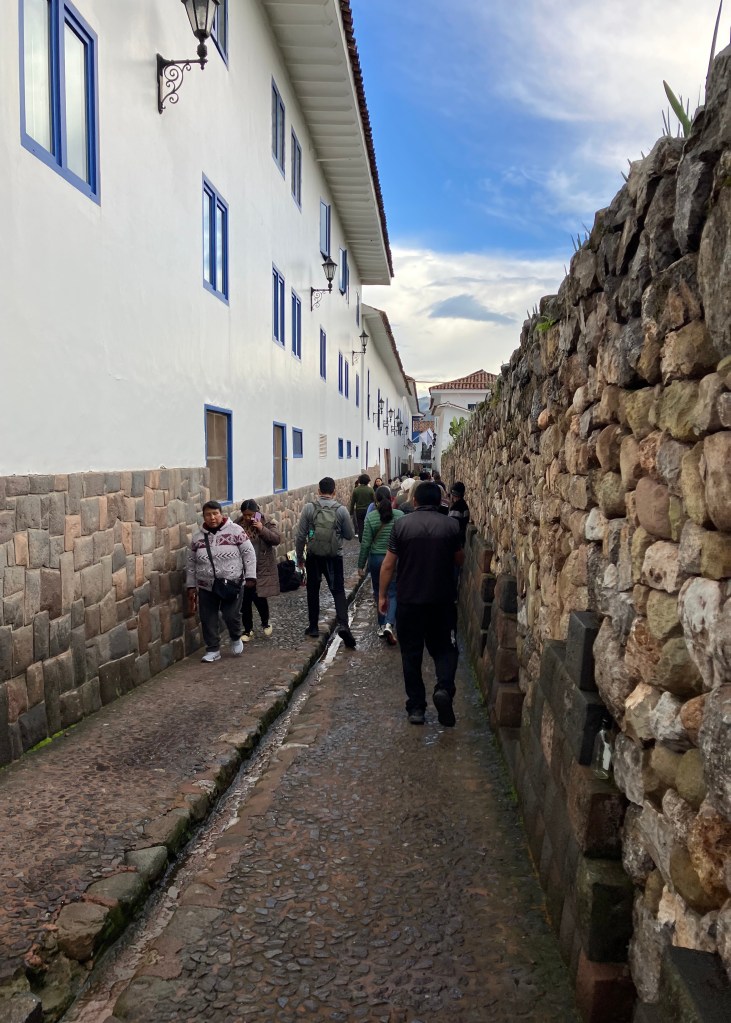
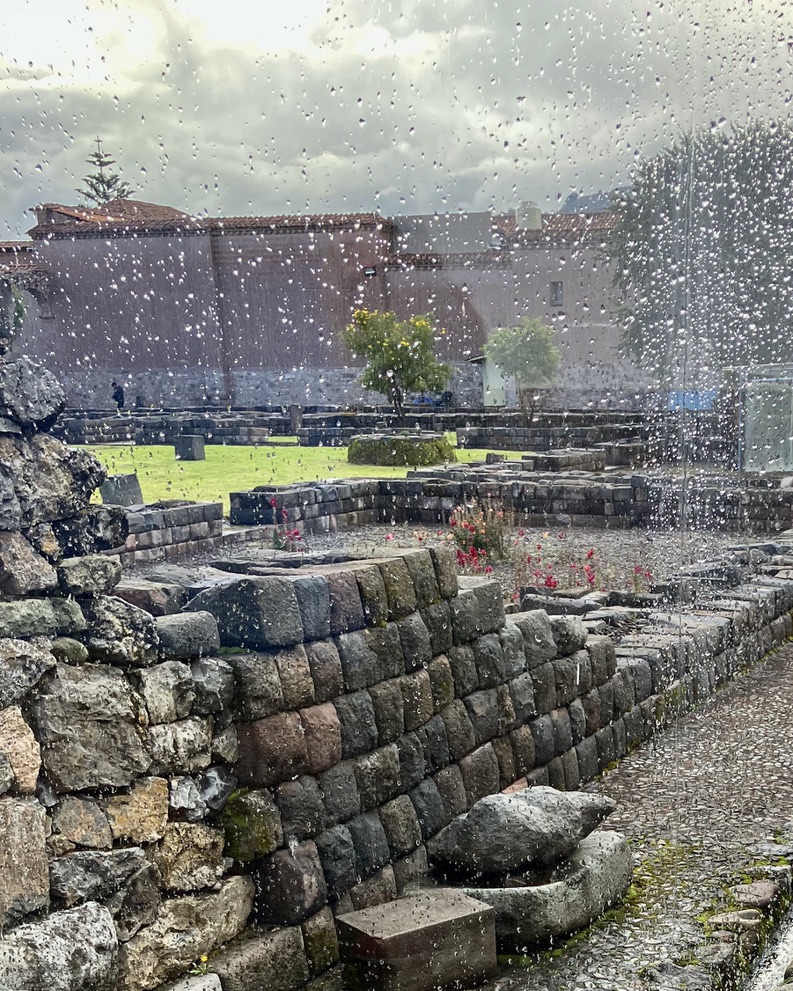
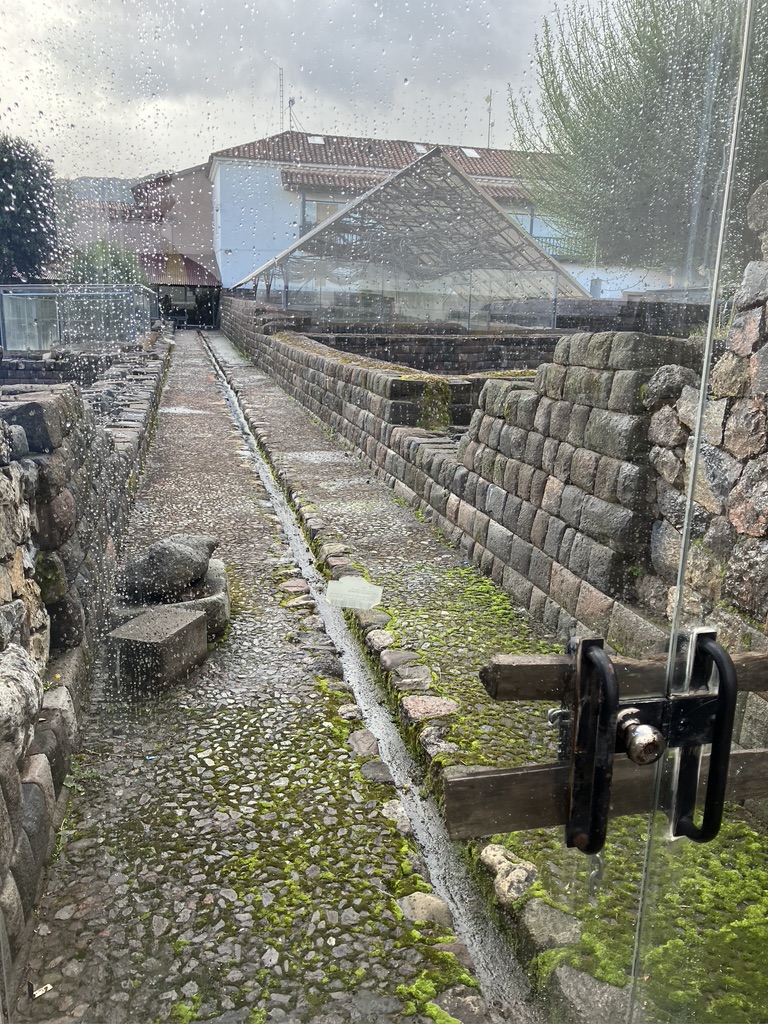
Courtyards like these were once surrounded by the palaces and homes of Inca nobility prior to Spanish colonization. These courtyards were built in a grid layout called “Canchas” in Quechua. The homes and courtyards of Kusicancha are now part of the “Dirección Desconcentrada de Cultura de Cusco” at 340 Maruri Street in downtown Cusco which seeks to preserve pre-colonial Inca culture and history.
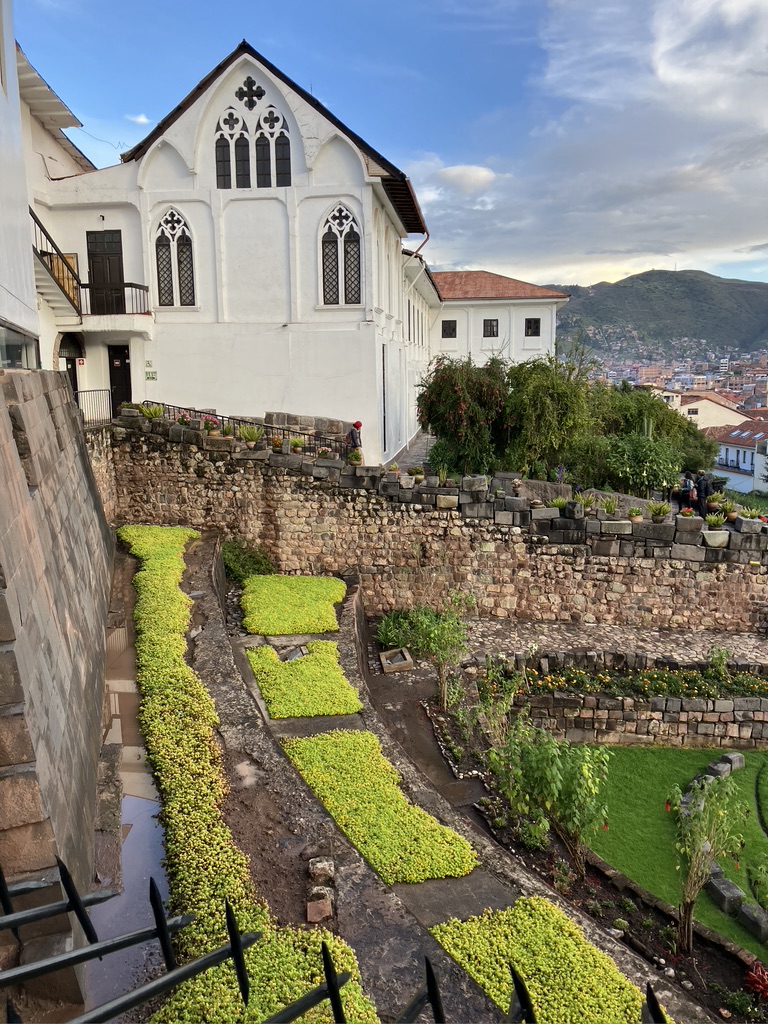
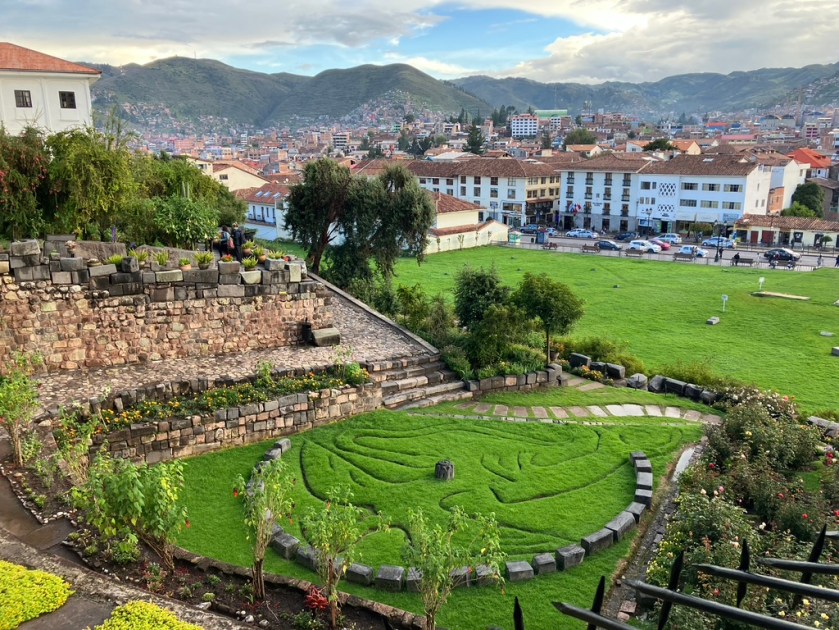
Soon we arrived at Quri Kancha, or Coricancha, the “golden temple.” The main entrance is marked by the church and convent built on the original site of the Coricancha with stones and other bulding materials taken from the sacred Inca temple.
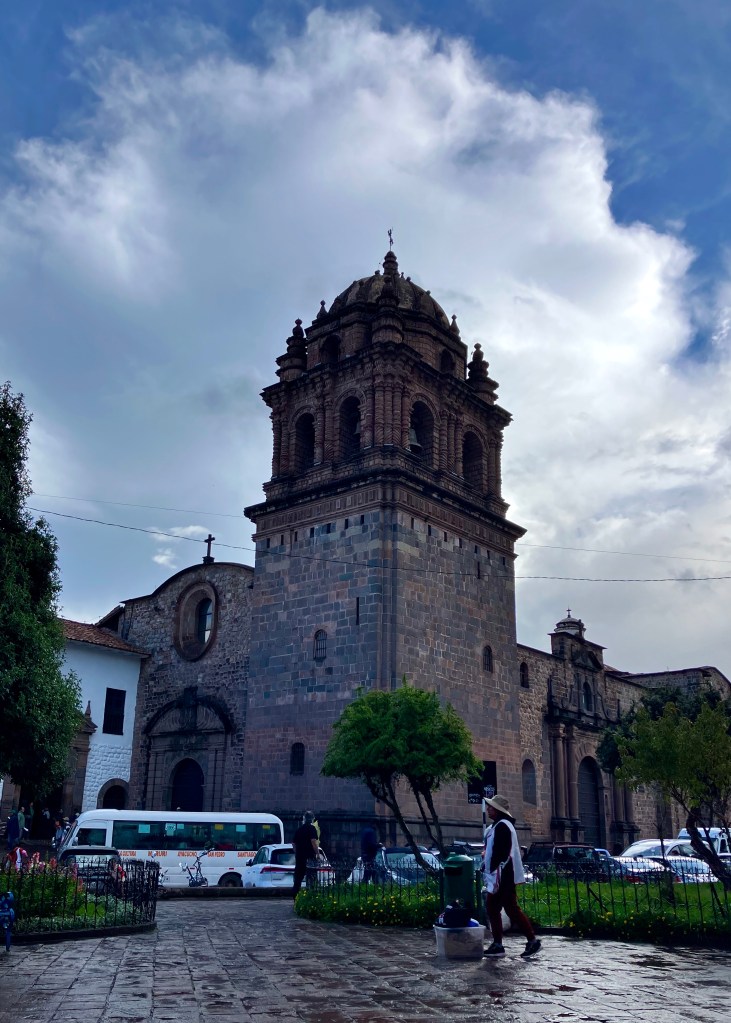
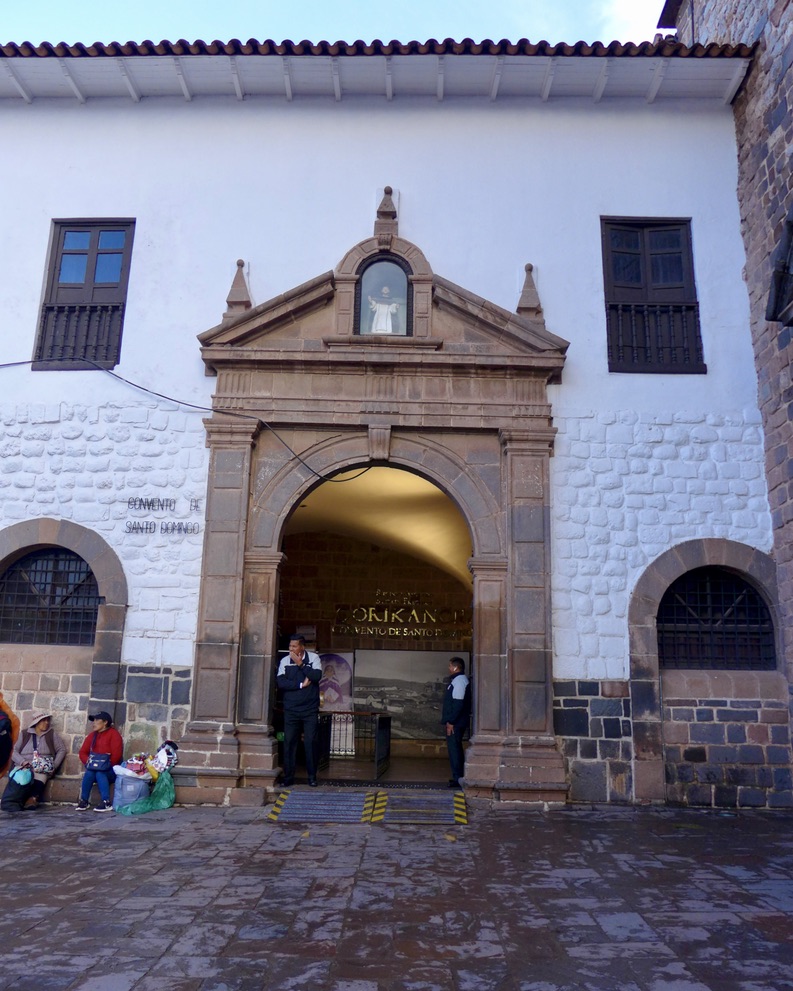
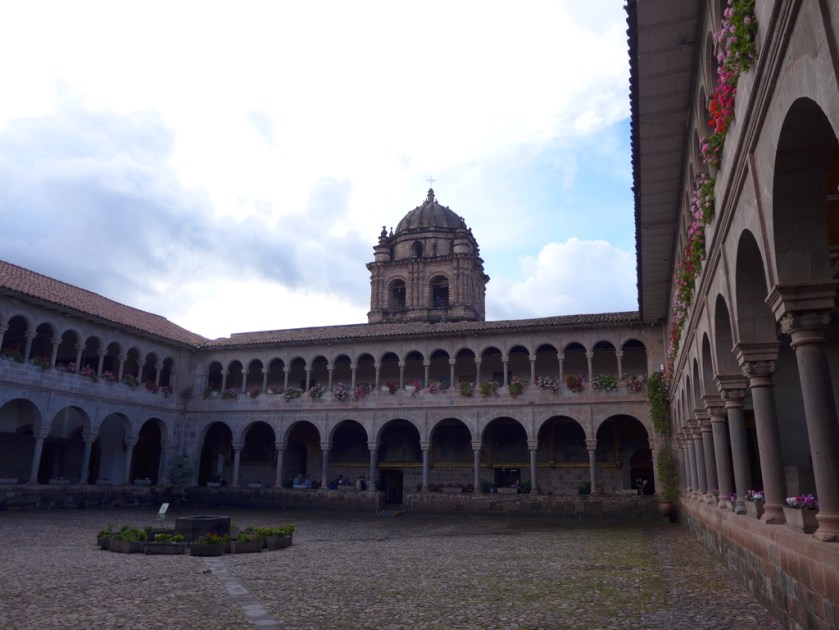
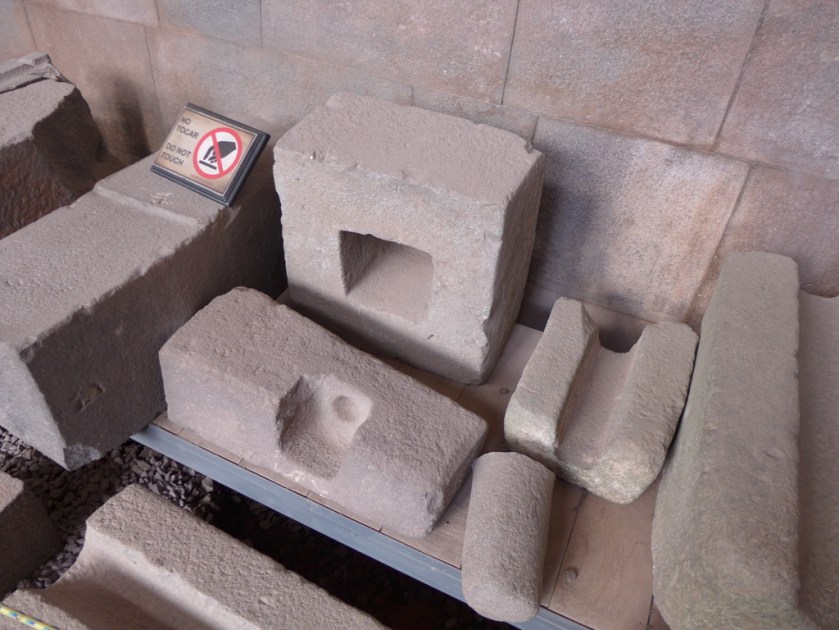
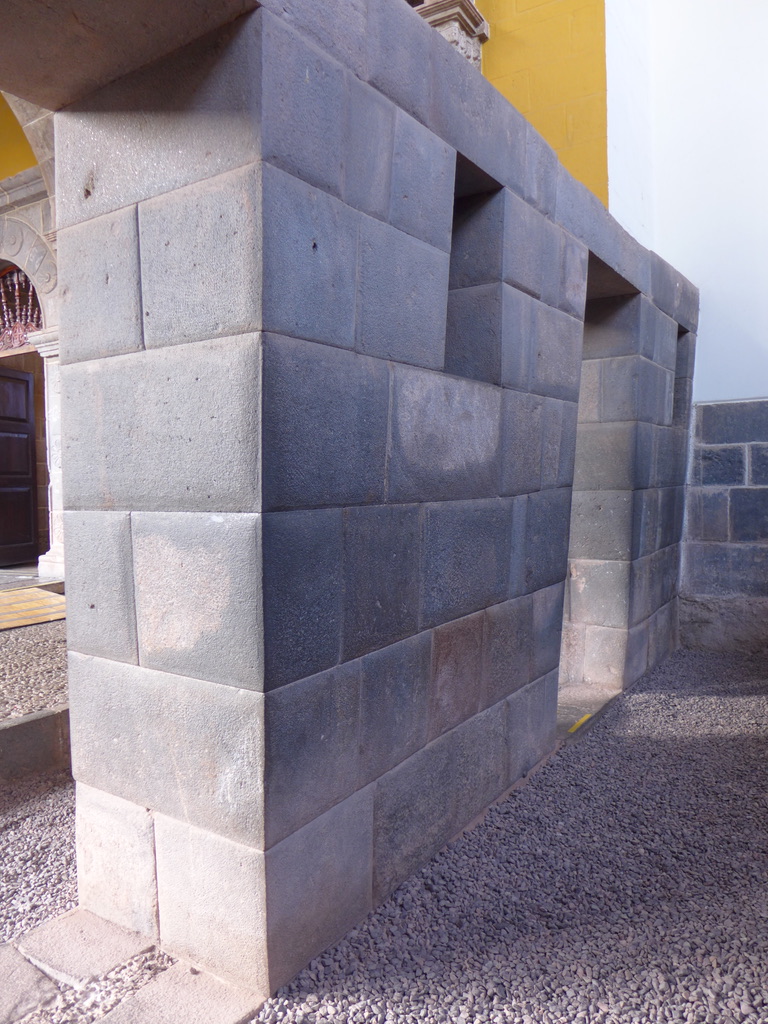
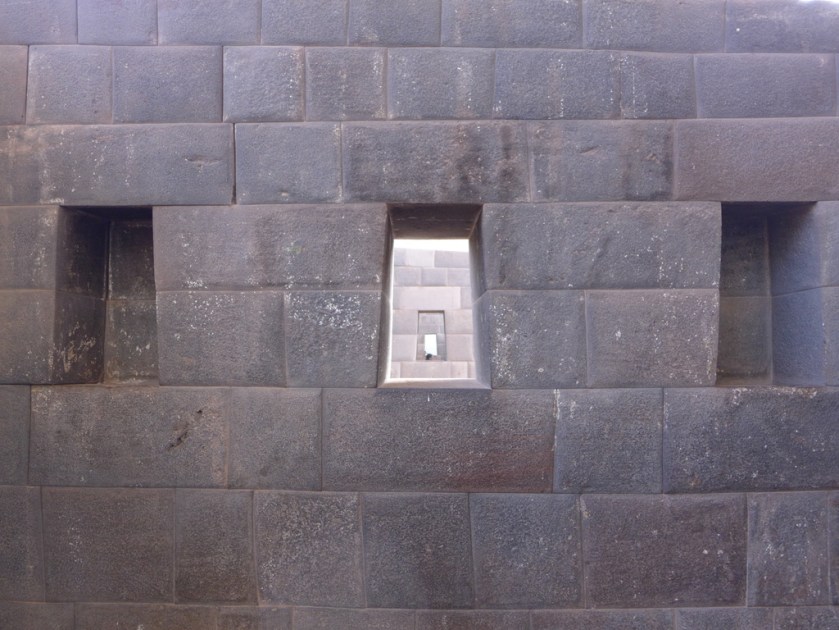
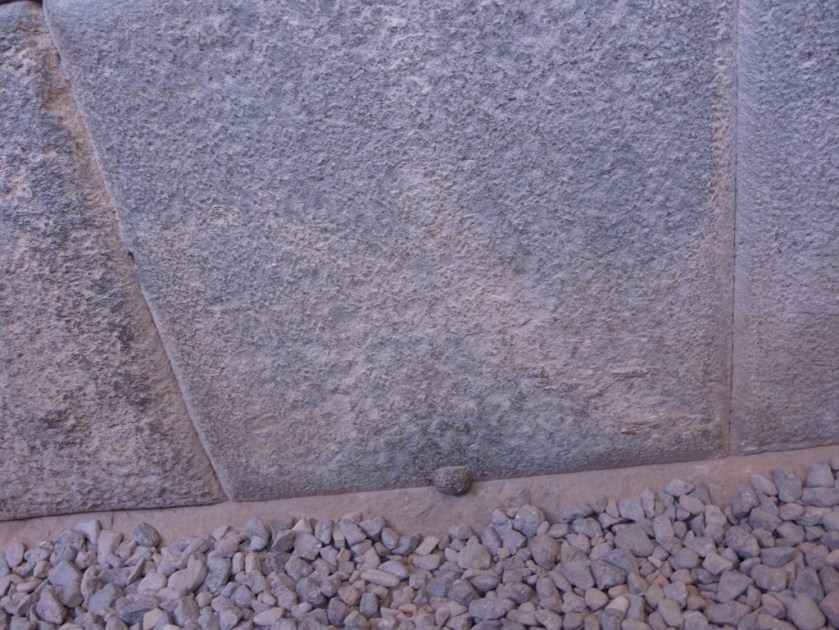
Then, there are the gardens of the church and convent that came later.
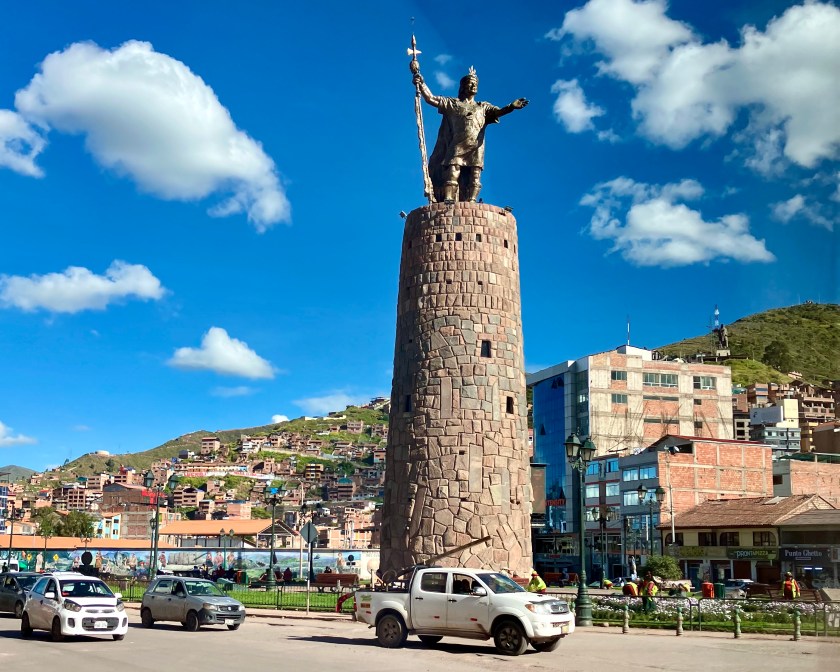
The drive via motorcoach from the hotel in the San Blas neighborhood to the airport on the southwest side of town through morning traffic was full of local sights and sounds punctuated by a farewell from Inca Pachacutec high on a tower platform pointing us in the right direction.
NEXT: Onto Arequipa
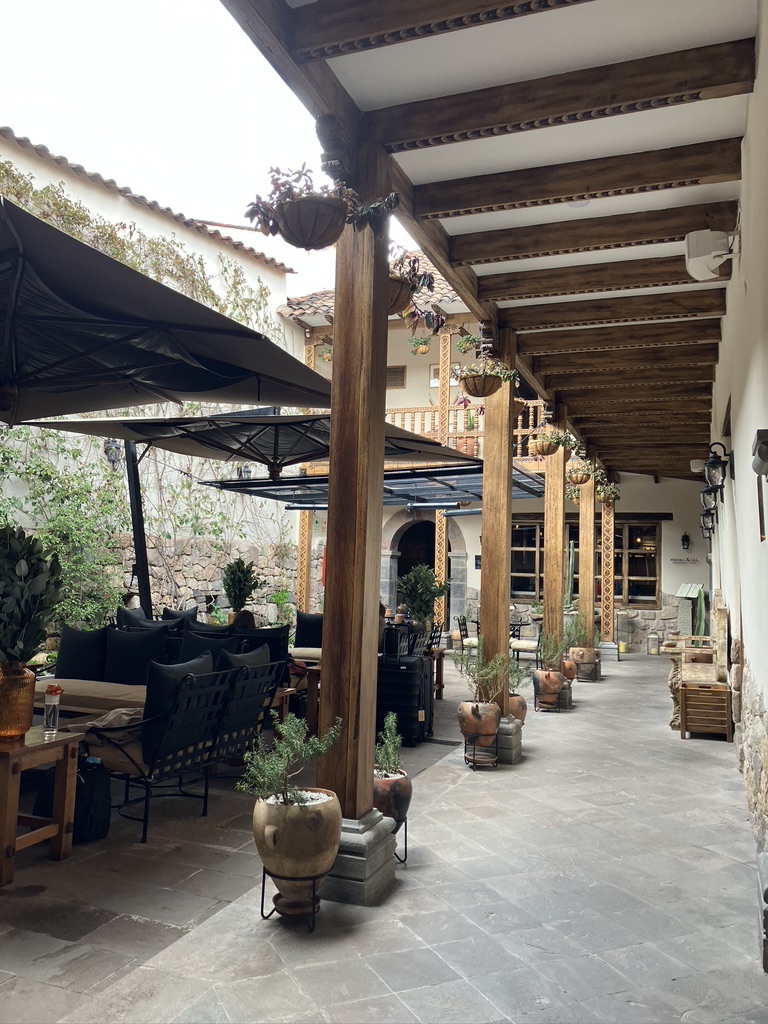
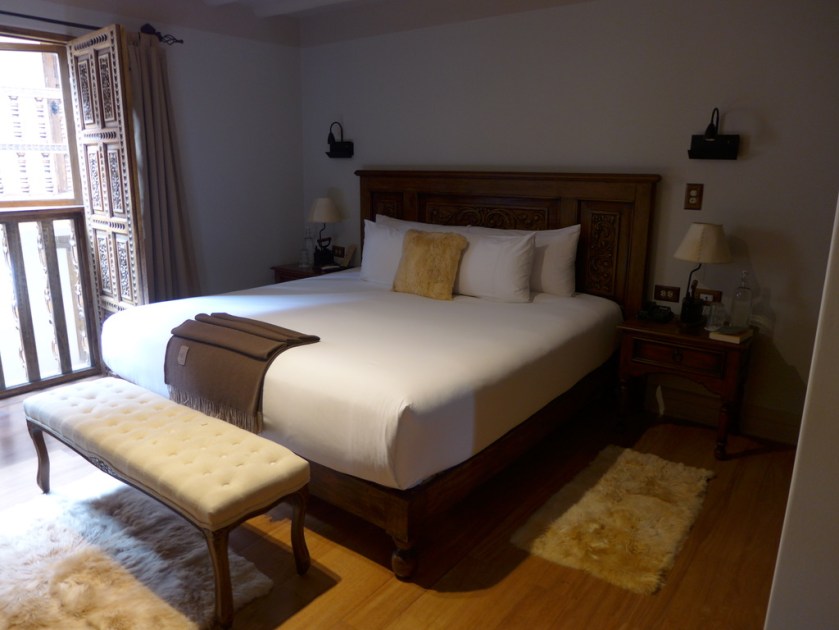
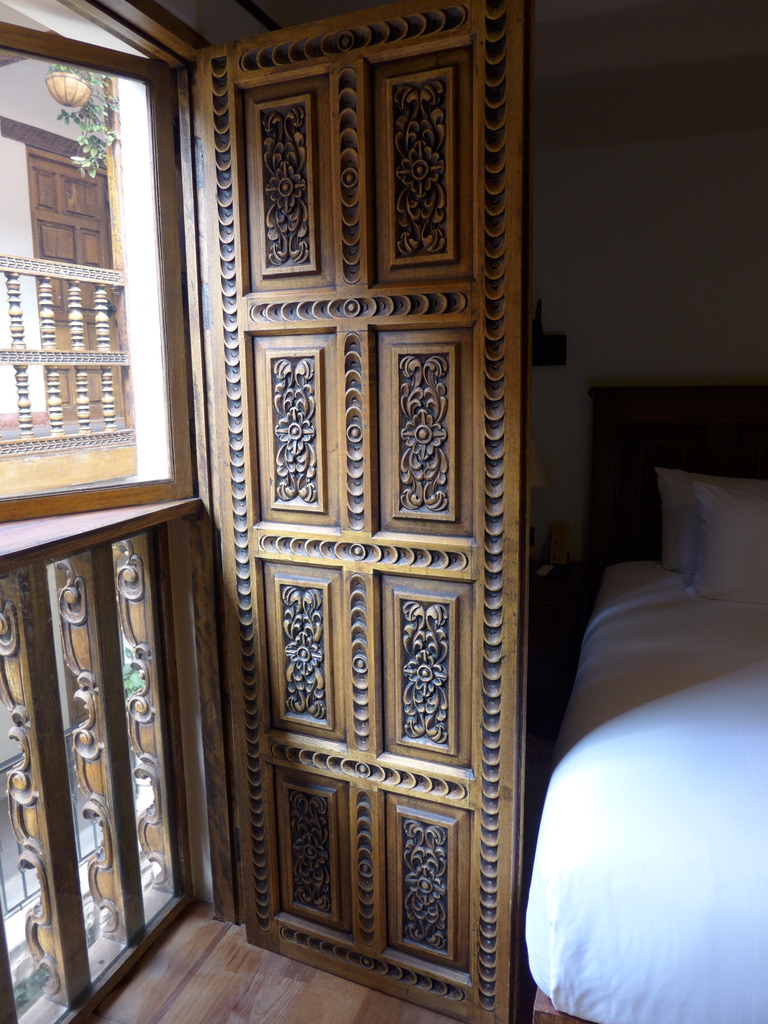
Post Script—Our hotel in the San Blas neighborhood of central Cusco
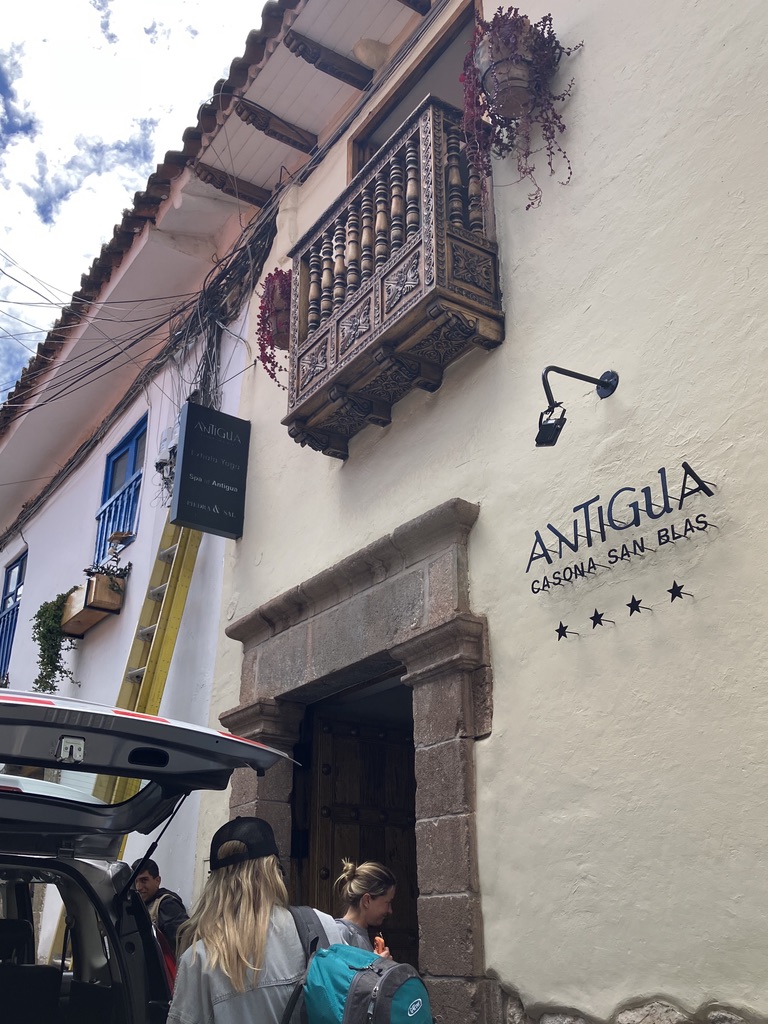
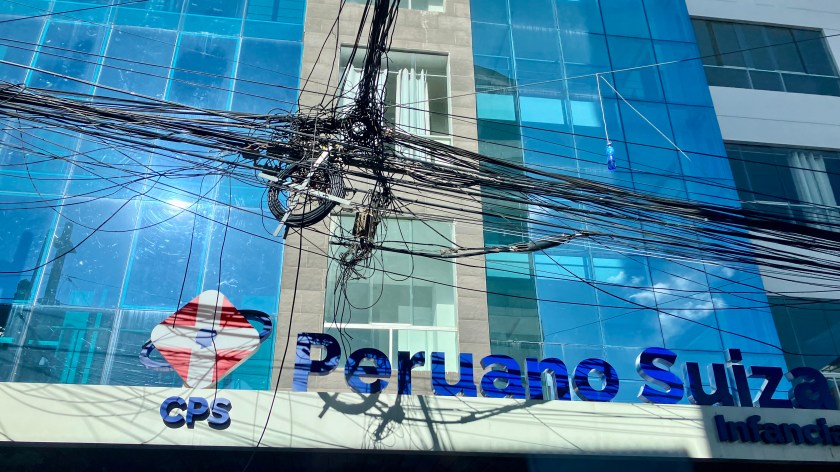
(Note the jumble of cables above the balcony and the ladder—I told you they were everywhere!)
NEXT: Onto Arequipa

