This past week we resumed an annual tradition we paused due to our move to the East Coast of the United States a number of years ago. When we last lived in Colorado, we made at least one, sometimes more, trips to Santa Fe, New Mexico to attend performances at the Santa Fe Opera, the Indian or Spanish Markets, to hike a trail through “Georgia O’Keefe country,” and to savor the unique, fabulous New Mexican cuisine.
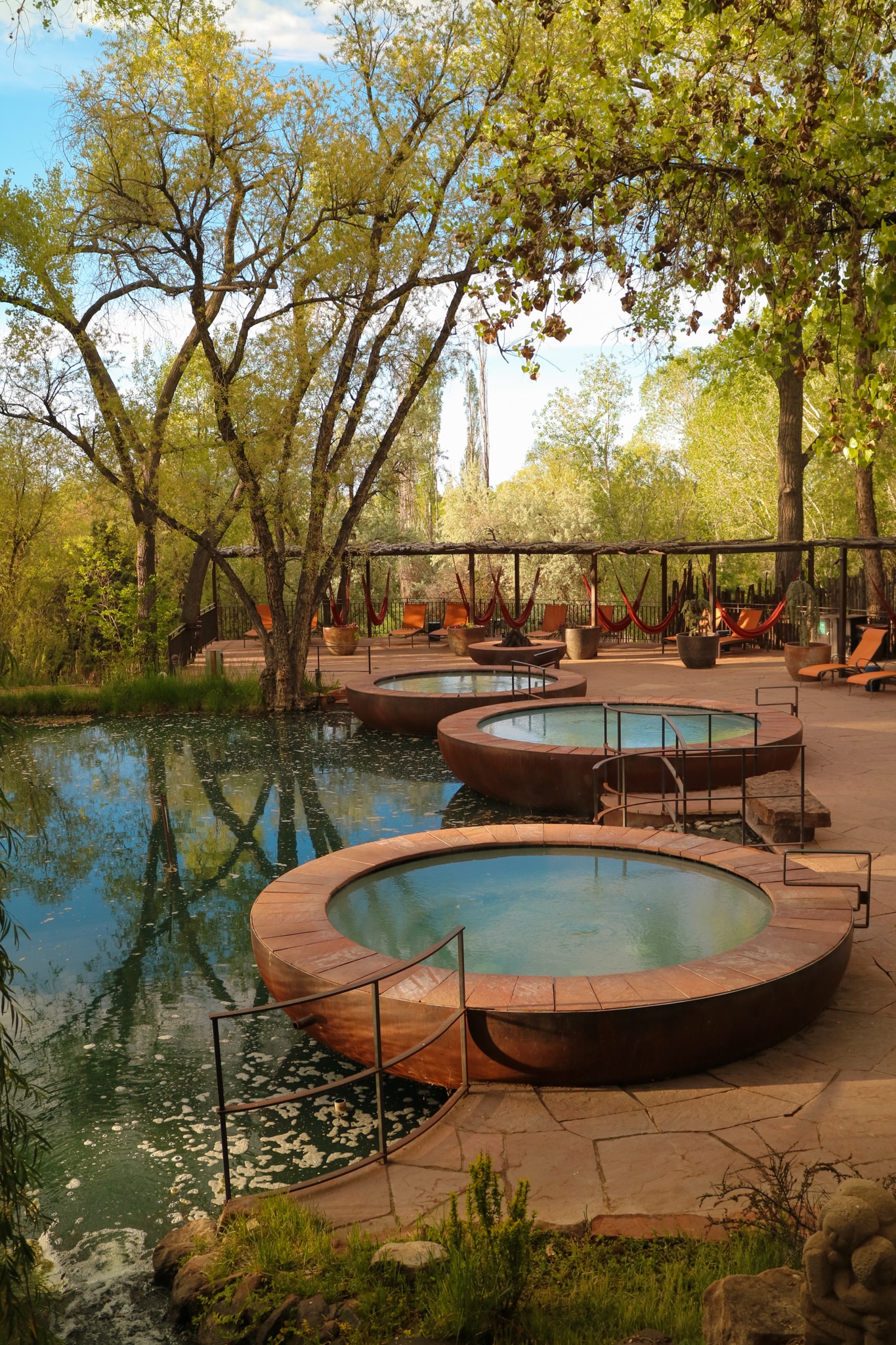
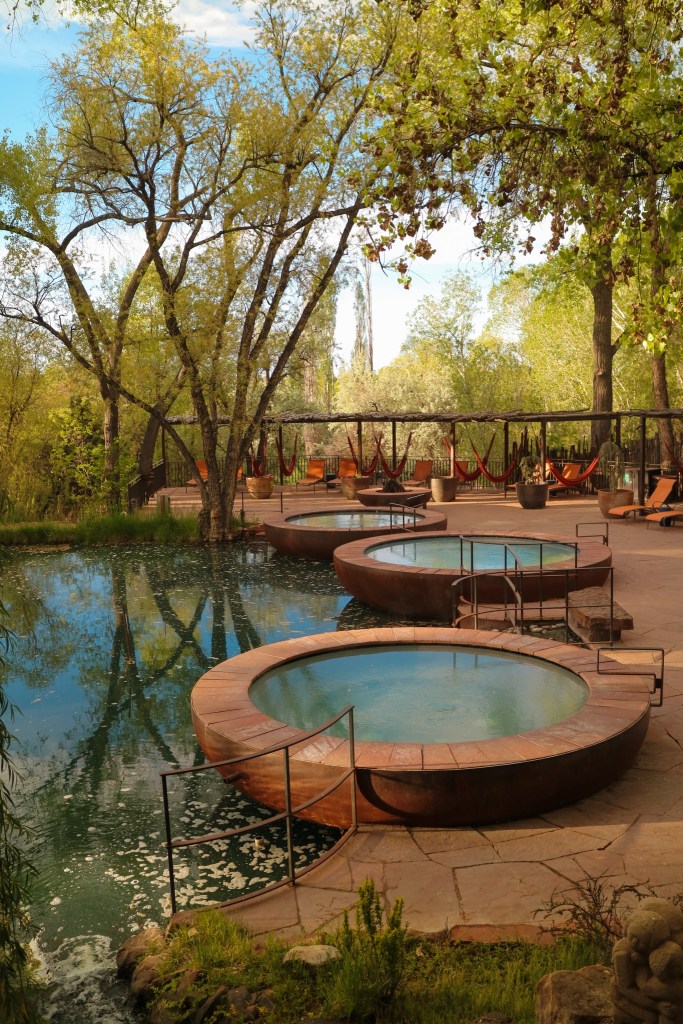
This time, we choose to stay at the lodge at Ojo Santa Fé. We had planned to start the trip at Ojo Caliente, north of Sante Fé and Española, but when we learned that the same organization now had a site on the outskirts of Santa Fé, it met our needs with an added measure of convenience. It turned out to be an excellent choice. While Ojo Caliente is the quintessential New Mexican natural hot springs resort, Ojo Santa Fé offers proximity to the historic State Capital in the form of a tranquil refuge, fine dining, hot spring pools, hiking trails, and a salt water swimming pool.
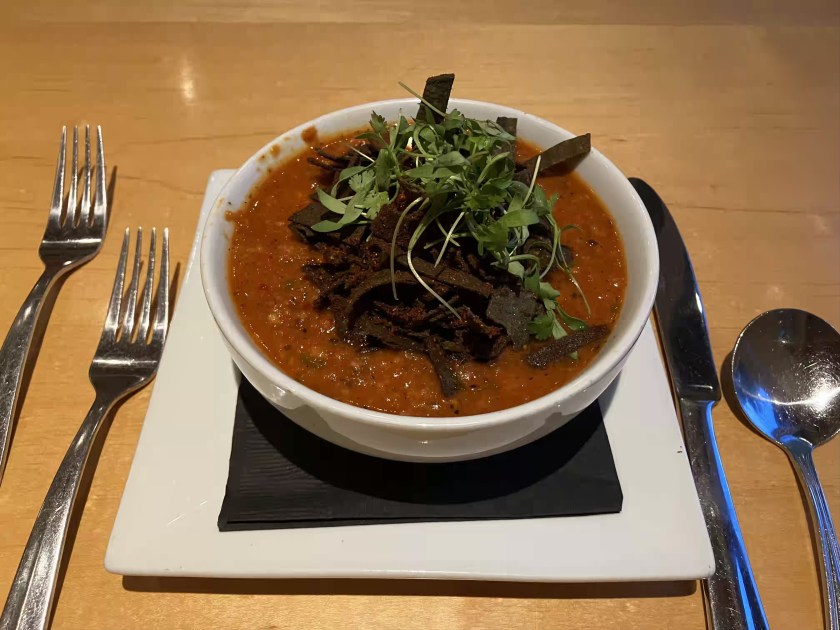
The unique cuisine of New Mexico is pretty much my favorite. The most essential ingredient is the roasted green chile. The most widely known are those grown in the vicinity of Hatch, NM. The Blue Heron restaurant at Ojo Santa Fé is a hidden gem. We ate dinner there shortly after arriving and checking in. For me, the highlight of the meal was the appetizer, a Tortilla soup that was more like a fine stew. It was just spicy enough to let the flavor of a hearty tomato soup shine through.
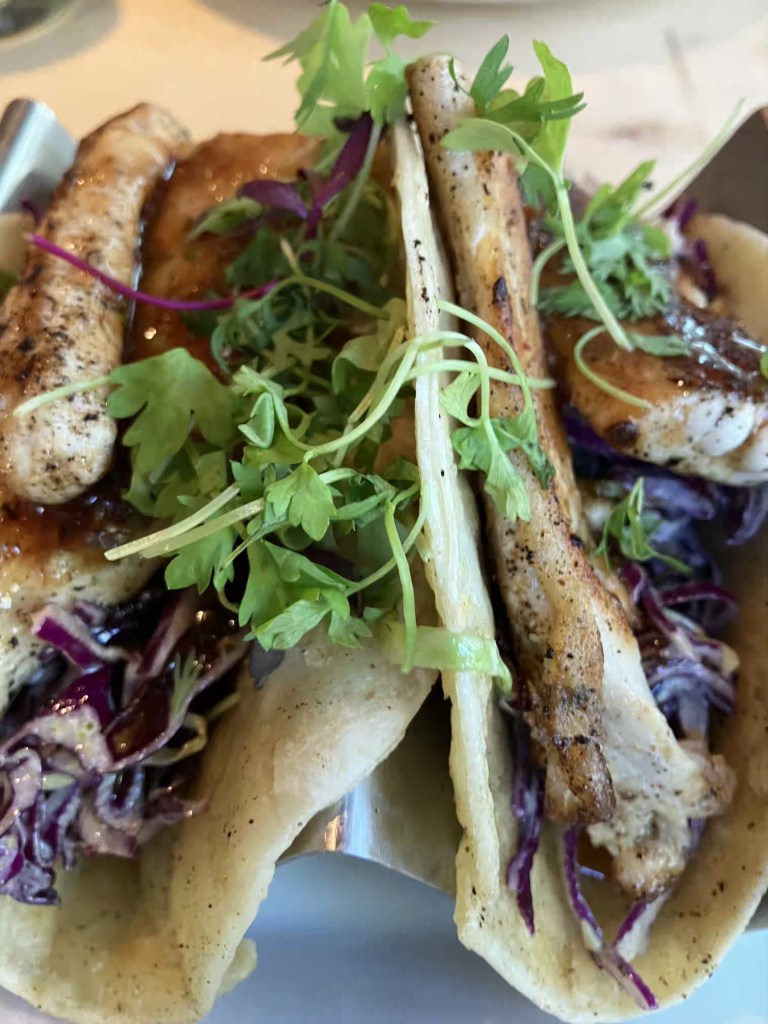
The grilled mahi-mahi of my main course of tacos was fresh, flaky, well-supported with shredded cabbage, cooled and freshened with cilantr0 — spicy but not overpowered by the chile.
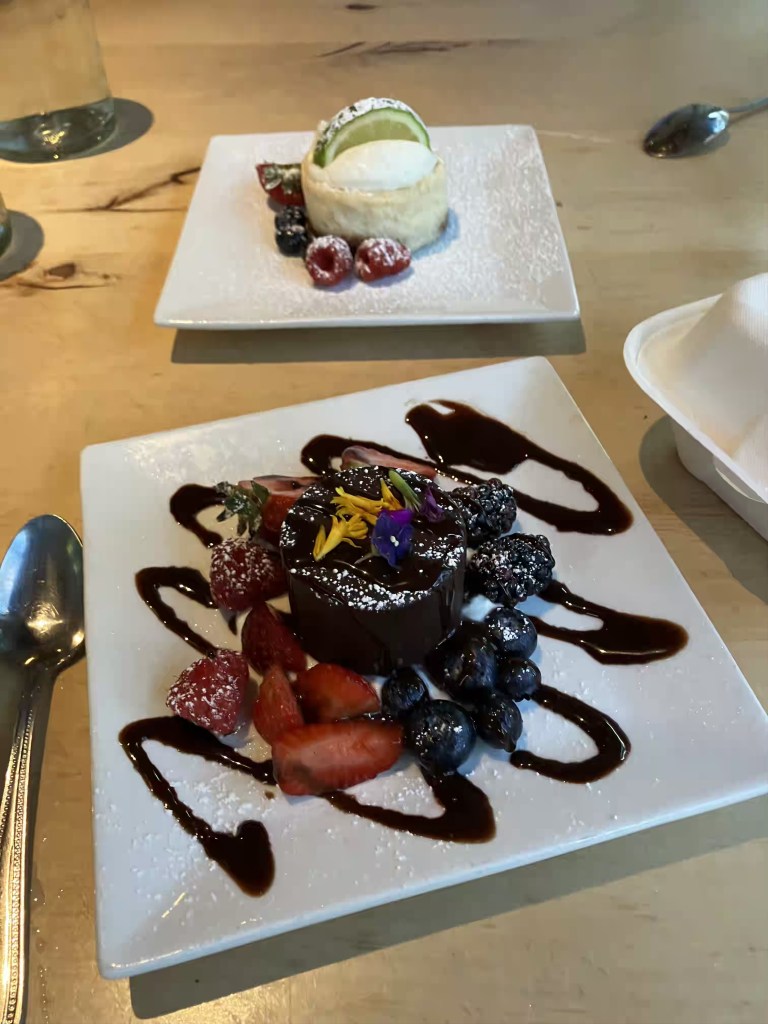
My wife told the waiter that we were in town to celebrate my birthday to which he responded with a wonderful chocolate mousse dessert. My wife chose a key lime tart. Both were flavorful without being too sweet.
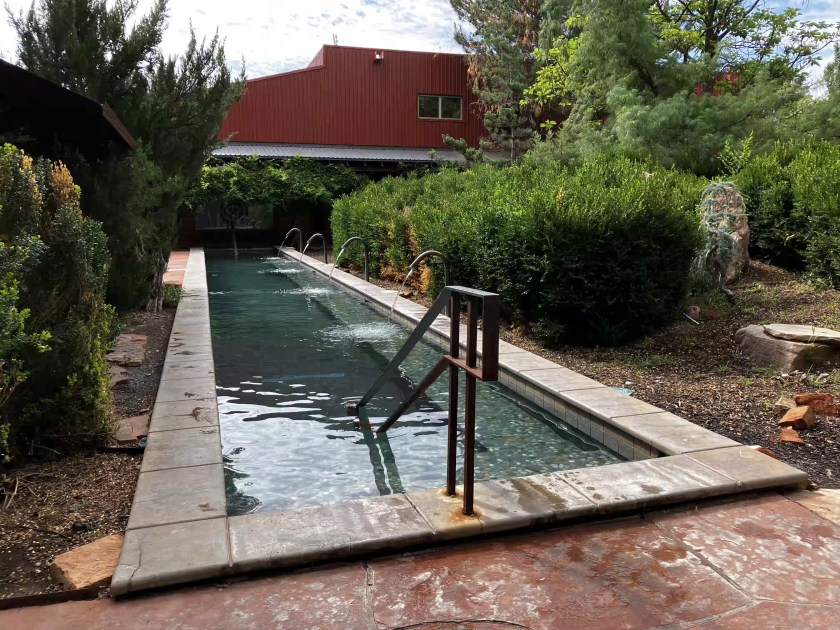
We followed dinner with a walk through the grounds and a nighttime soak in the Sage pool, a long, narrow pool that was not too hot at the time. It proved to be a relaxing way to prepare for sleep after a day of travel.
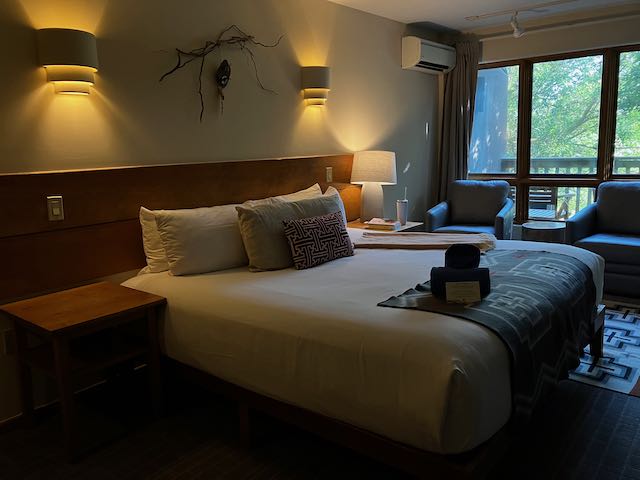
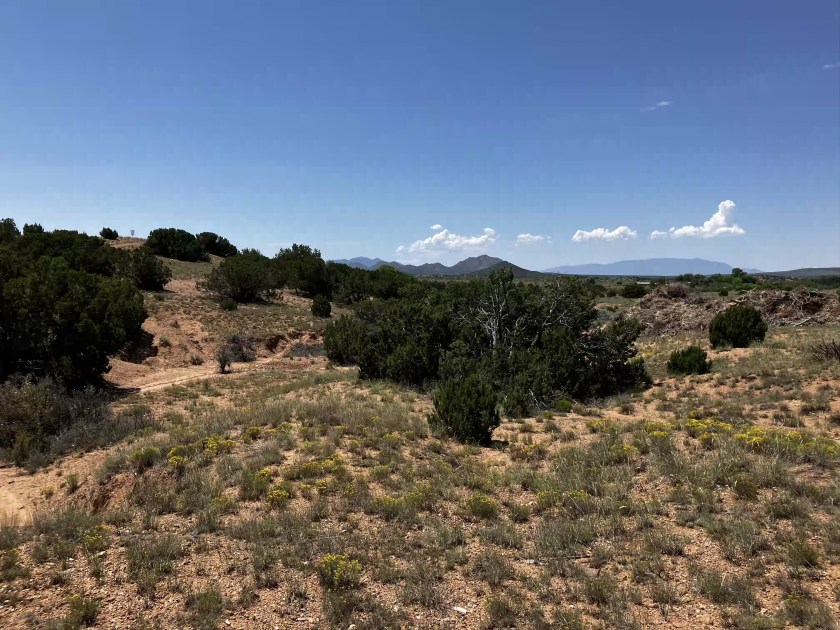
We got up the next morning to breakfast once again at the Blue Heron. It did not disappoint. I chose blue corn pancakes and my wife had the breakfast burrito. Both were delicious. We had planned to start the second day of our visit with a hike on the resort’s trails into the surrounding desert hills. It got hotter as we went along but an occasional breeze and the views across the Arroyo Hondo to the Jemez mountains provided enough reward and distraction.
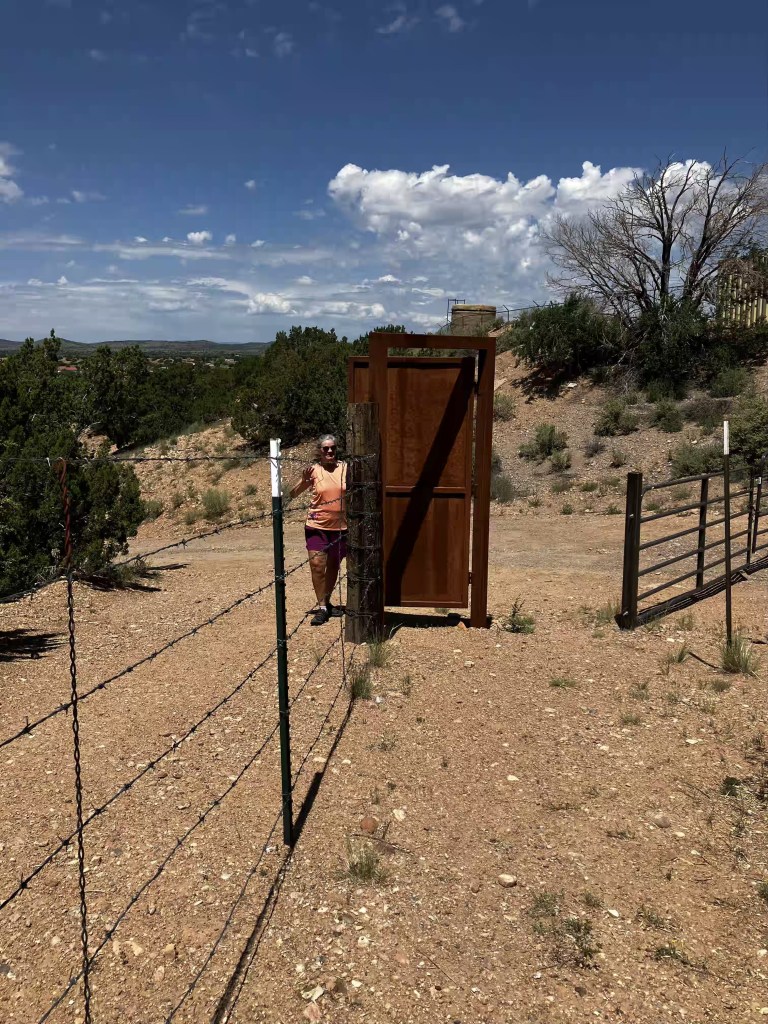
Where the trail crossed a road, a pedestrian gate provided a bit of humor as it stood next to an opening between it and the vehicle gate. It stood like a portal to the great beyond in the distance.
That afternoon we decided to do some serious soaking in the natural hot springs for which we had chosen it as our refuge. We started with the salt water pool to get in a few laps aided by the extra flotation provided by the salt. Then, onto the main pools, and back to the Sage pool before dinner.
After much debate about where to eat, we decided to take the path of least resistance and sample the Blue Heron’s offerings again. There were dishes we had seen on the menu the night before that were enticing. It turned out to be a good choice and afforded an easy transition to another evening soak.
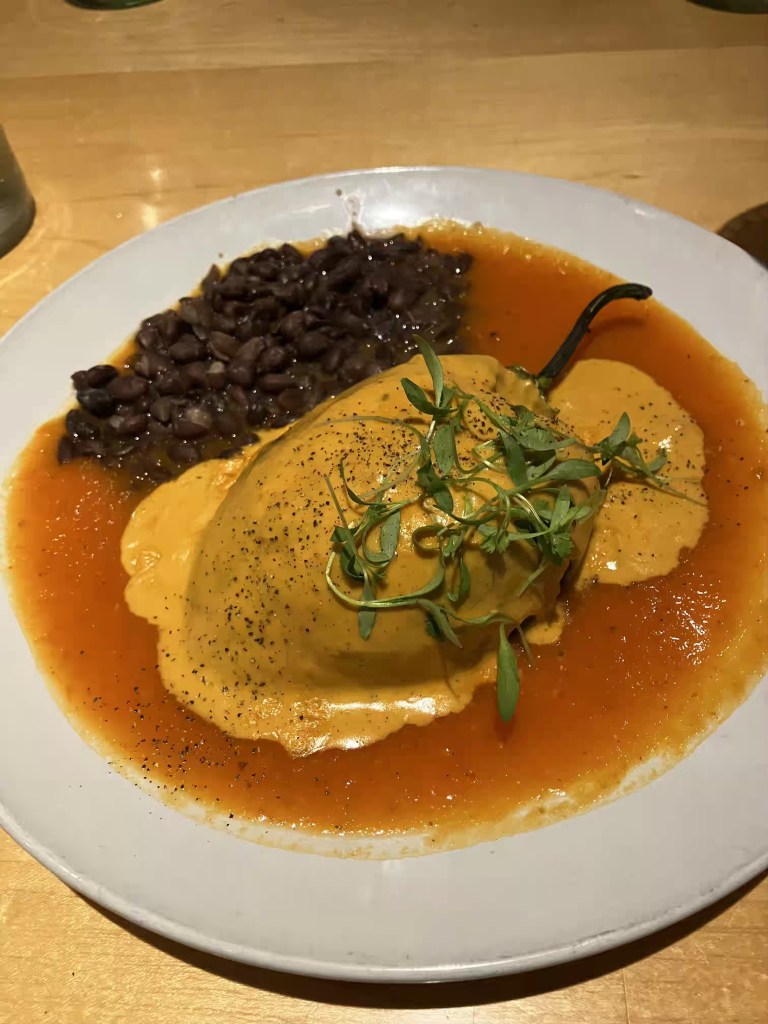
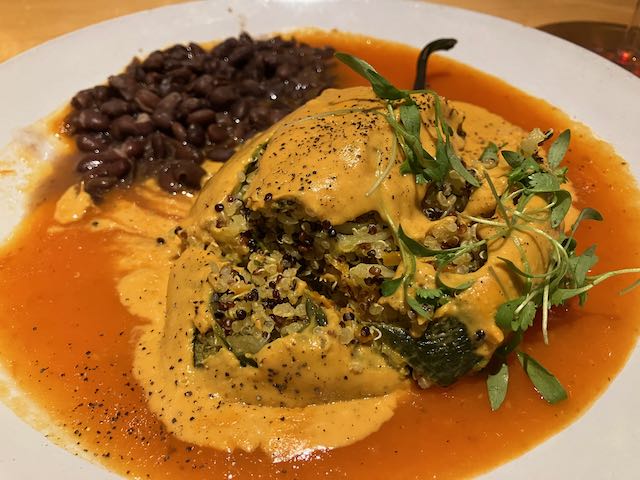
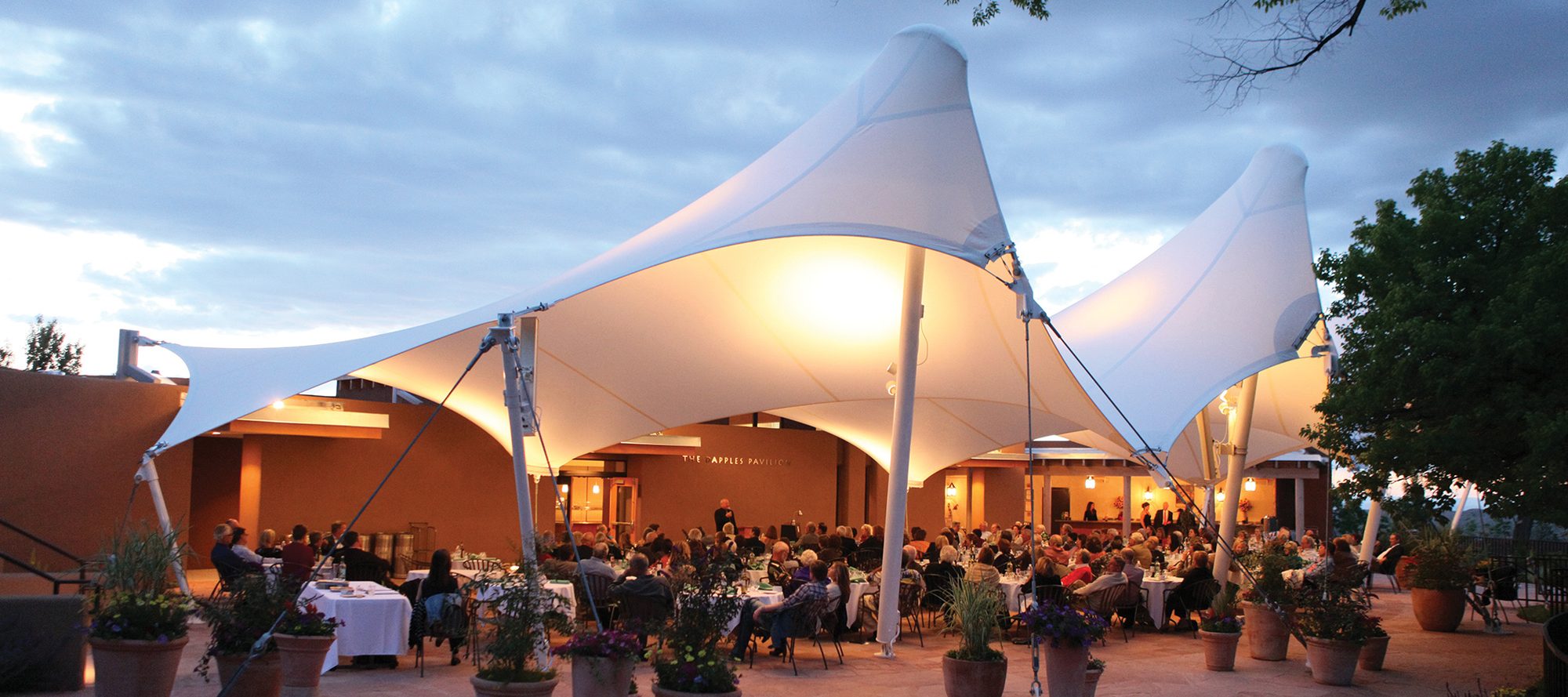
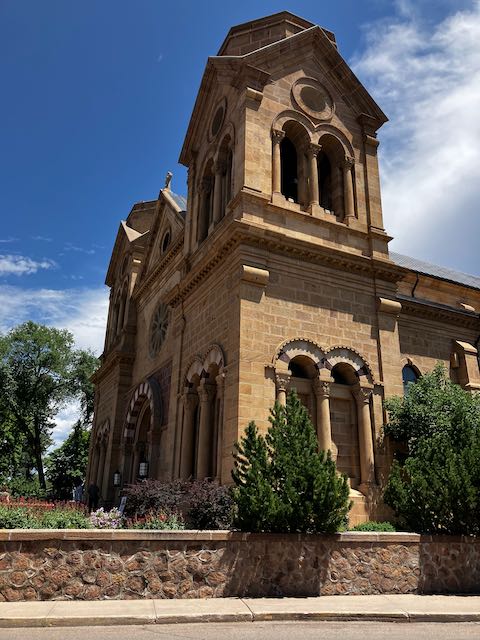
The next day was to conclude with the highlight event of the trip, the performance of Der Rosenkavalier by Ricard Stauss at the Santa Fé Opera. But first, a day in historic old town Santa Fé. We headed downtown to breakfast on the plaza at, no, not the usual Plaza Café, but to the French Bakery in La Fonda Hotel. Quiche Lorraine and Florentine with a couple of cafes au lait and we were ready to stroll over to Canyon Road and Garcia Street where we looked for the Garcia Street Bookshop, an independent store full of southwestern history, art, science, philosophy, mystery, and many unusual finds. Along the way, we passed along side the Cathedral Basilica of Saint Francis of Assisi which anchors the east end of the main plaza area.
Garcia Street is a leafy residential side street with some quaint New Mexican architecture.
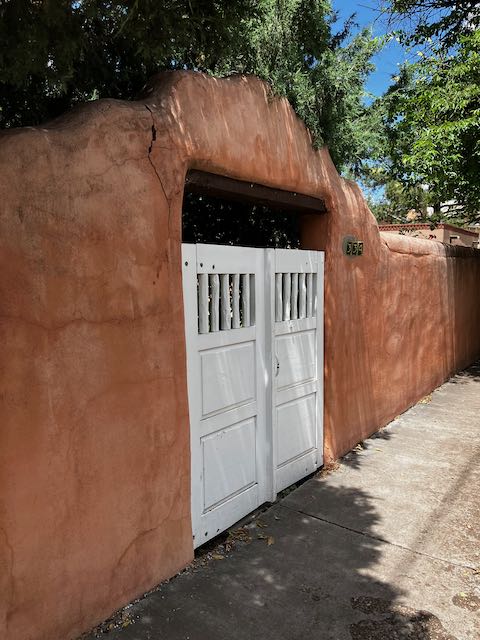
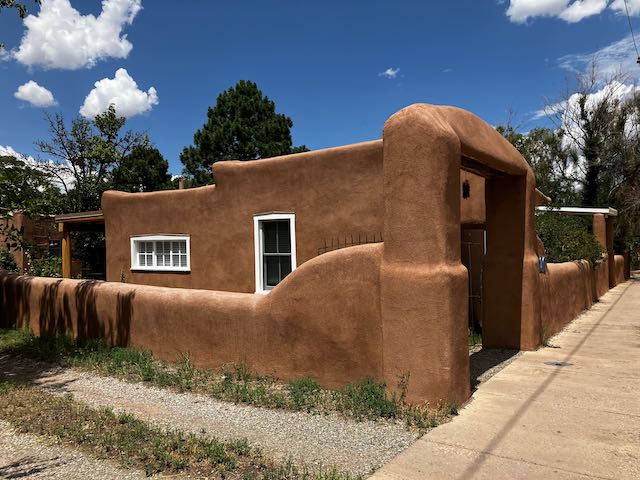
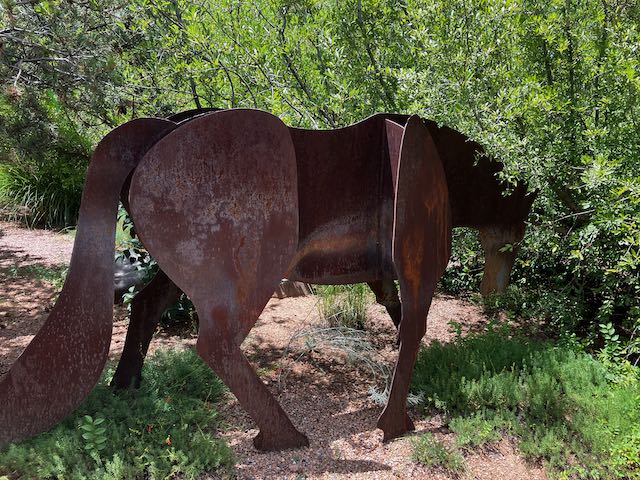
And, some interesting, very southwestern, yard decor…
We walked on to Canyon Road, a boulevard of art galleries, fine dining restaurants, cafes, and bars. But mostly art galleries. Very upscale art galleries with fabulous pieces and prices to match. For me, it’s more a museum than a place to shop, though we have, in fact, bought a few things there over the years.
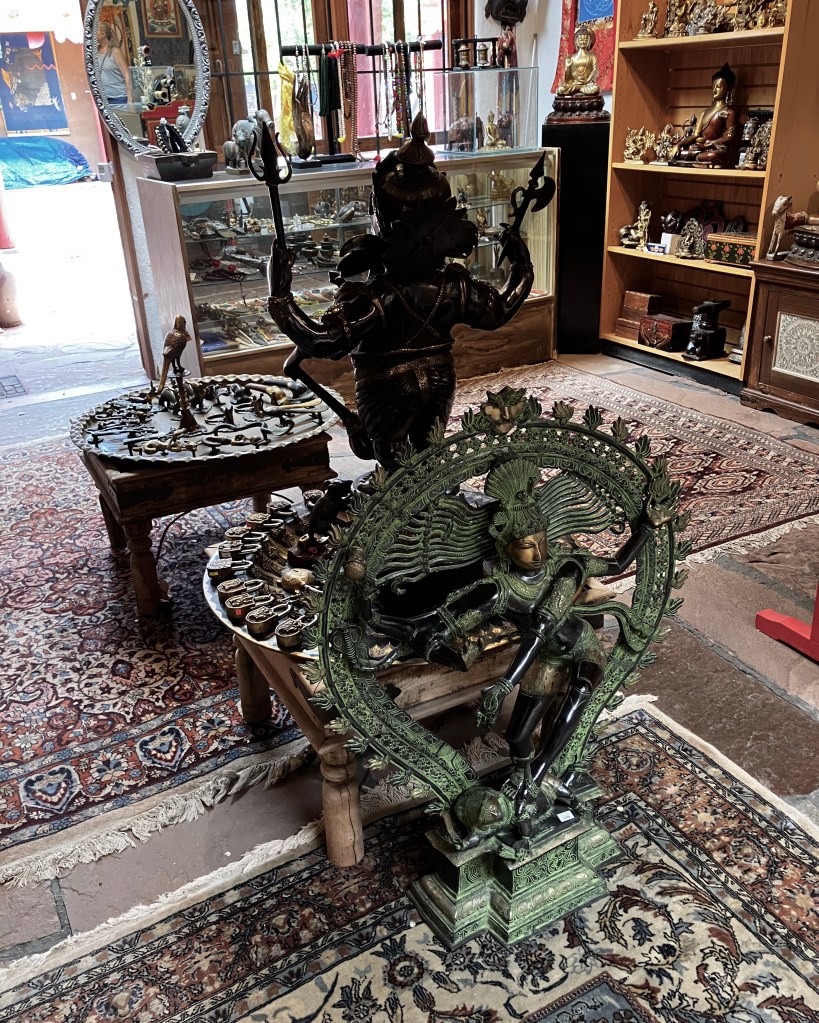
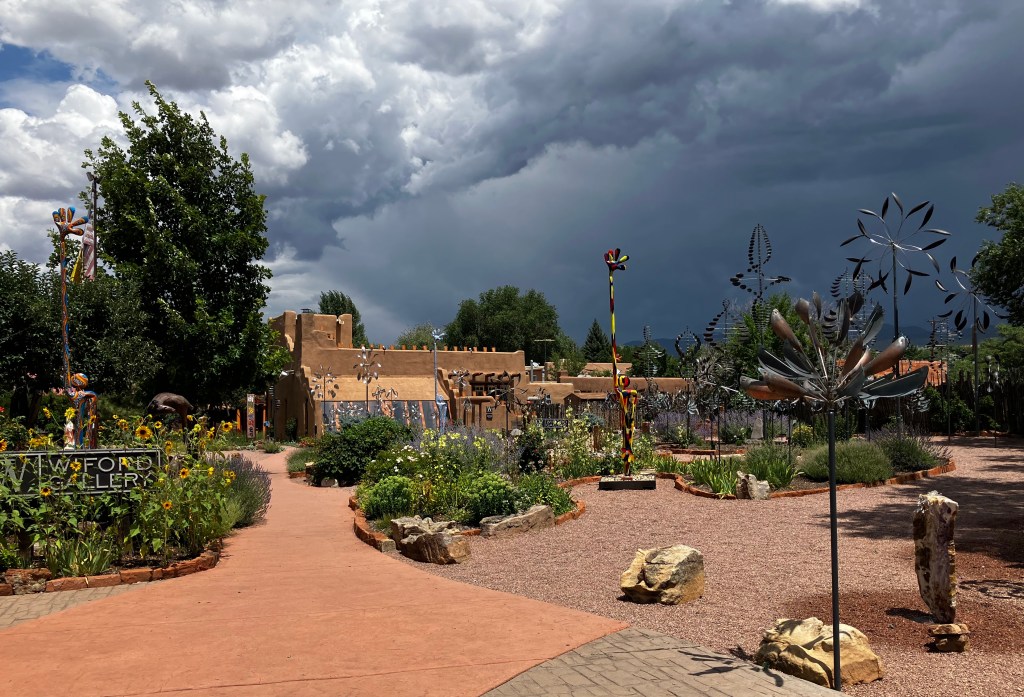
There are many indoor galleries along Canyon Road and the works on display are nothing short of fabulous. But it was time to head on up to Museum Hill. My wife collects Puebloan pottery and had her heart set on finding one or two pieces by accomplished potters from pueblos still missing from her collection. She had read that the Wheelwright Museum of the American Indian carried what she was looking for–small artistic pots from the San Idelfonso Pueblo. The one she found, shown below, was crafted by a younger member of a prominent family of San Idelfonso potters.
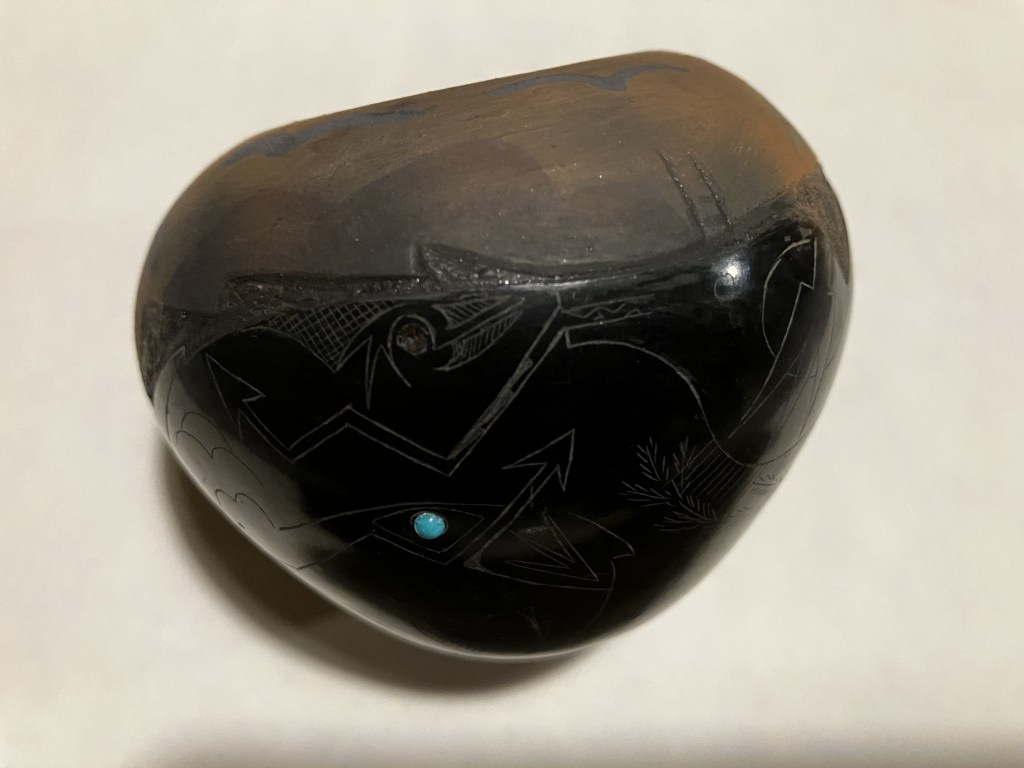
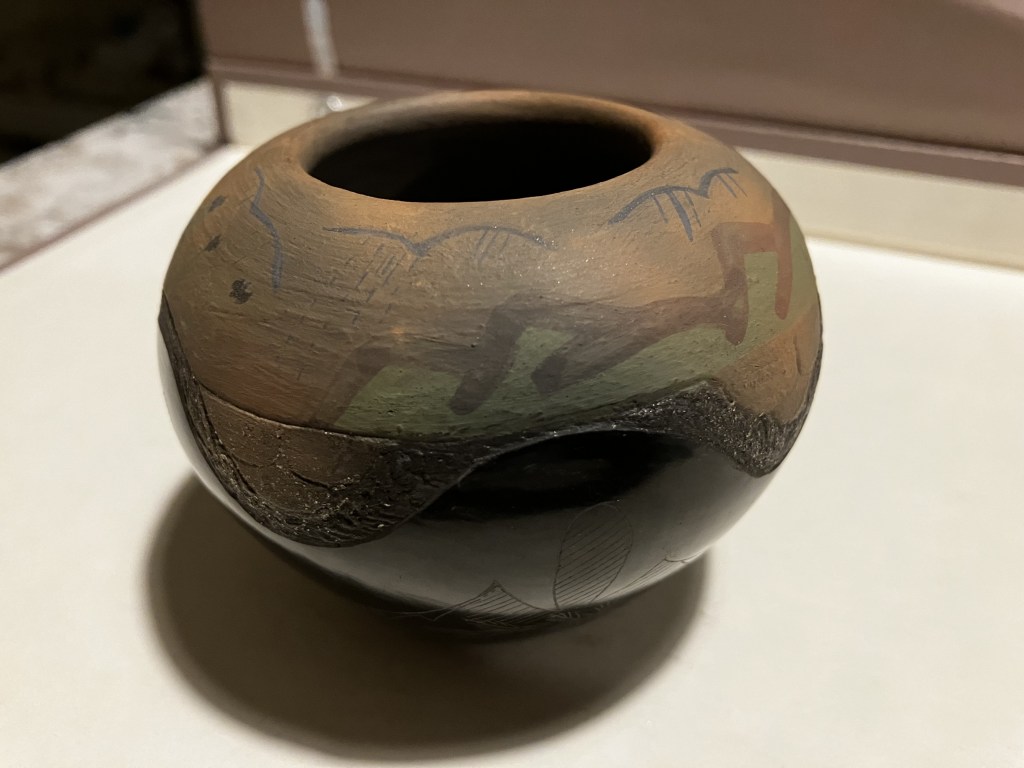
San Idelfonso, c. 1997
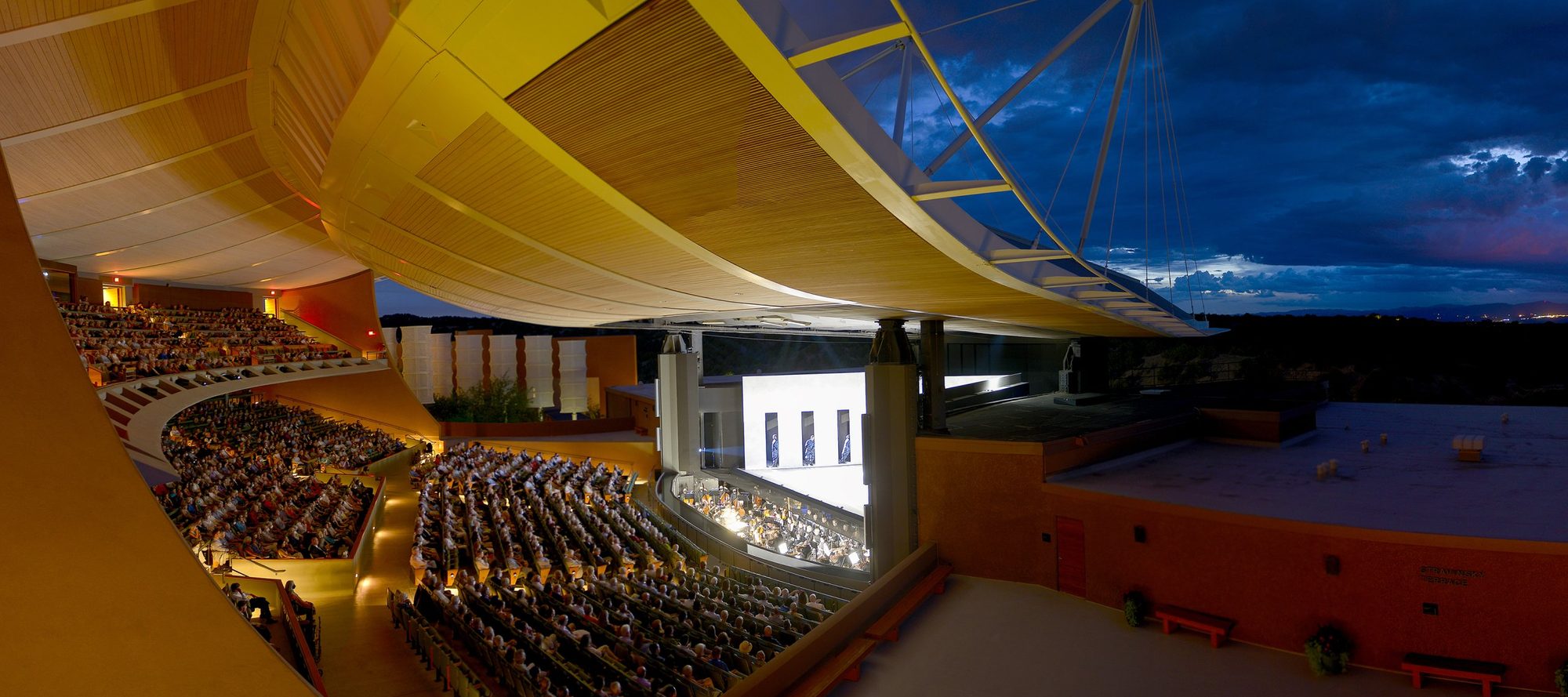
It was time to get back to Ojo Sant Fé, rest for awhile, soak for awhile, then get ready to head to a catered dinner at the expert talk before the opera. If you’ve never been to the Santa Fé Opera, you are in for a treat even if you are not an opera fan. It is a truly unique performing arts venue in the entire world, let me repeat, the entire world. First of all, it is one of the only covered open air performing art venues anywhere in the world. The high desert and mountains surrounding the venue create an environment unlike most any other performing arts center.
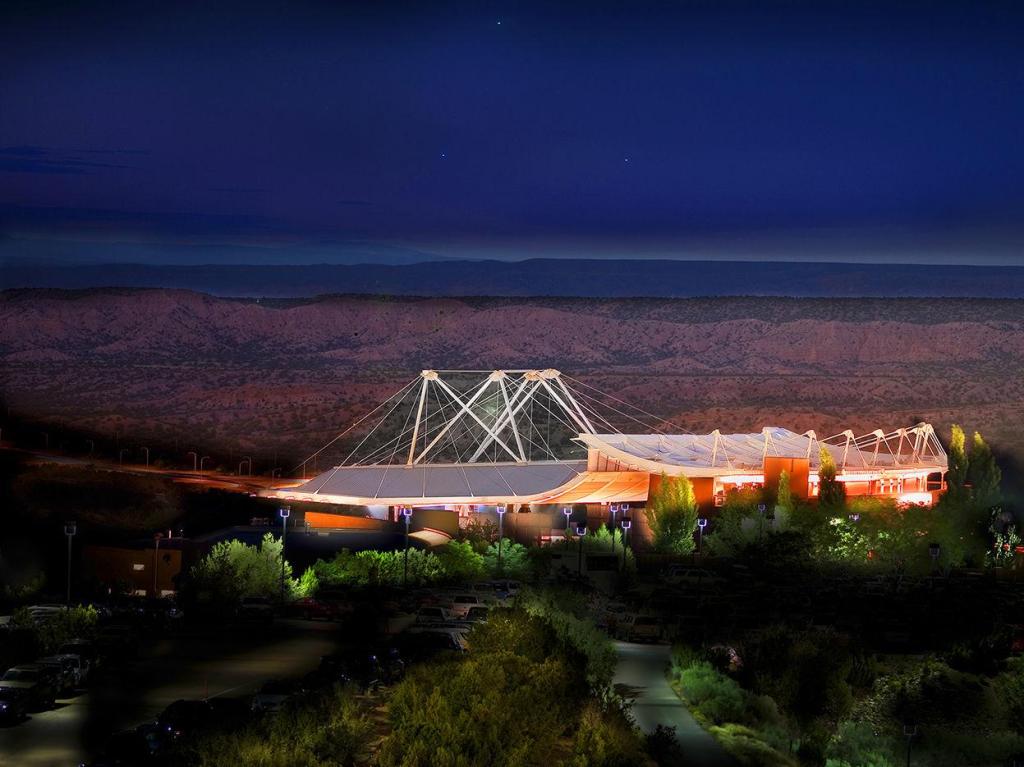
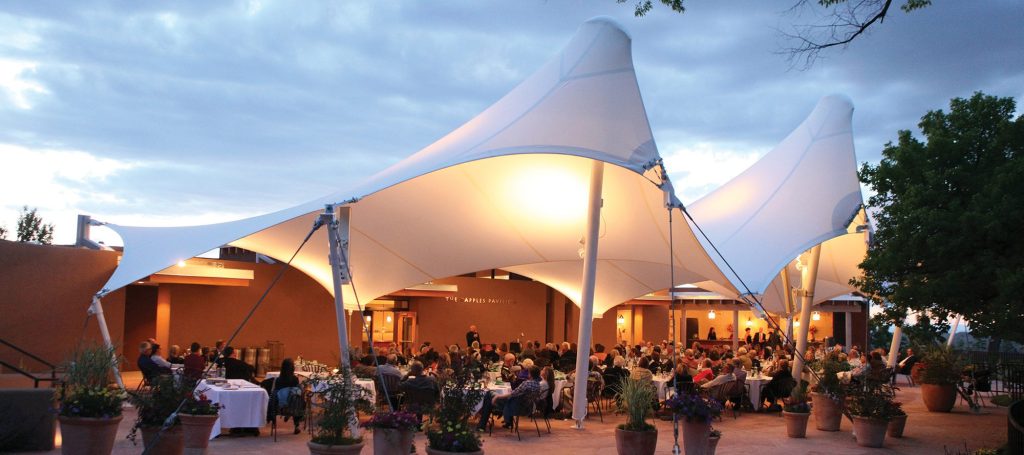
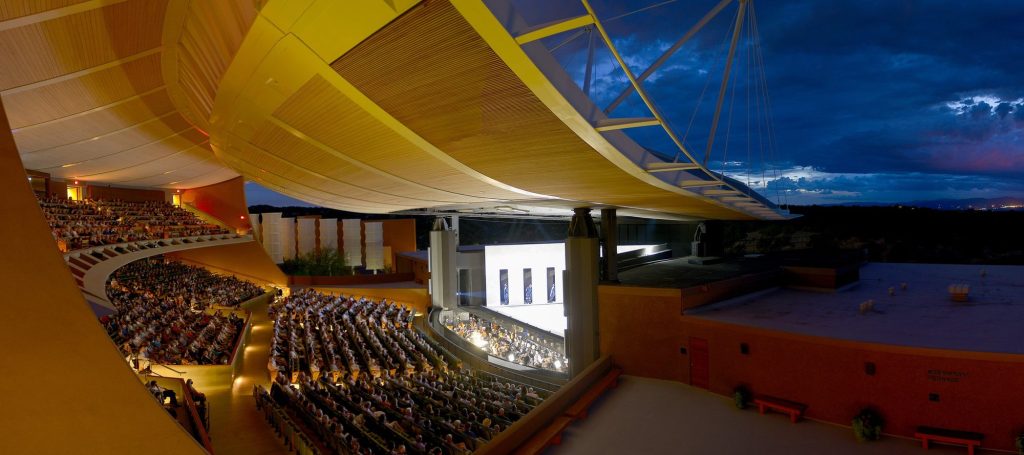
Source: https://images.santafeopera.org/uploads/2022/11/Crosby-Theatre-audience-orchestra-credit-Robert-Godwin-2022-web-scaled.jpg?resize=2000%2C889&gravity
We chose a performance of the German composer Ricard Strauss’ Der Rosenkavalier — the Knight of the Rose or The Rose Bearer — a comic opera in three acts. The German libretto was written by Hugo von Hofmannsthal based on Louvet de Couvrai’s novel Les Amours du Chevalier de Faublas and Molière’s comedy, Le Monsieur de Pourceaugnac. As usual, the Santa Fé Opera company’s rendition was original and innovative. It is a very long opera, over four hours, including two intermissions. The opera company drew the audience further into the performance by incorporating the set changes during intermissions into the performance. It was hard to tell that the technicians were not also performers as they went about deconstructing and transforming the sets from one act to the next. Their work appeared meticulously choreographed and performed, down to the instructions chanted by the foreman to the team. Astounding and intriguing. Bravo!
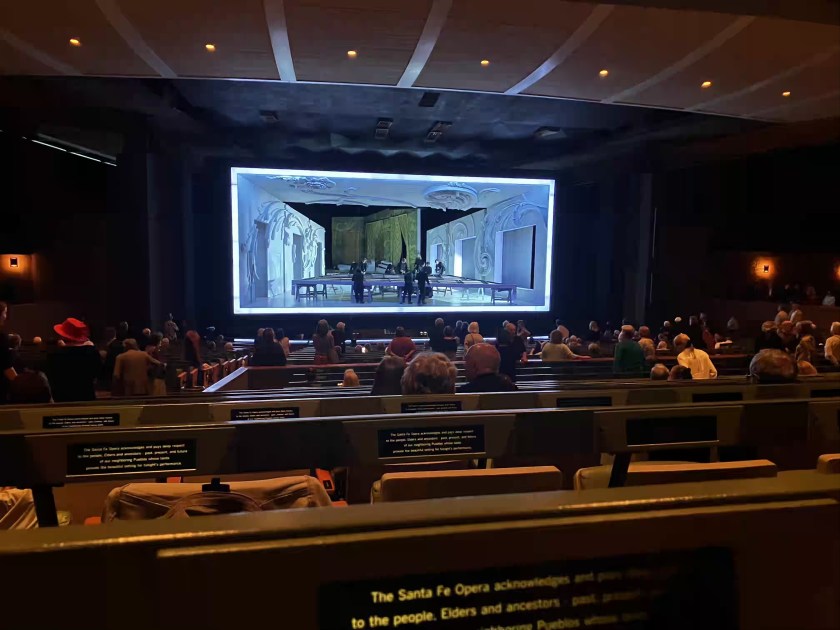
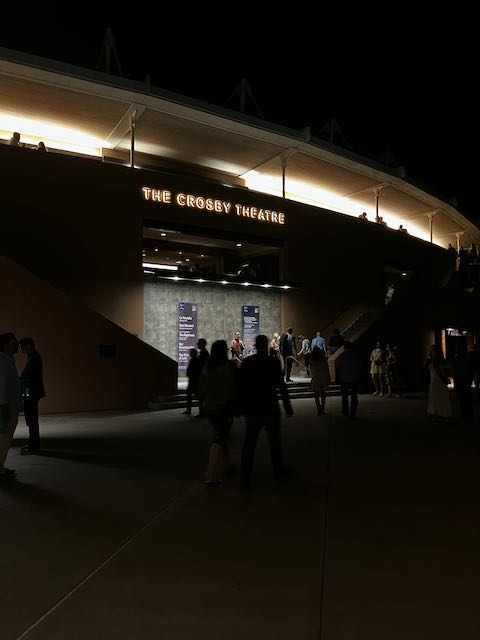
following the performance.
It was a late night but well worth it. The next day, we were headed home but we took some time for one last soak in the long, slender Sage pool. This morning, the pool was a lot warmer than the previous day and we didn’t linger long. We took advantage of the complimentary, locally roasted coffee brewing in the lounge at the spa, ate a light breakfast in our room, checked out, and began the drive home.
We followed a scenic route north from Santa Fé, past the Santa Fé Opera, the village of Pojuaque, the road west to Los Alamos, through the town of Española, turning northeast toward the Rio Grande valley on the way to Taos.
Taos is quintessential northern New Mexico, at least, as is has evolved from its origins at the Taos Pueblo which still thrives northeast of the new town. To the south, and on our way into Taos proper, we passed through Ranchos de Taos, made famous by the impressionistic painting of Georgia O’Keefe and the stark black and white photography of Ansel Adams of the old mission church.
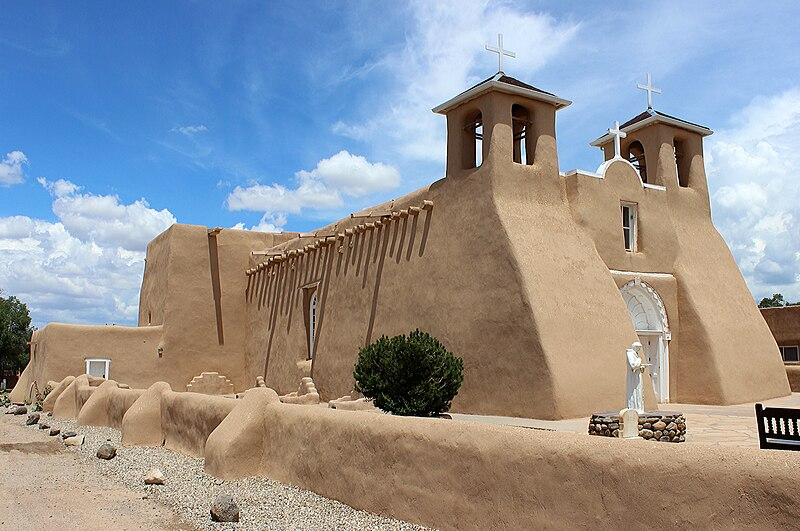
Source: ©2012 Travis K. Witt under the Creative Commons Attribution-Share Alike 3.0 Unsupported license
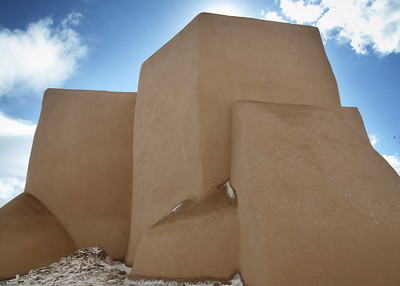
Source: Copyright 2007 David under https://creativecommons.org/licenses/by/4.0/deed.en accessed at: https://www.flickr.com/photos/davidw/396493287/
We made one last stop on the way home for lunch in the small, historic town of San Luis, Colorado. It is proclaimed to be the oldest town in the state, having been founded on April 5th, 1851. It’s most well-known feature is the Stations of the Cross Shrine and the walkway from the downtown up to the shrine adorned with life-size bronze statues of 14 Stations of the Cross and a recreation of Mount Calvary at the top of the mesa, where the Shrine resides.
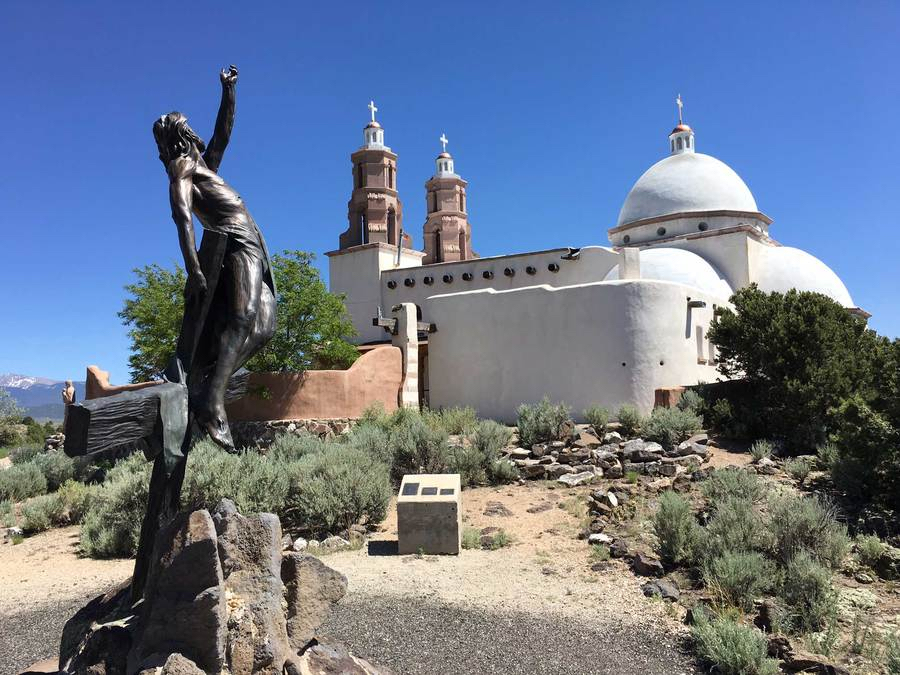
Source: Lance Hernandez, c. 2016, Denver 7 News, Accessed at:https://www.denver7.com/news/state-news/san-luis-a-farming-town-in-the-scenic-san-luis-valley-was-established-by-spanish-settlers-in-1851
We ate lunch at one of the few open restaurants on Main Street, Piccadilly Circus Pizza. I chose the item that most reminded me of Southwestern cooking, a chicken, chile, and tomato sauce pizza. It was well-made with fresh ingredients, hot out of the oven in what seemed to be a long-enough time for the flavors to blend and the dough to be properly done, not rushed. It was simple but so good I had another piece as an evening snack after we arrived home! Ah, I love the smell and flavor of fresh, roasted, green chiles!
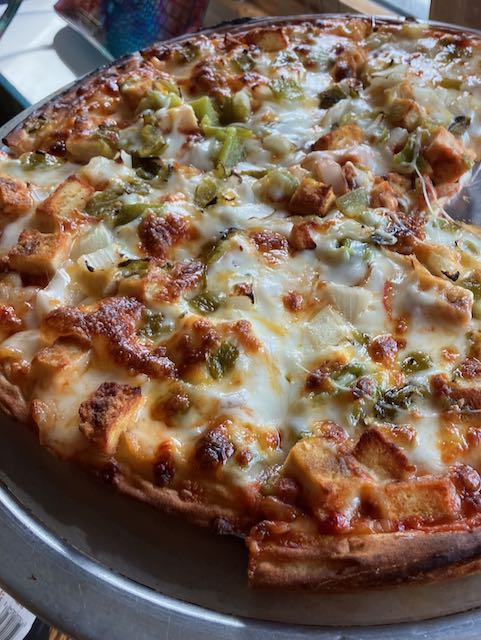
 A Finis Terrae