Colca Canyon
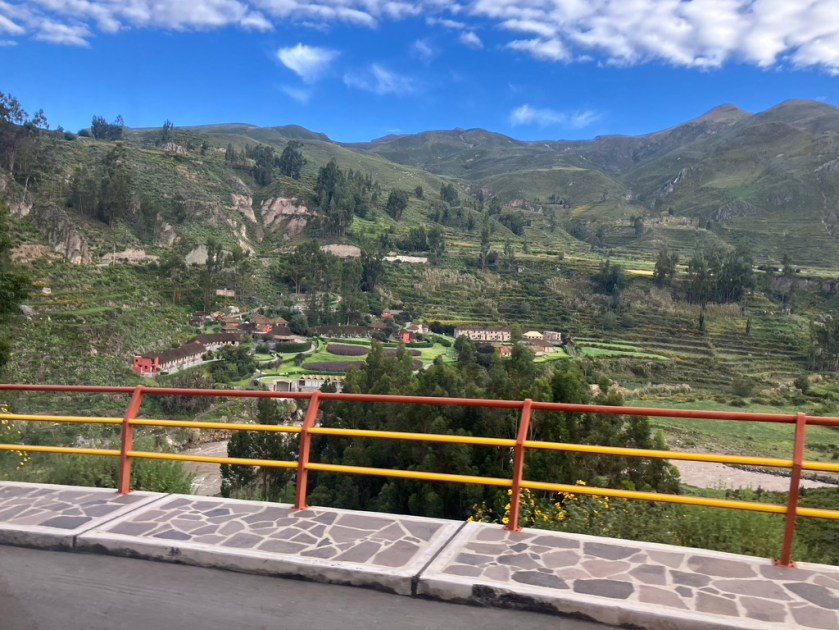
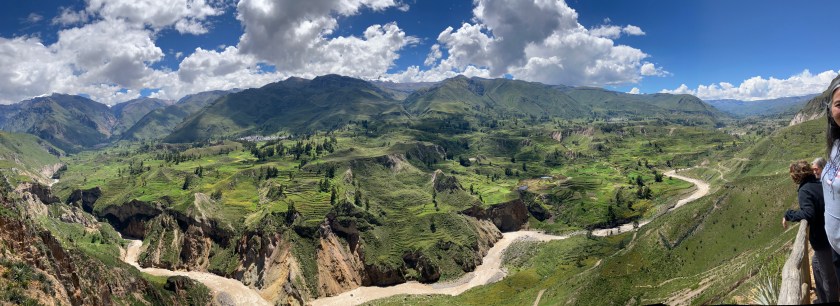
We spent the next couple of days descending to the bottom and on the way out of the deepest or, at least, one of the deepest canyons on the entire planet, Colca Canyon in south central Peru. Rio Colca carved out the canyon cutting through its lowest level, home to farmlands and hot springs.
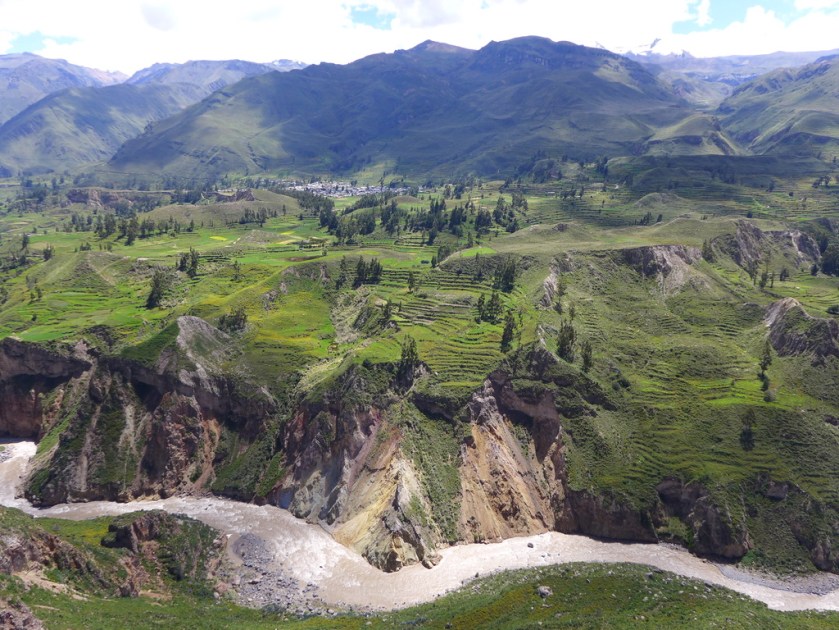
Driving on from the entrance to the canyon at Chimay, we stopped at Mamayacchi’s for lunch as I described in the last post, then headed onto the village of Yanque and the Colca Lodge, Spa, and Hot Springs on the banks of Rio Colca.
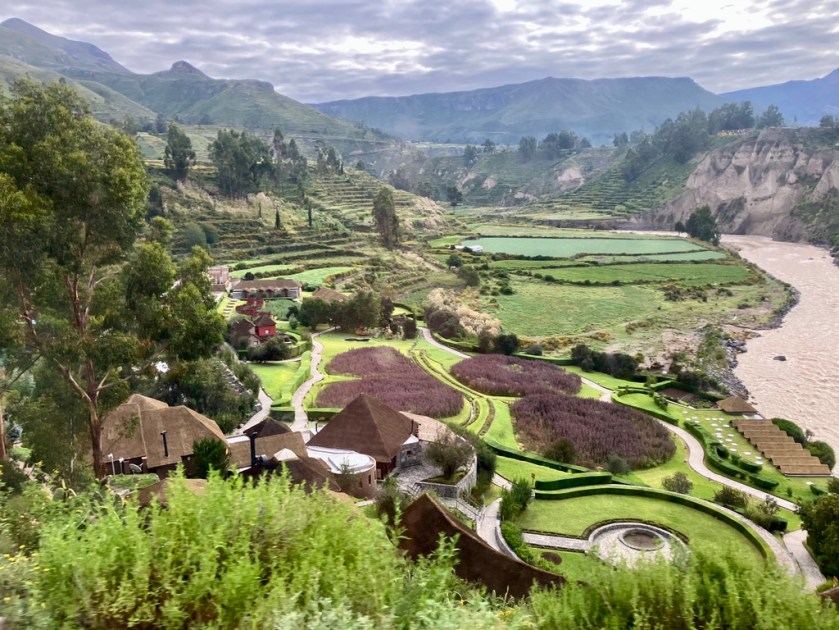
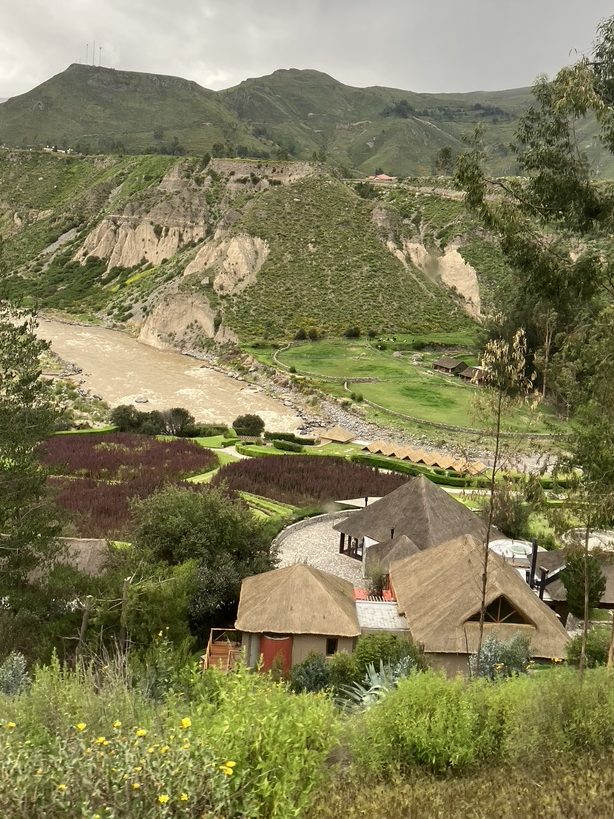
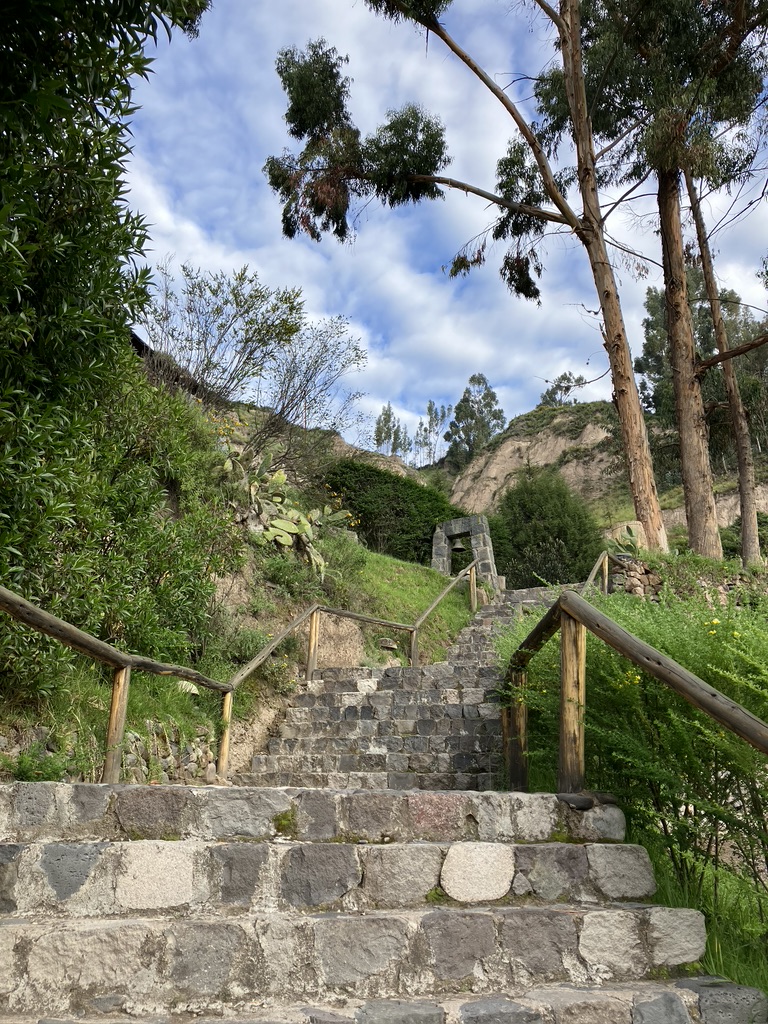
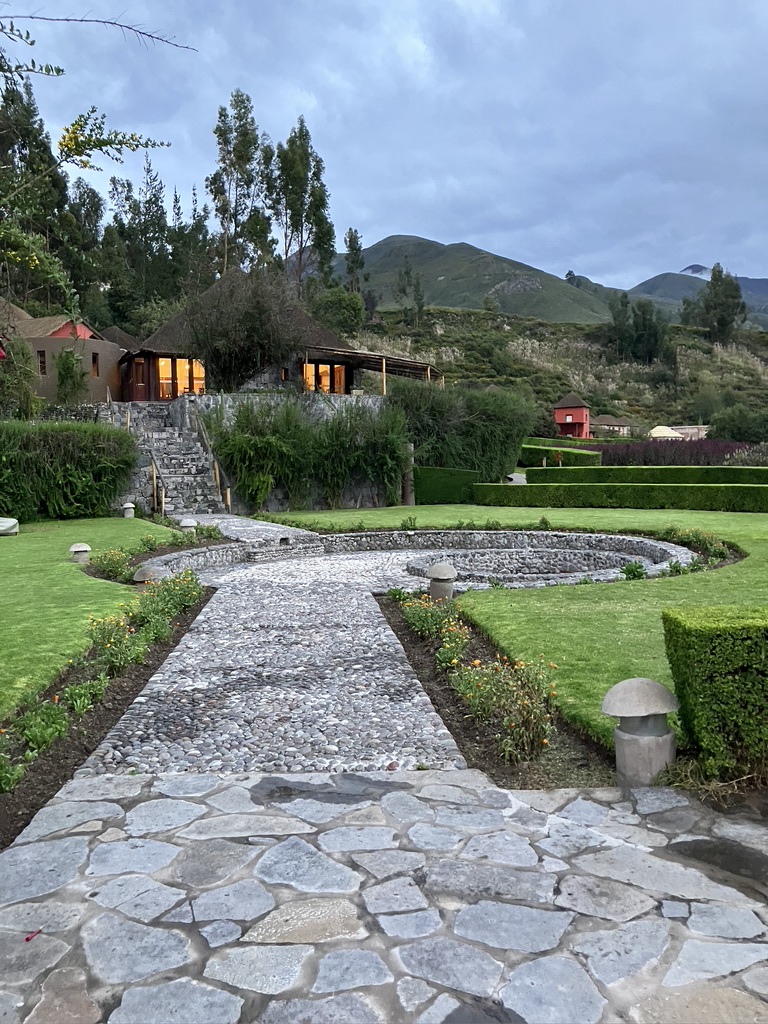
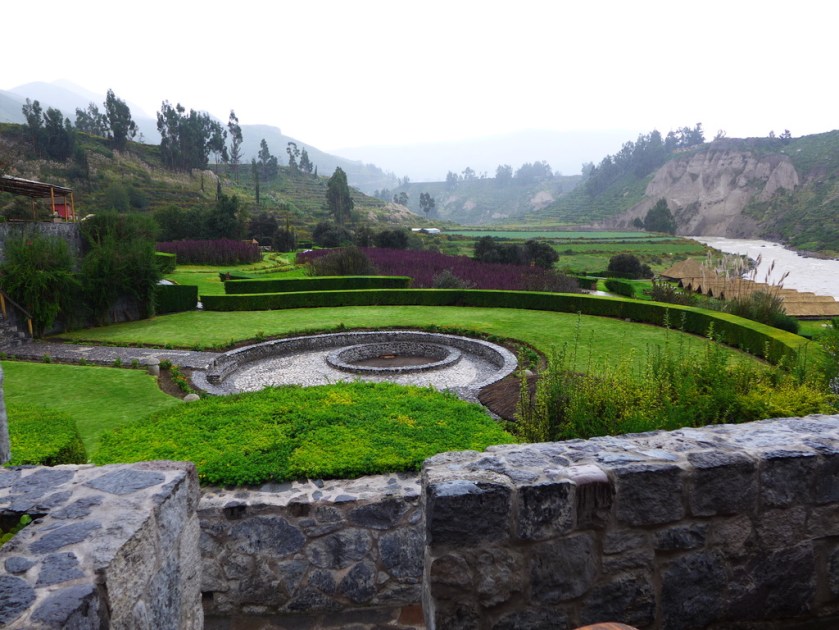
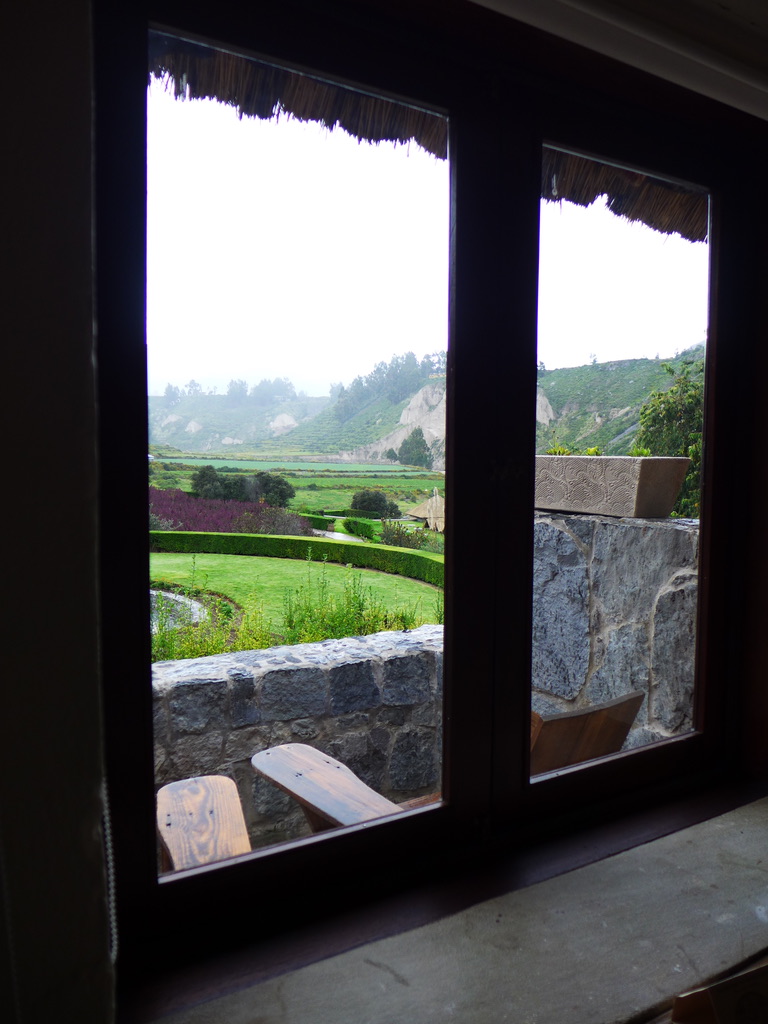
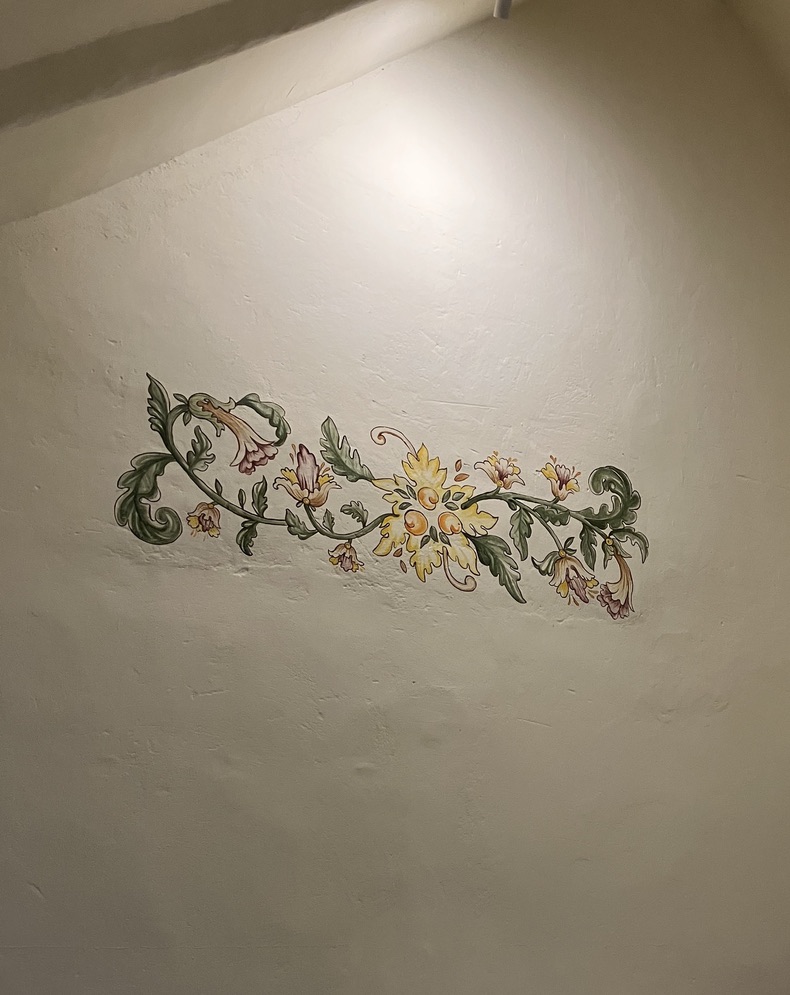
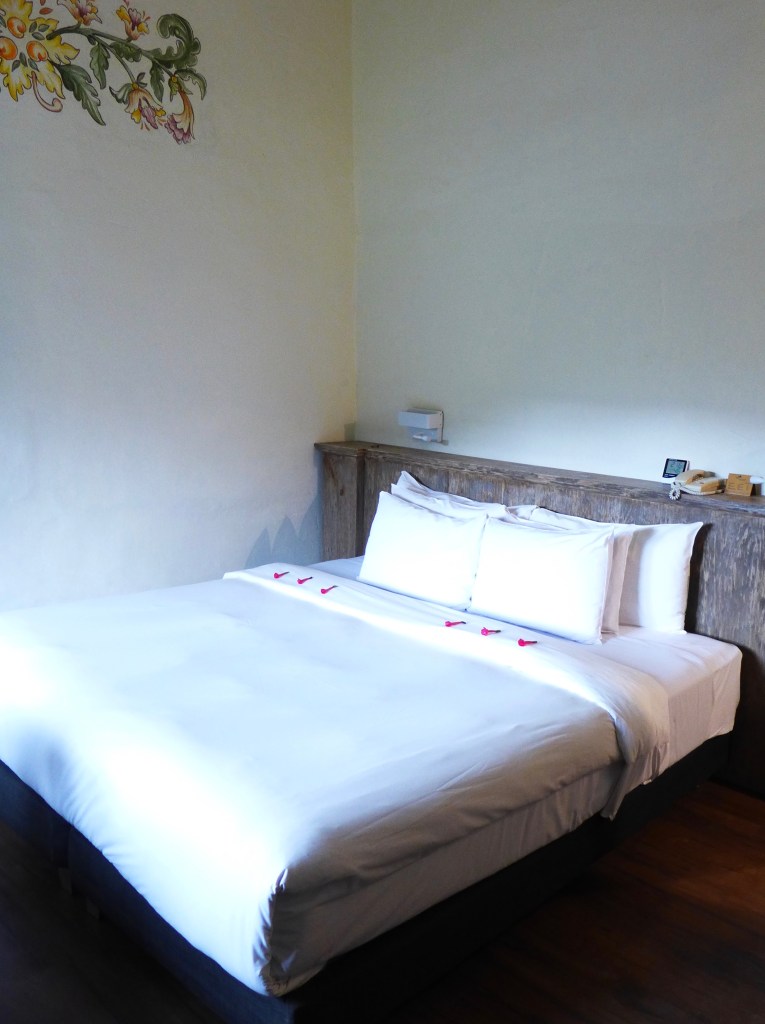
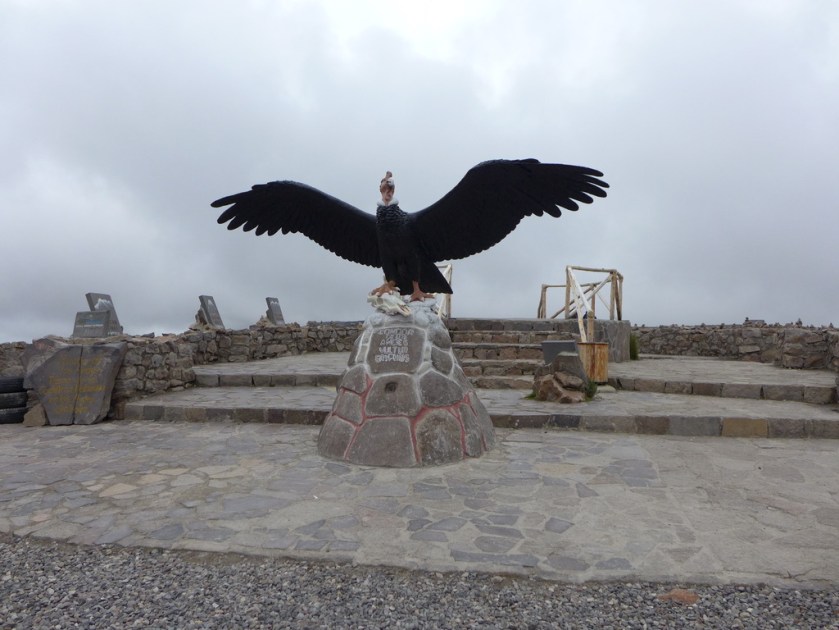
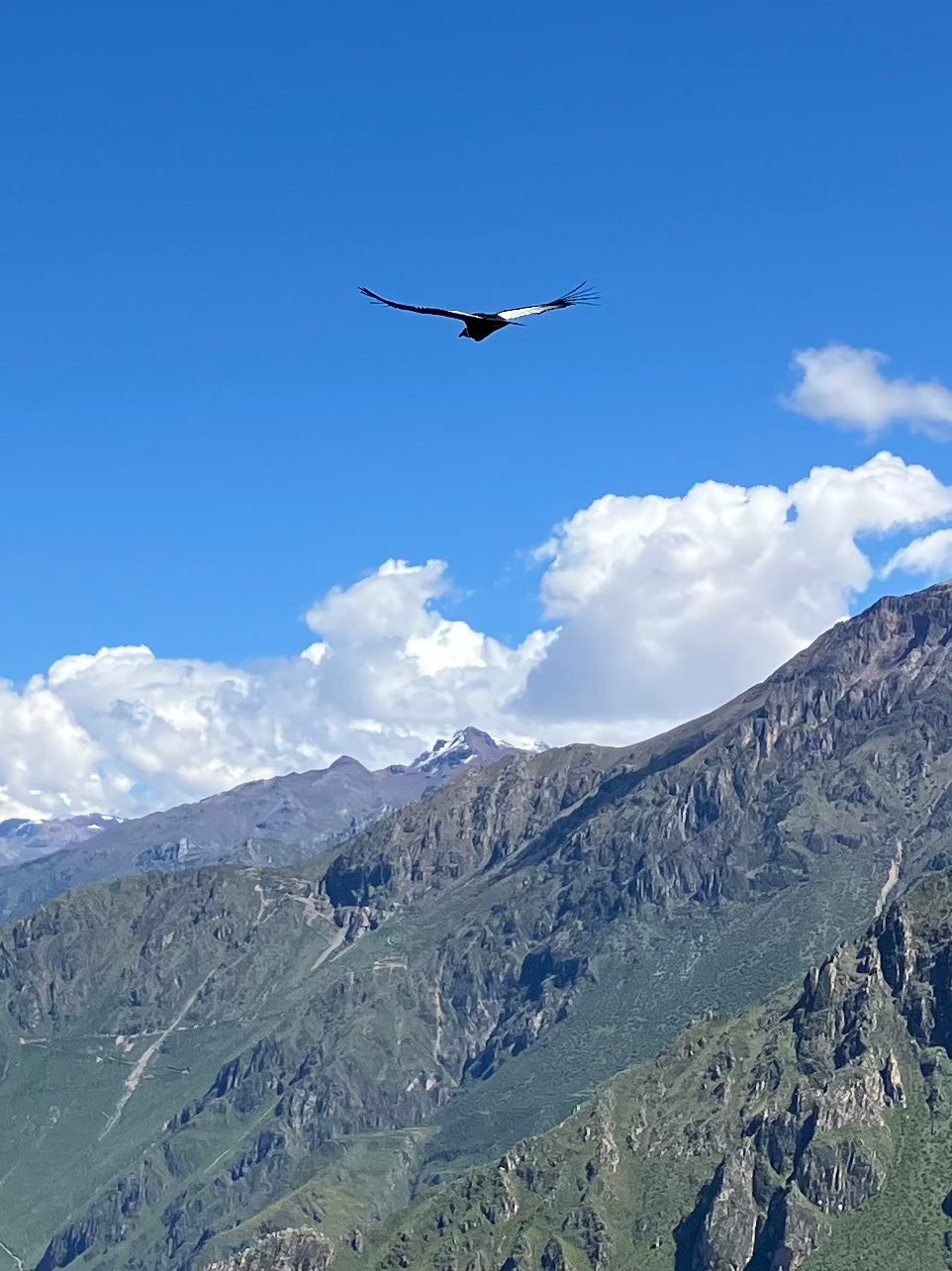
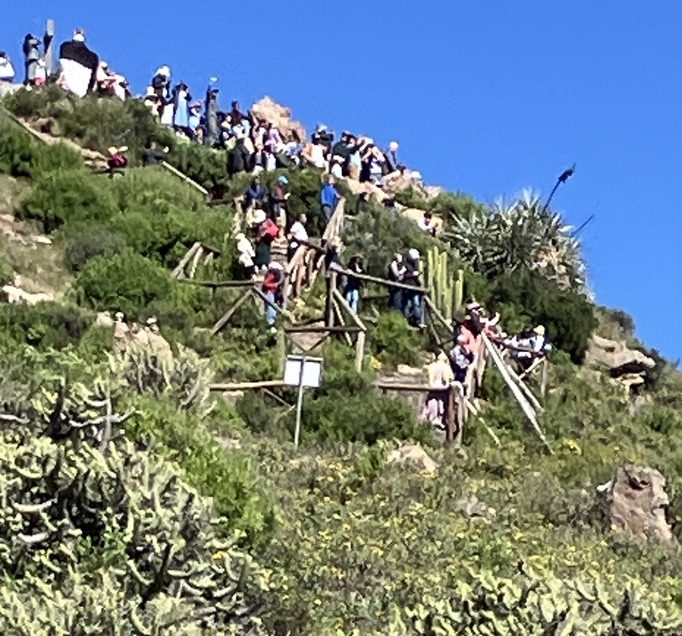
After a cool, crisp evening of soaking in the hot spring pools by the river’s edge and massages at the spa for some of us, we met for drinks and small plates, then off to bed. The next morning, we left for the climb out of the valley with various stops, the highlight of which were the Andean Condor viewing roadside parks, paths, and balconies.
But first, a quick visit to the quaint village of Yanque with its sizeable central plaza and church.

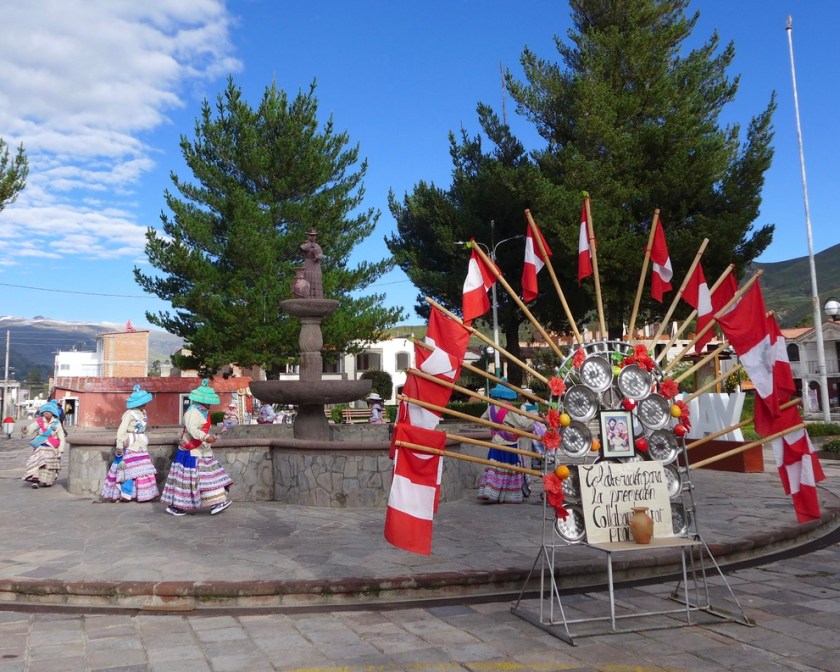
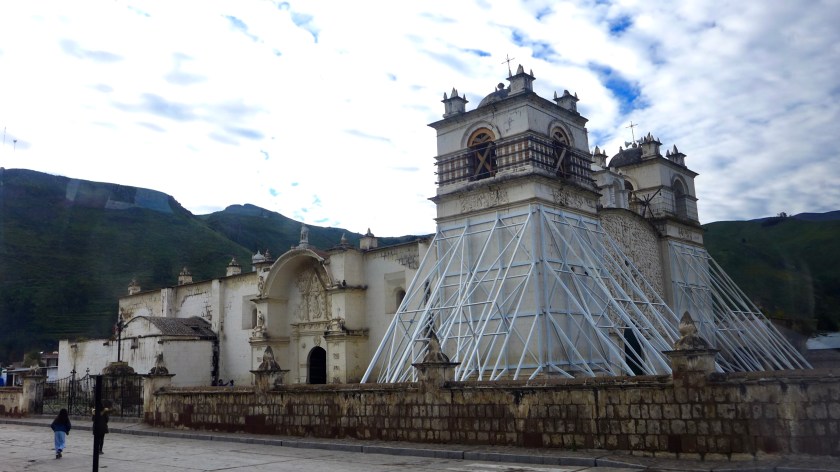
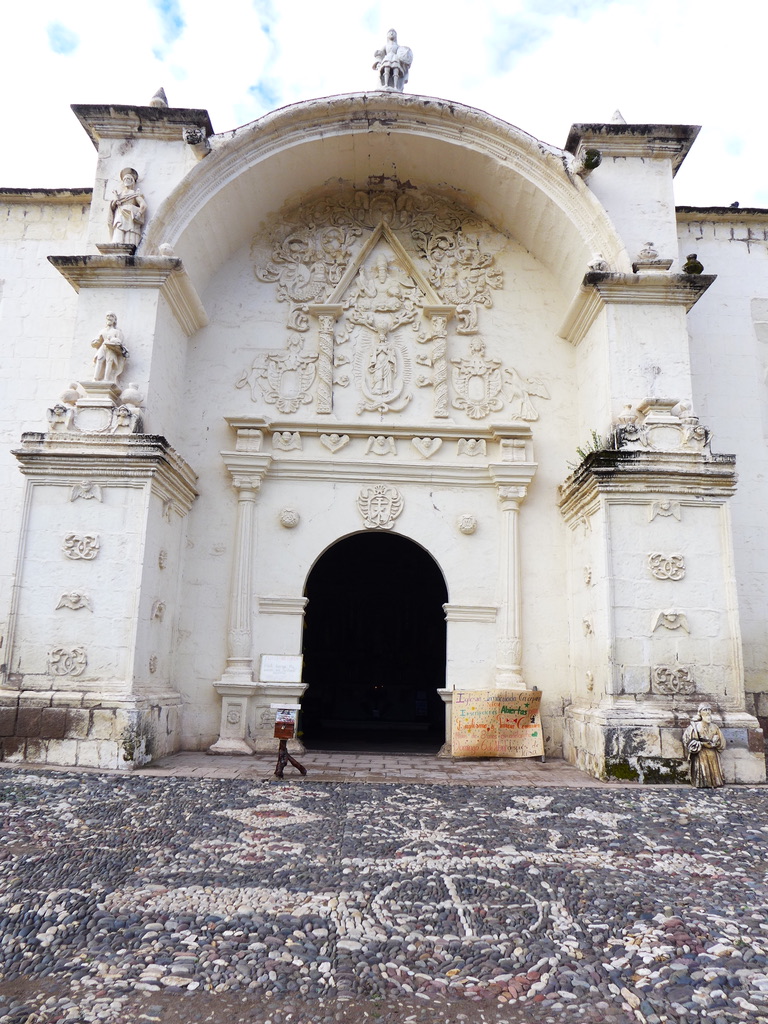
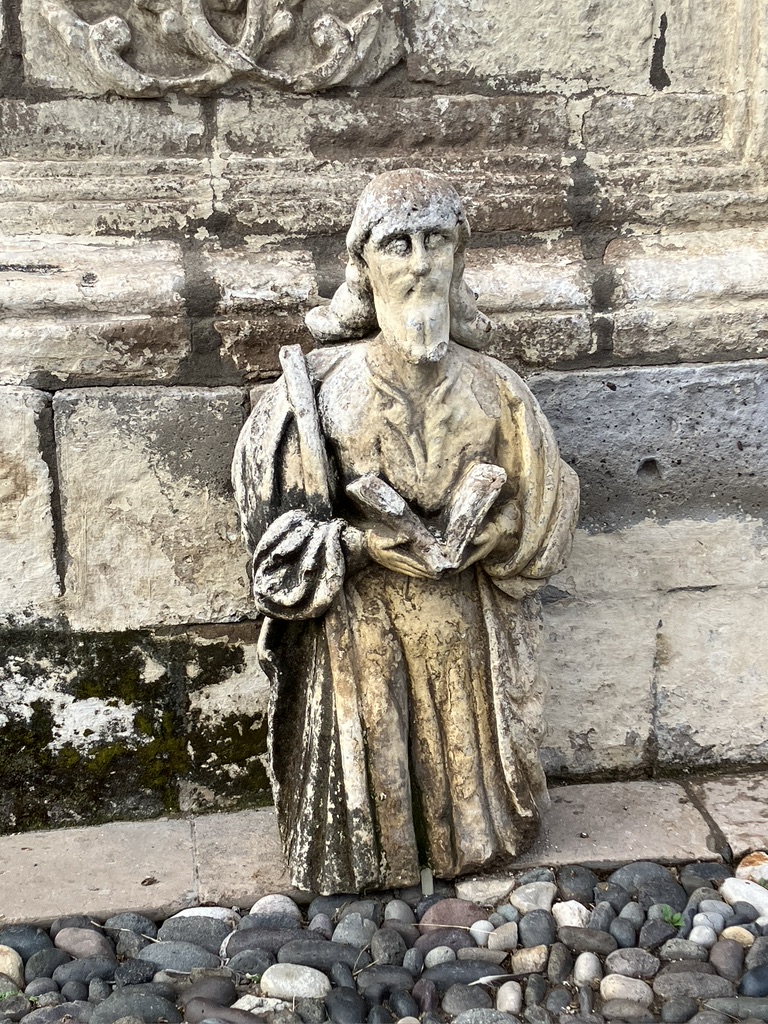
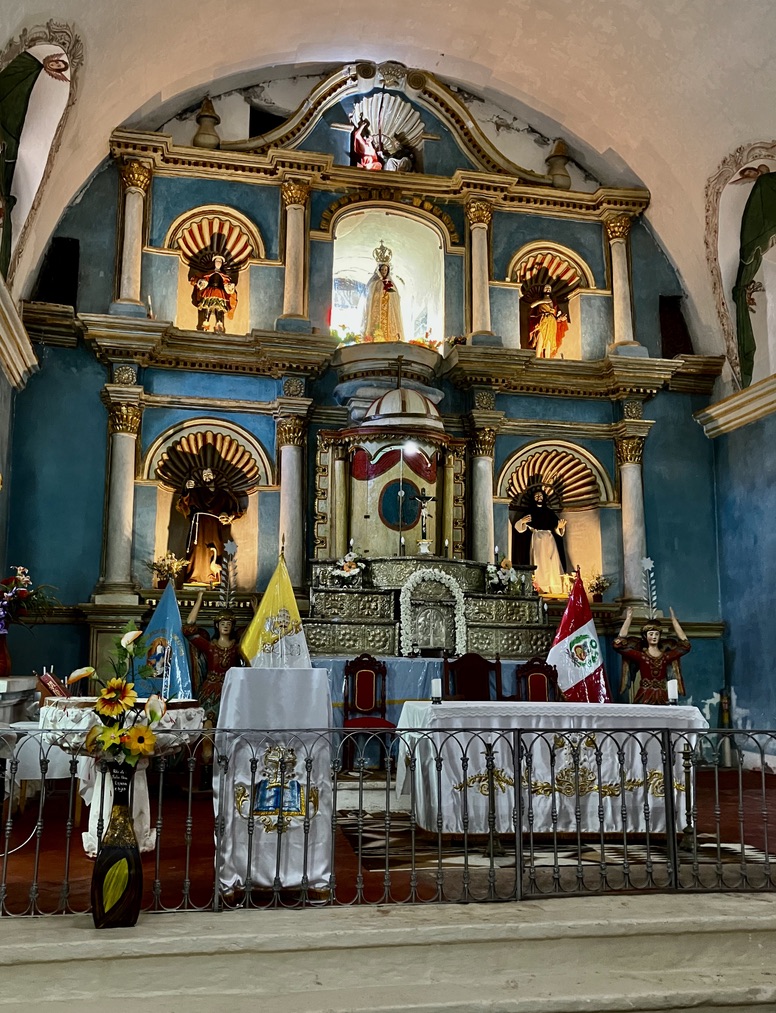
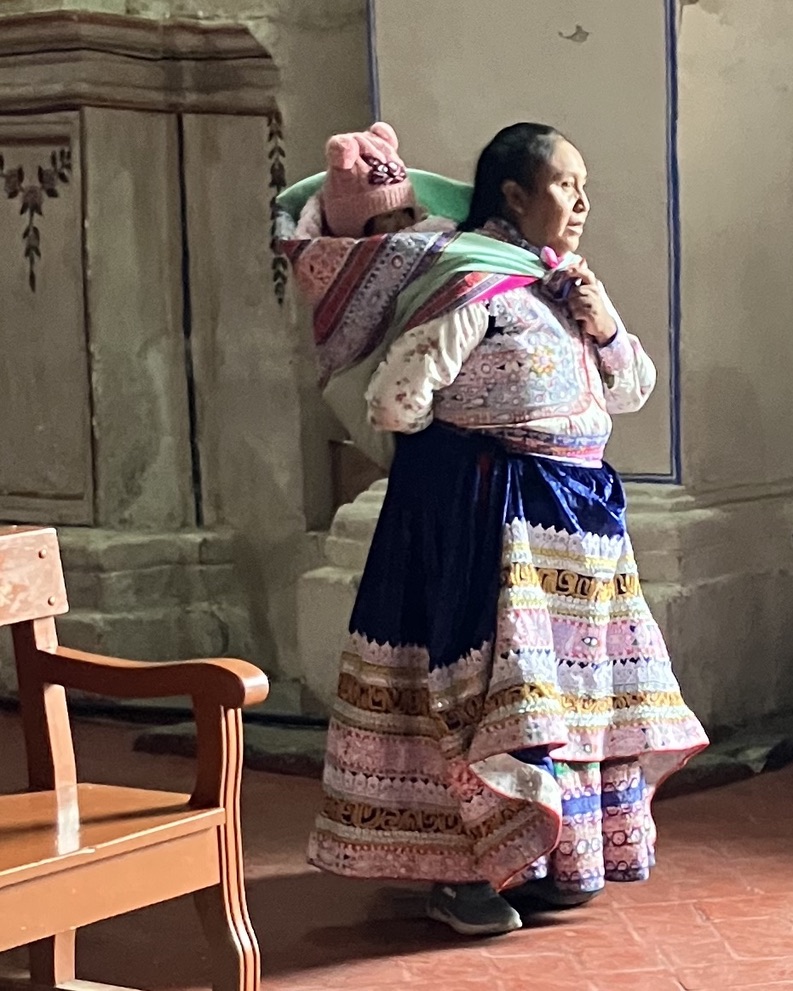
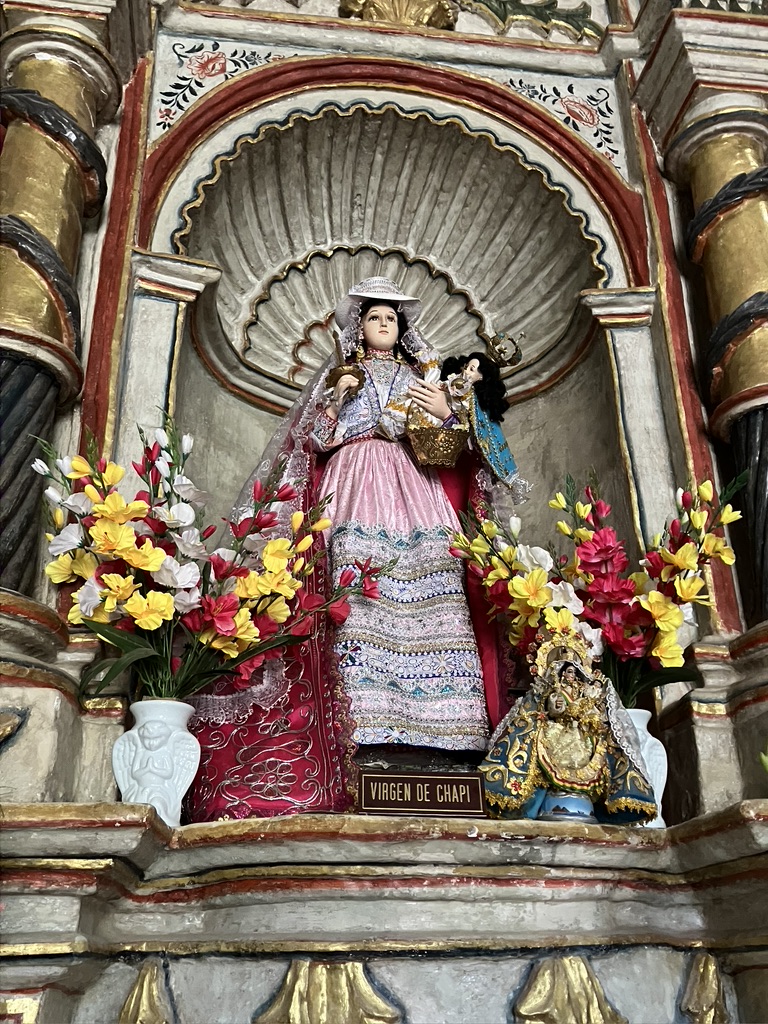
Note the similarities between how a local woman visiting the church is dressed and how she carries her child and the statue of La Virgen de Chapi—The Virgin of Chapi—also known as Our Lady of Candelaria of Chapi (Nuestra Señora de la Candelaria de Chapi), the patron saint of the province of Arequipa.
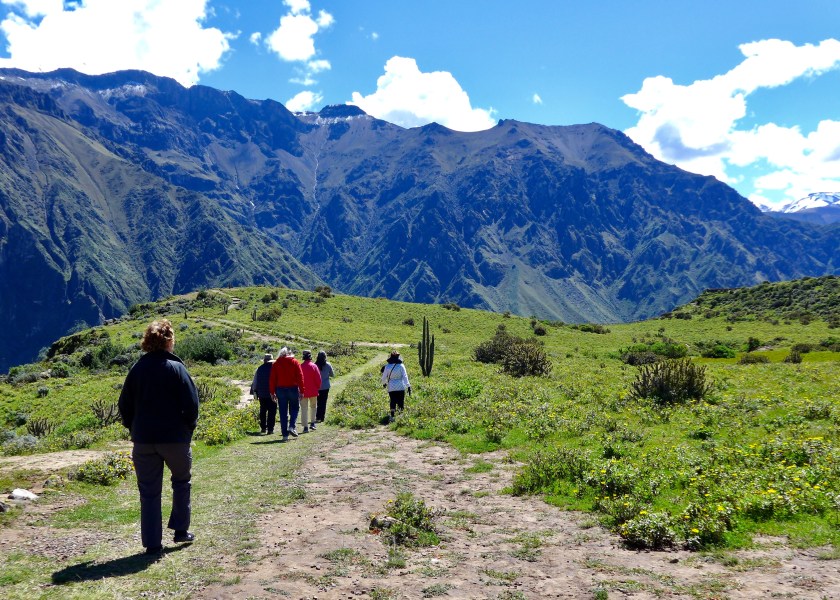
Now then, finally, onward and upward to see some Andean Condors and a short hike above the Colca Canyon and river below.
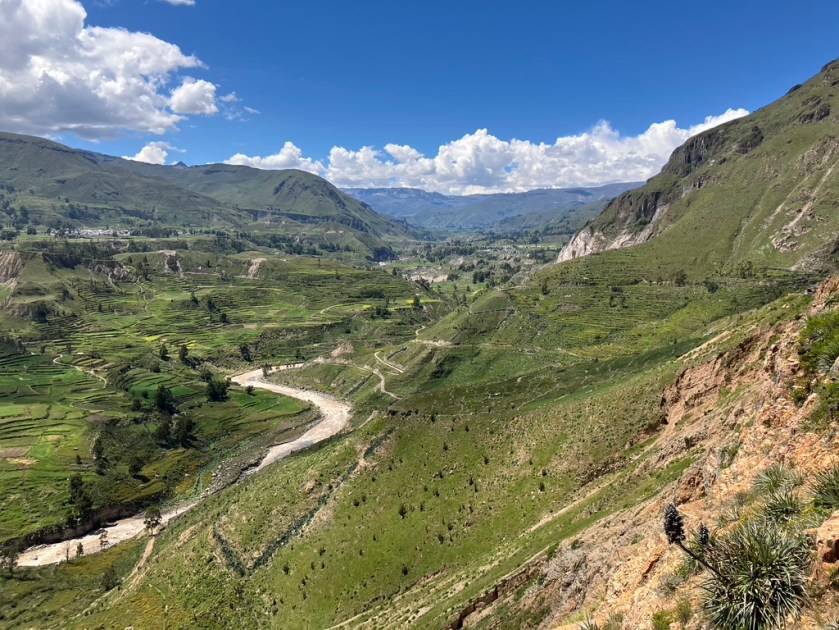
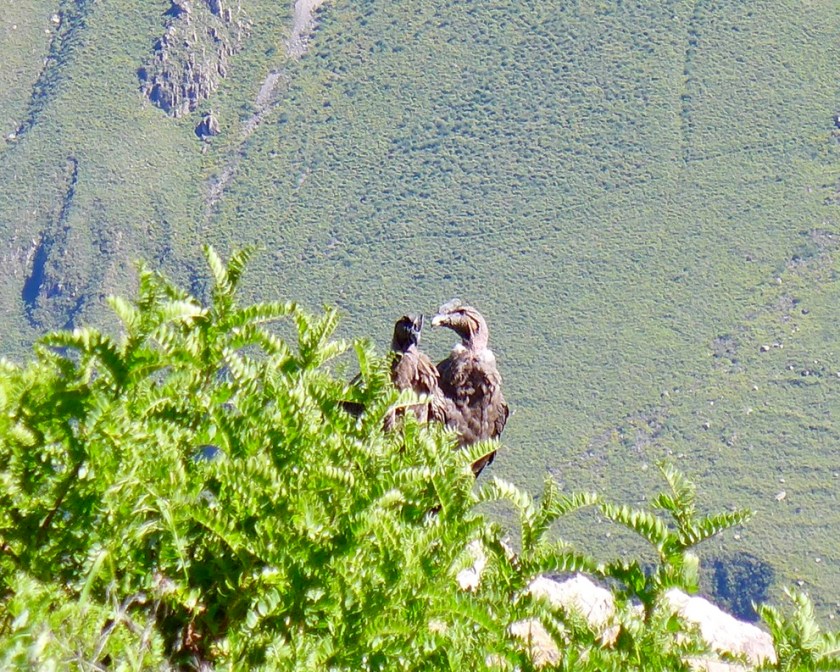
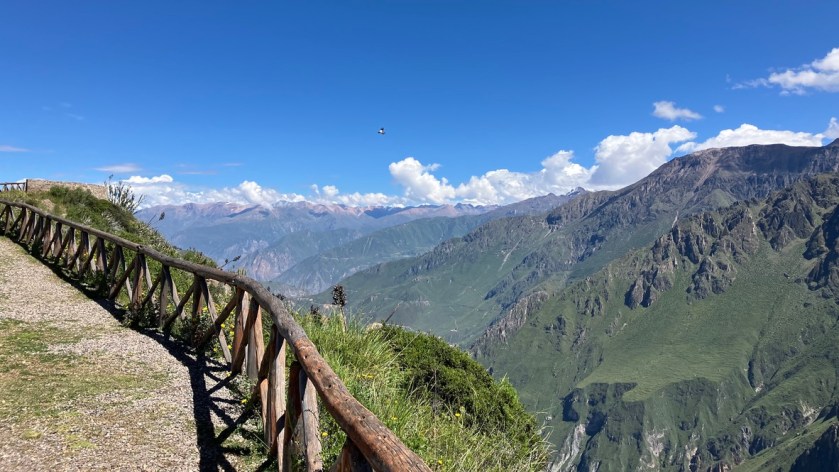
We left the valley, driving up the west side of the canyon en route to the roadside overlooks providing views of Andean Condors. They ride the [relatively] warm updrafts rising up the mountain sides flanking the canyon.
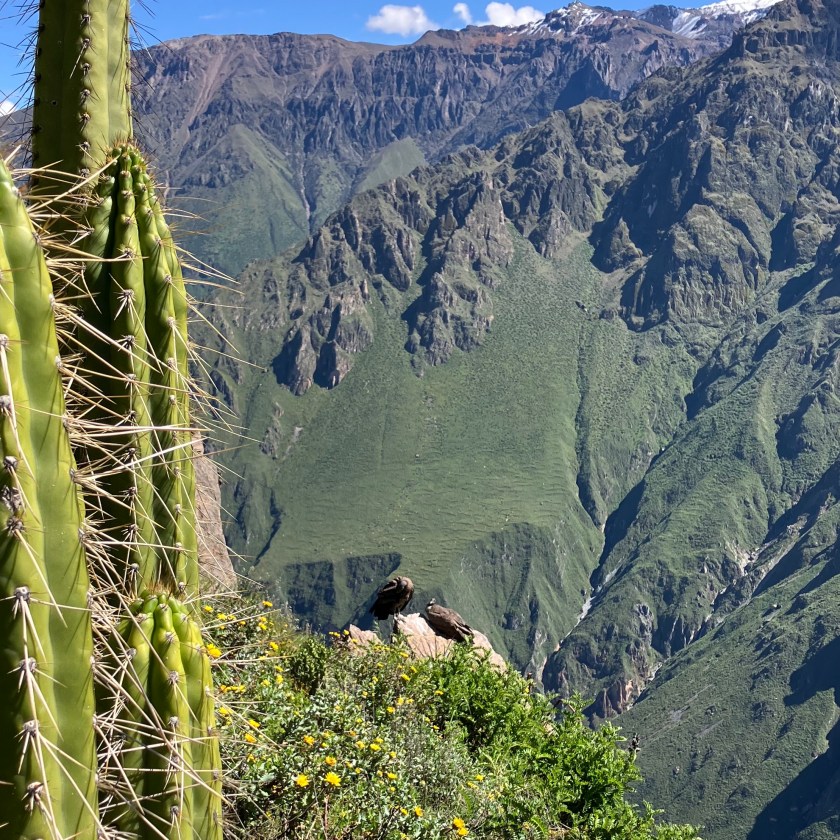
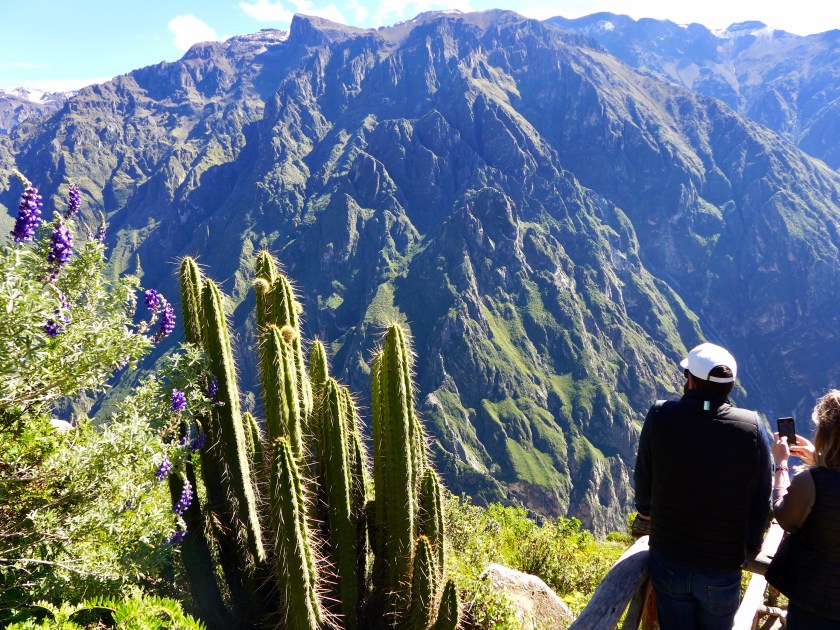
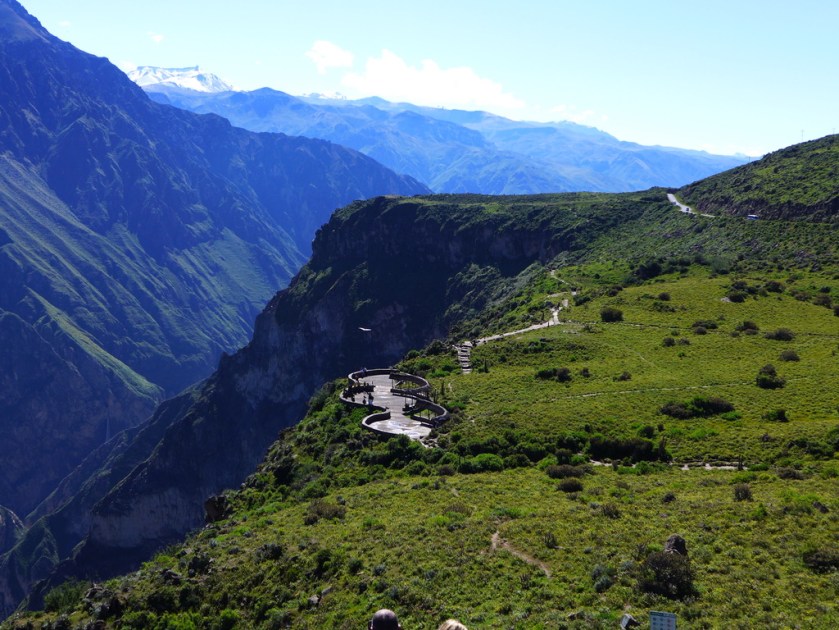
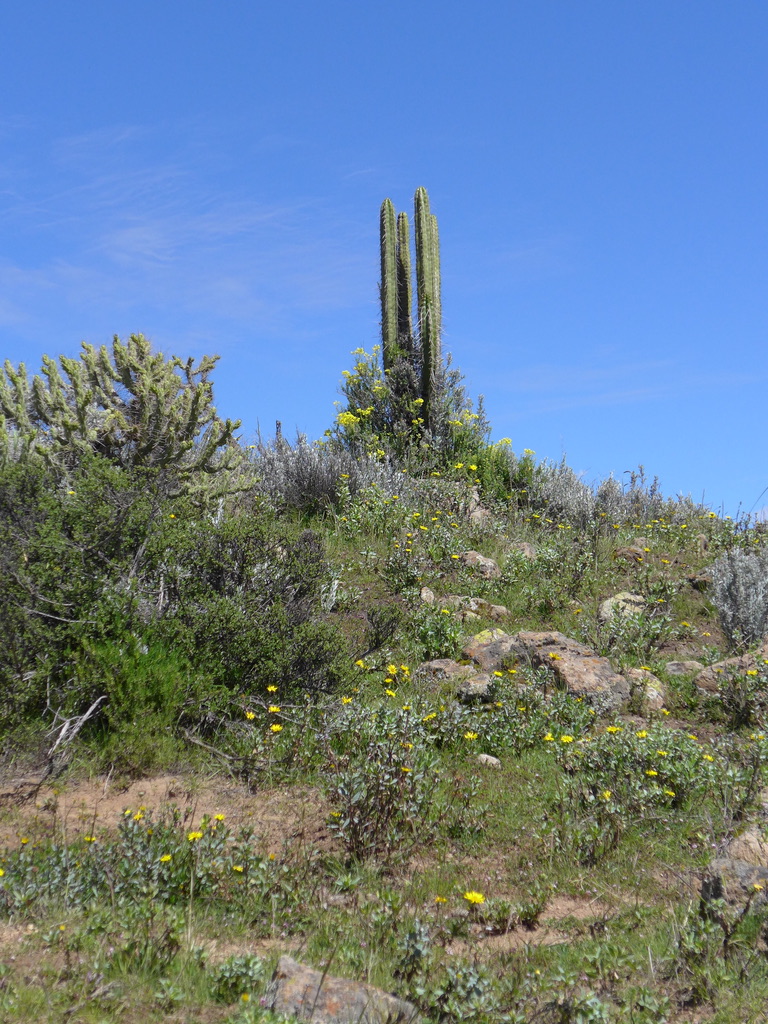
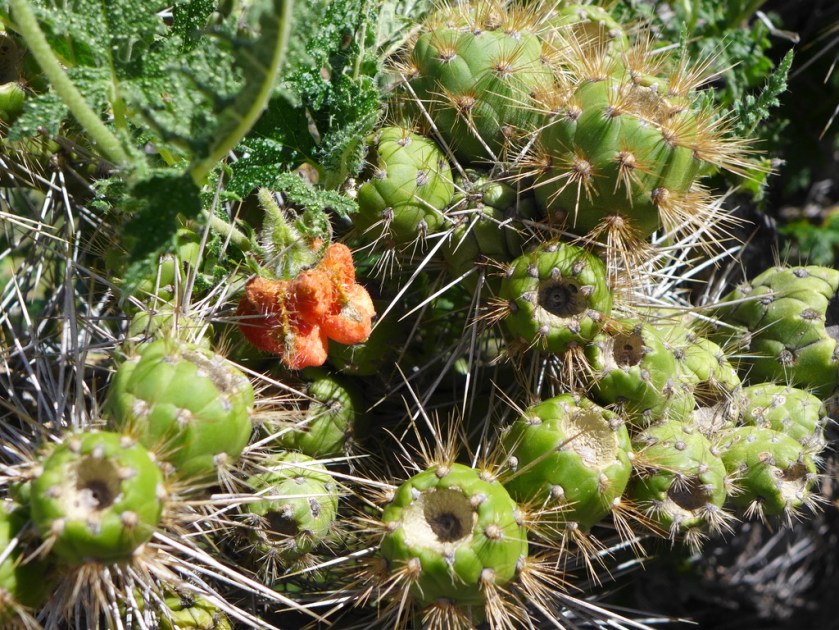
Along the way, we were surrounded by towering and flowering cactii.
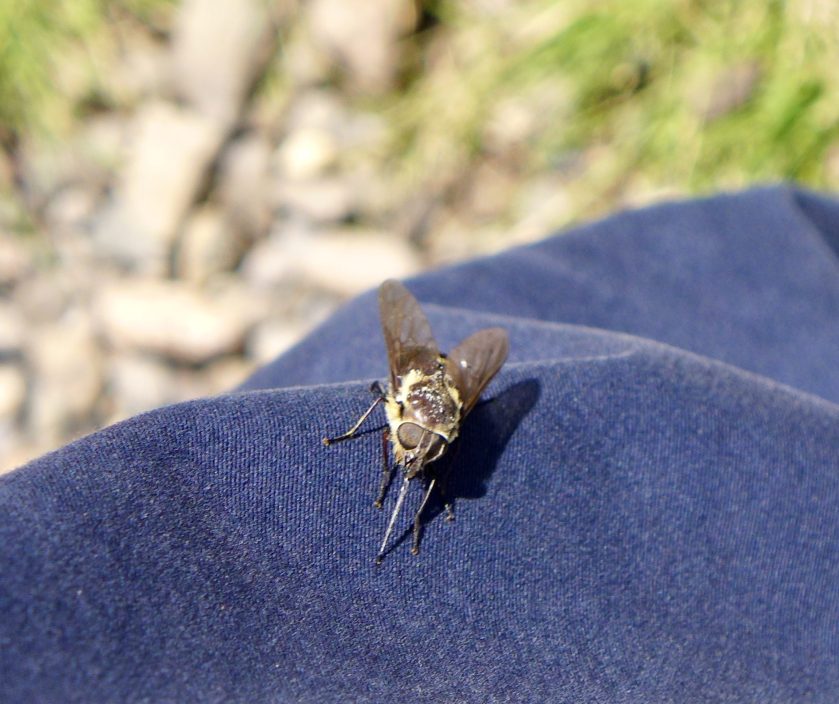
Then, I felt a light touch on my leg and looked down…
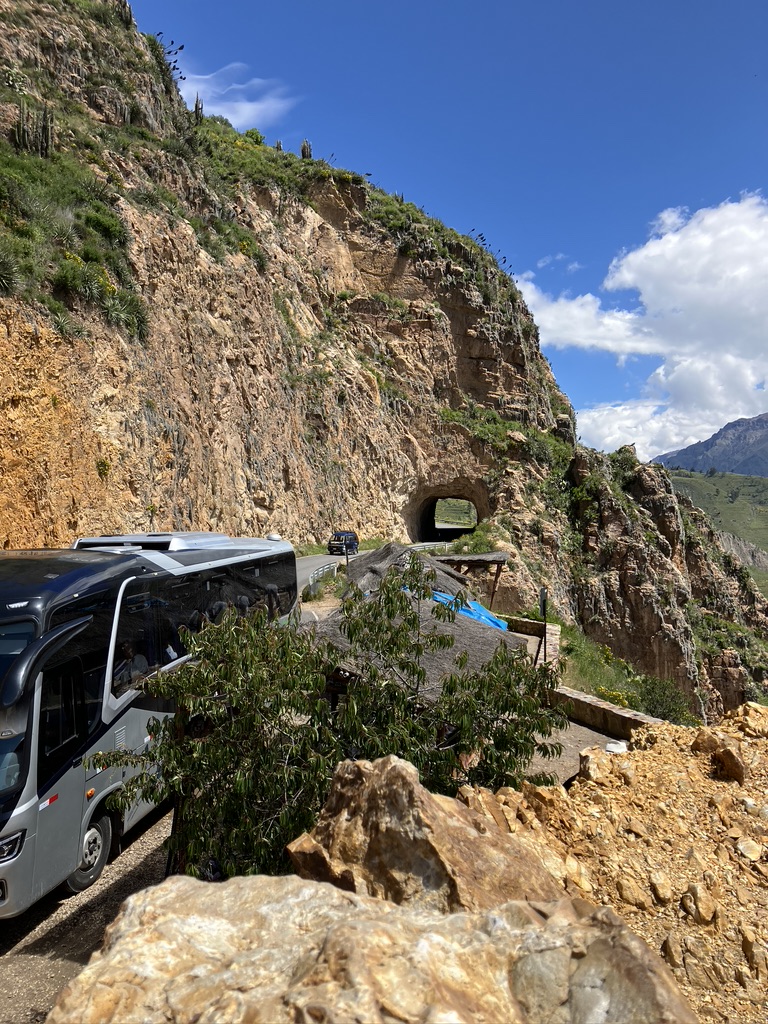
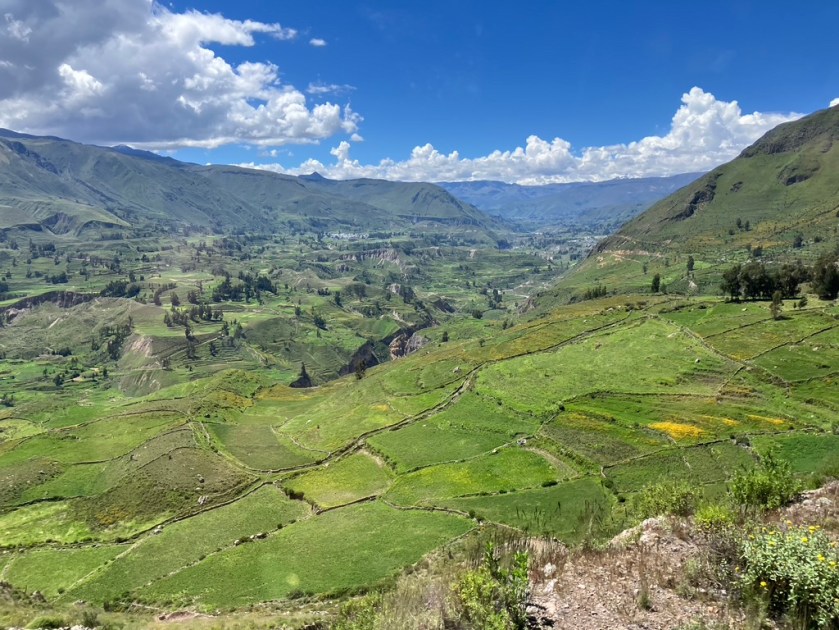
Along the way, we stopped in the village of Maca. It turned out to be more than just a typical Peruvian town—well, perhaps from a foreigner’s perspective.
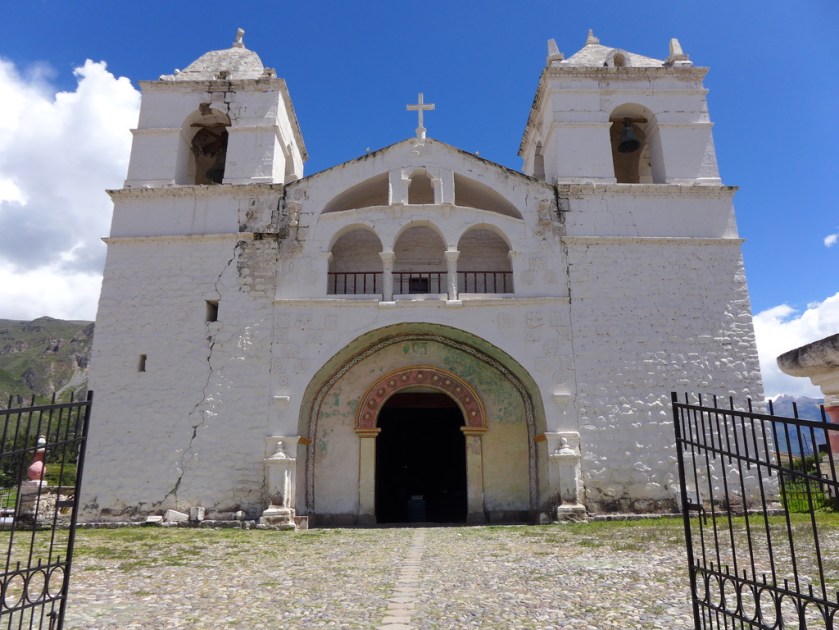
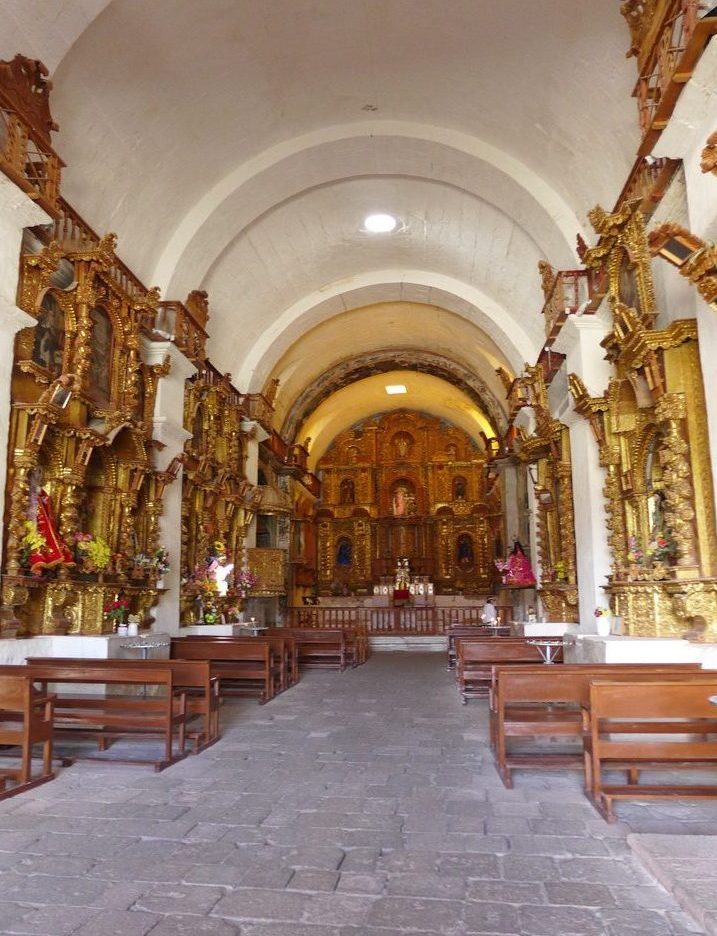
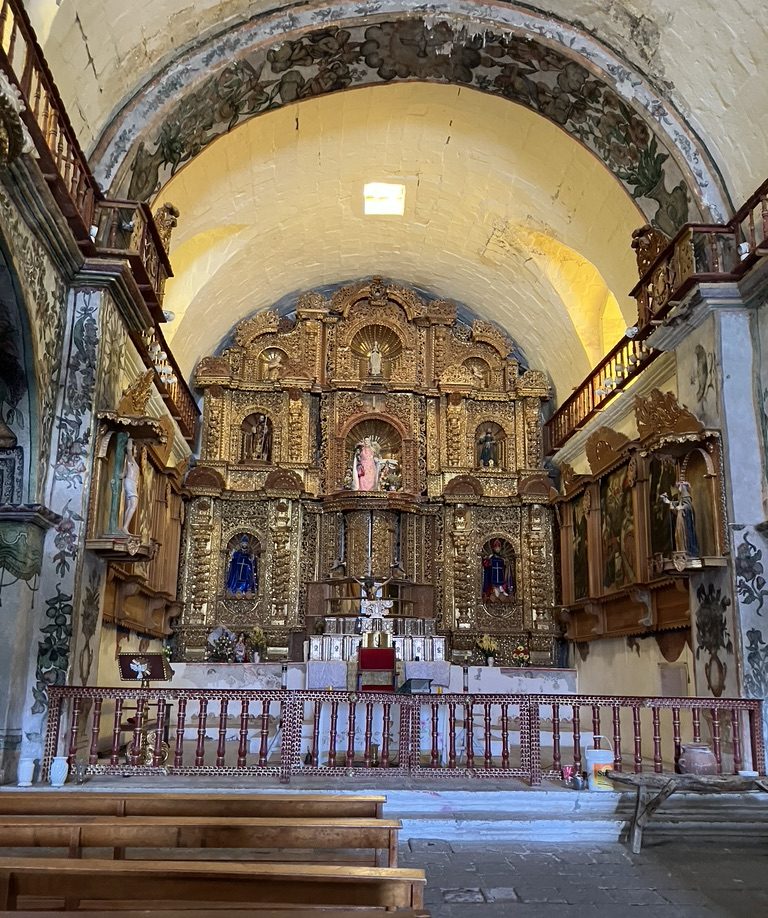
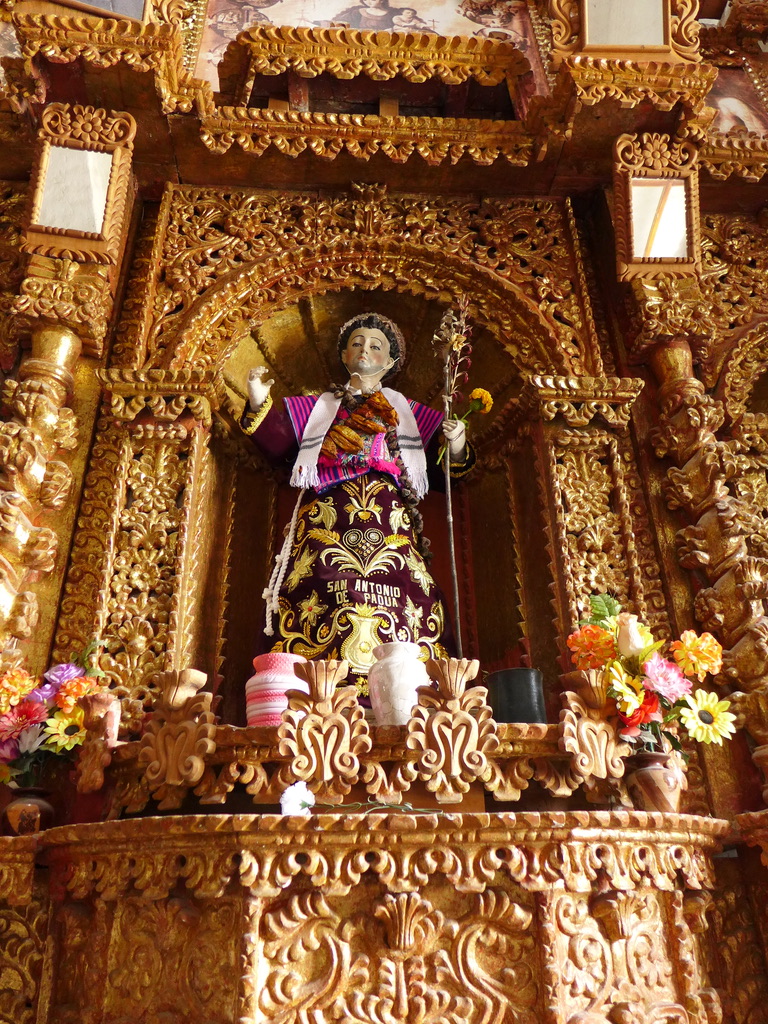
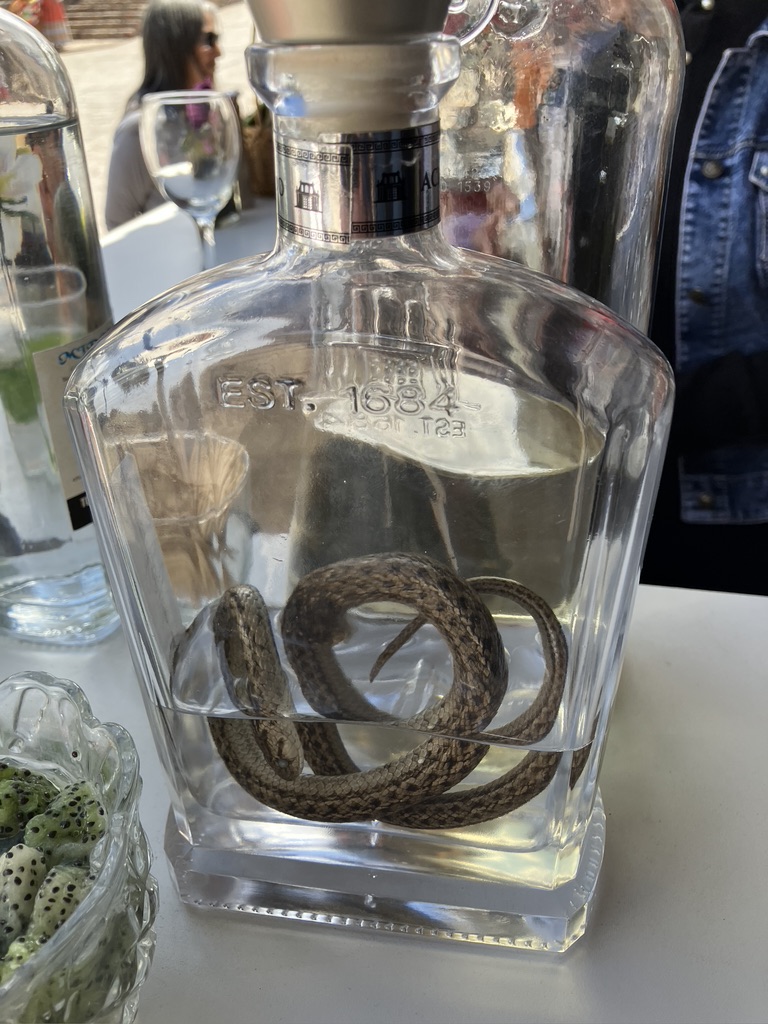
We stopped at a local bar for some refreshment and restrooms. I noticed this bottle of pisco, infused with snake. It puts Mezcal with a mere worm to possible shame! But, try it if you dare. I did not. Nor did any of my travel companions. No risk, no reward.
The central plaza in the village of Maca also offered some surprising sculpture.
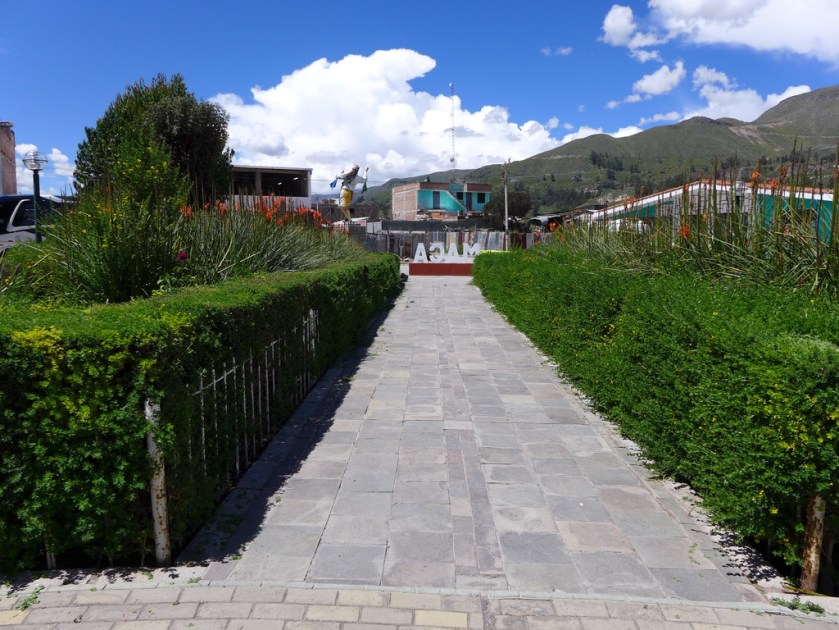
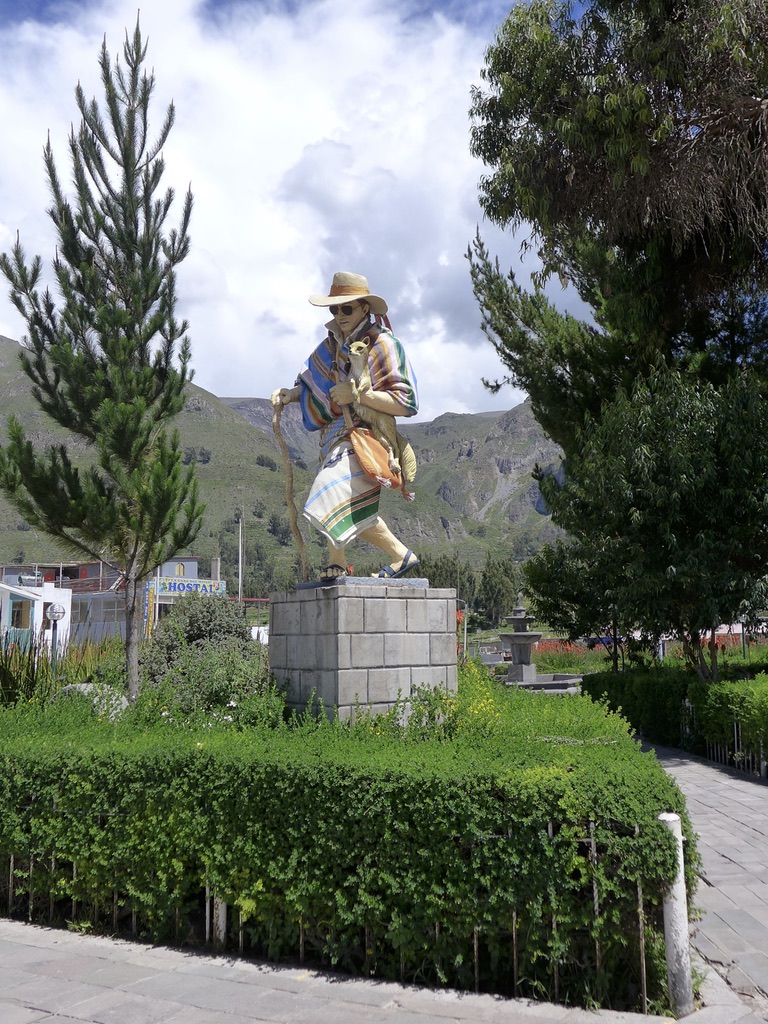
Whatever the inspiration, Maca was a delighful surprise! In fact, I was continually impressed by what I saw throughout Peru. Though I grew up in South America, and have travelled throughout, I had no idea of the breadth, depth, and heights of what awaited us in Peru—its history, architecture, culture, and natural beauty.
From Maca, we made our way back to Arequipa for another short visit before heading north to Nazca, the desert, and the Pacific at the town of Paracas.
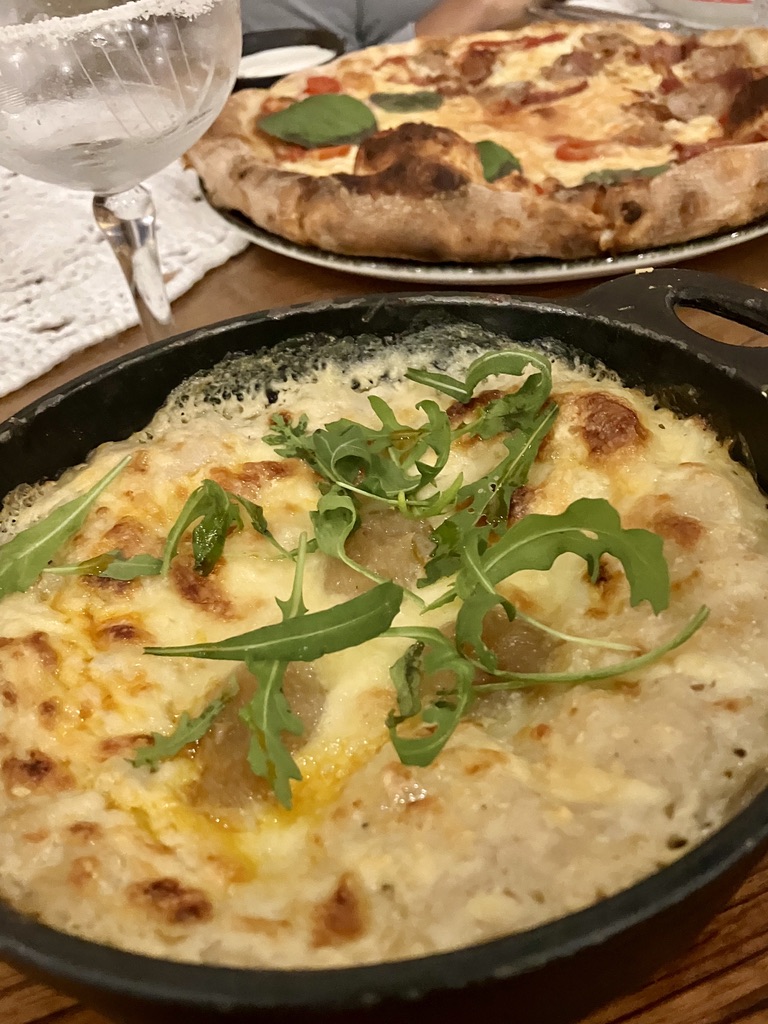
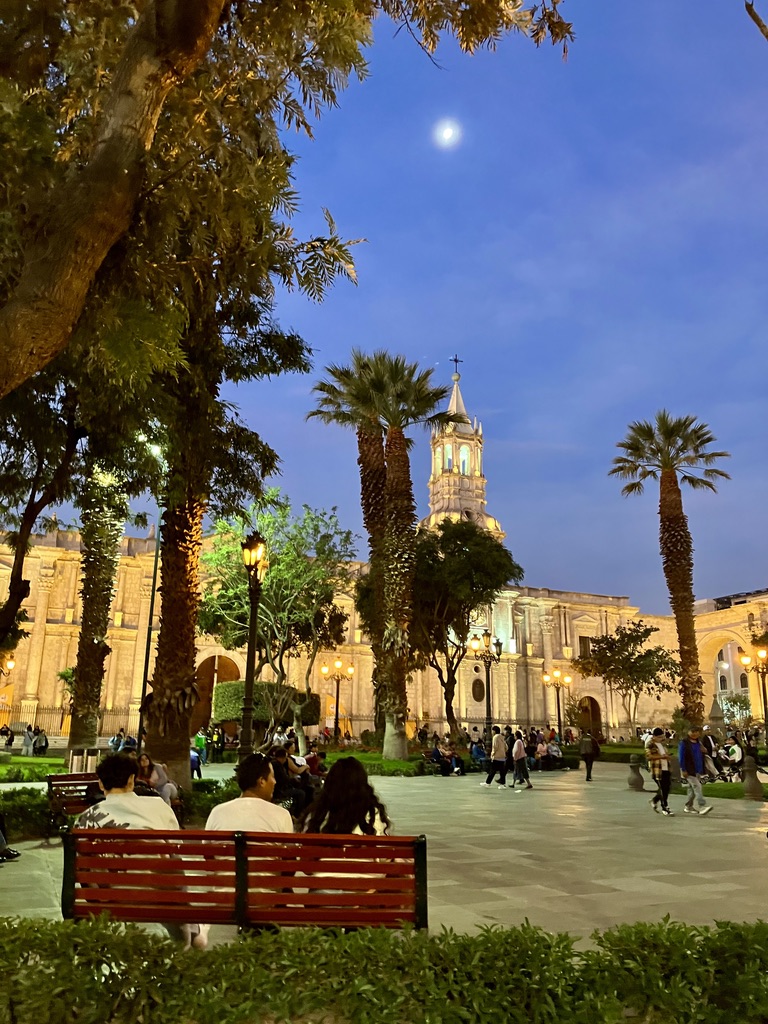
On our last evening, we walked from Hotel San Agustín Posada del Monasterio, to Plaza de Armas, down a side street, and around the corner to Mumis Italian restaurant for a final dinner in the White City of Arequipa.
NEXT: Arequipa to Nazca
 A Finis Terrae