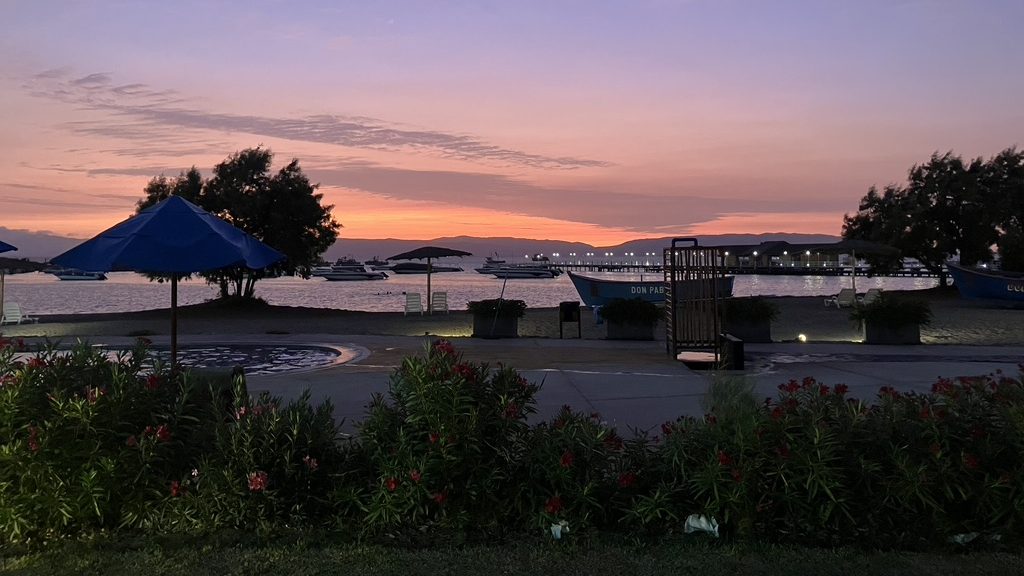
Paracas and Huacachina Oasis in the Atacama Desert
From Nazca, we drove to Paracas on the Pacific Coast. On the way, we made a couple of stops, first for a walk along the Aqueductos de Acacho, an archeological park protecting a group of ancient Inca and pre-Inca aqueducts still in use to this day.
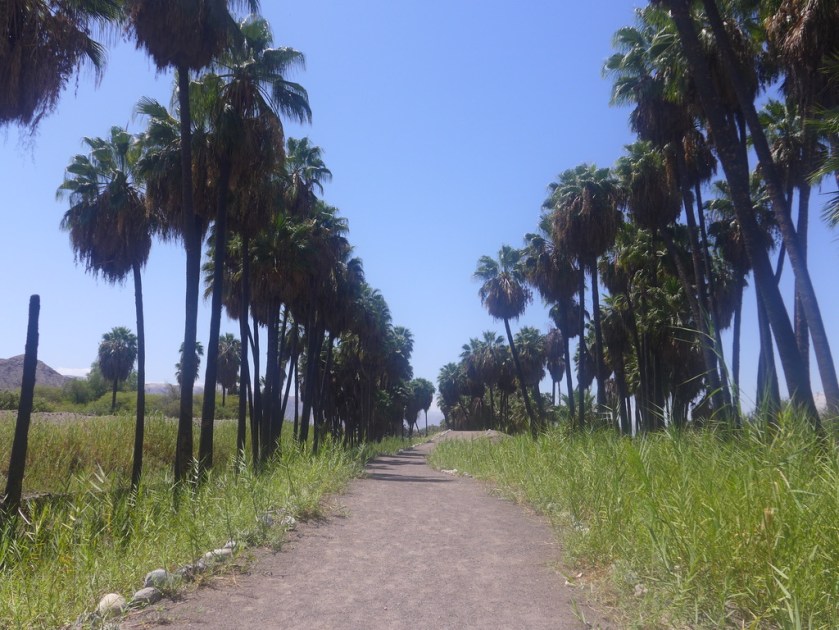
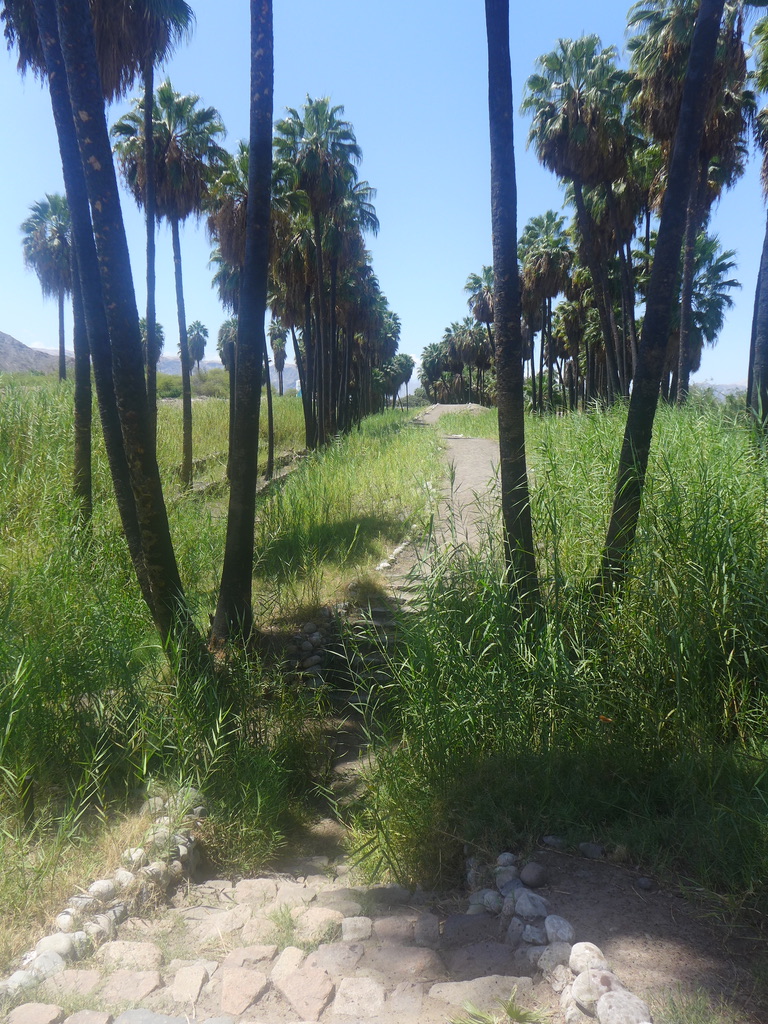
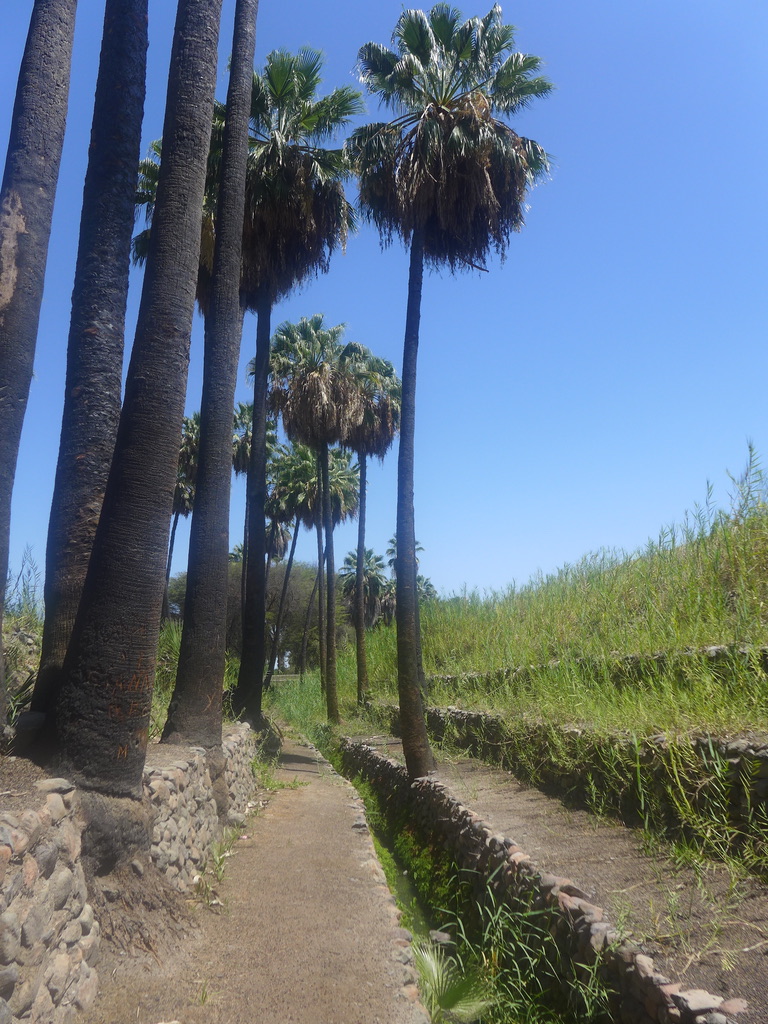
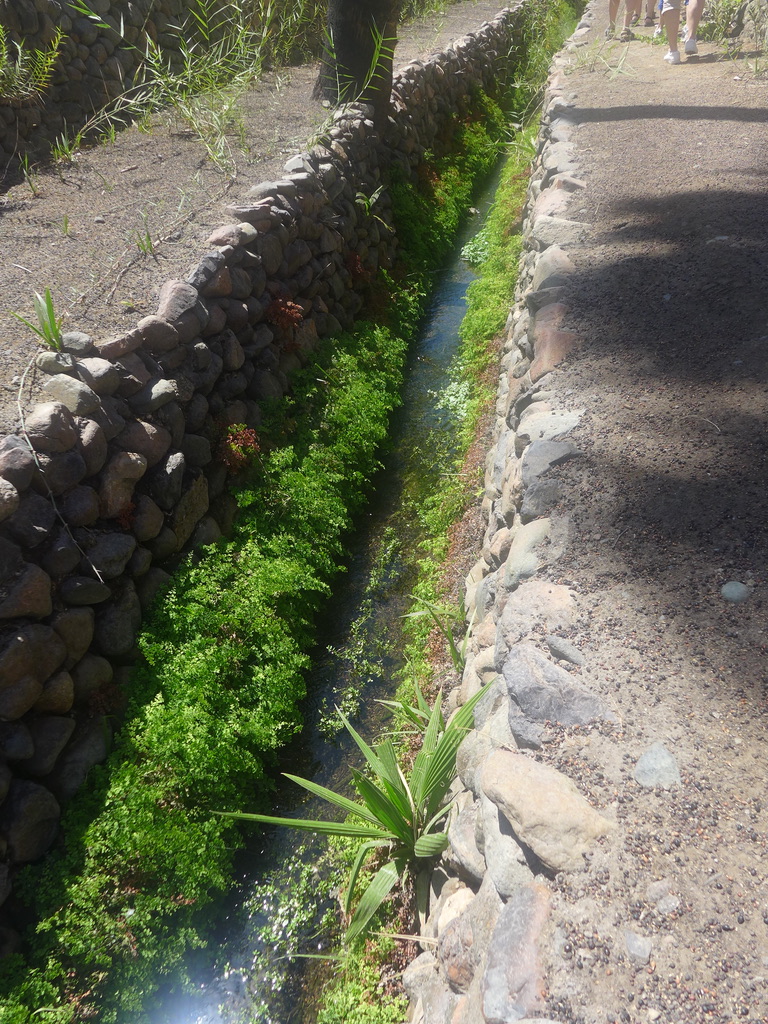
As the day and our drive from Nazca toward the Pacific Ocean went on, we stopped for lunch in the town of Palpa then, refreshed, drove the final leg to the town of Paracas.
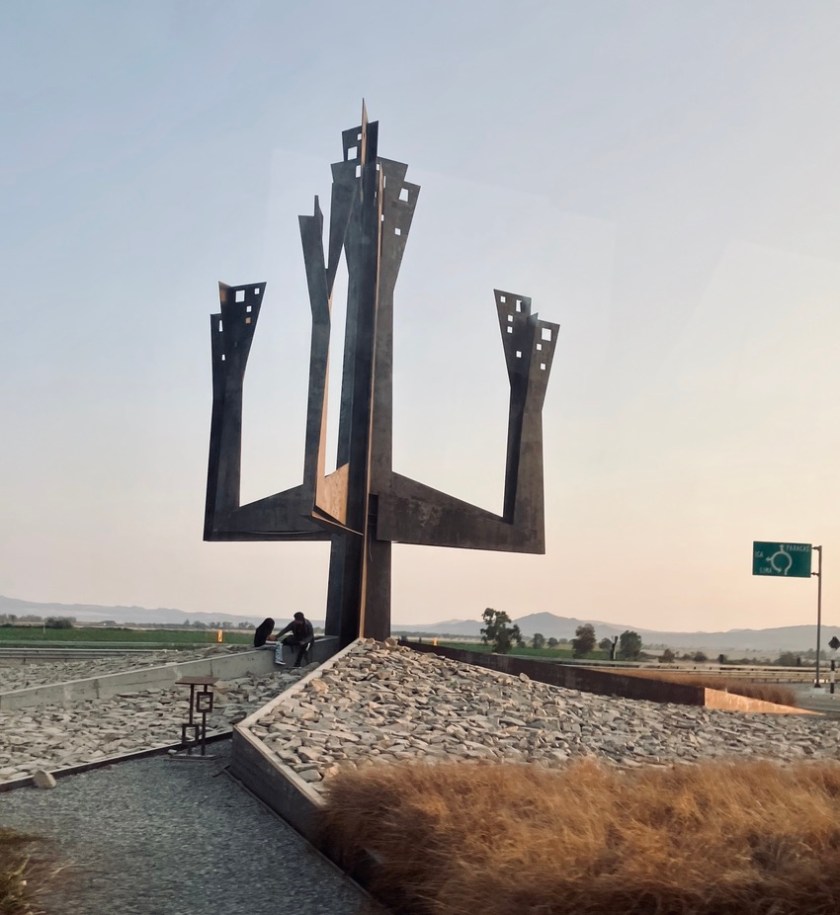
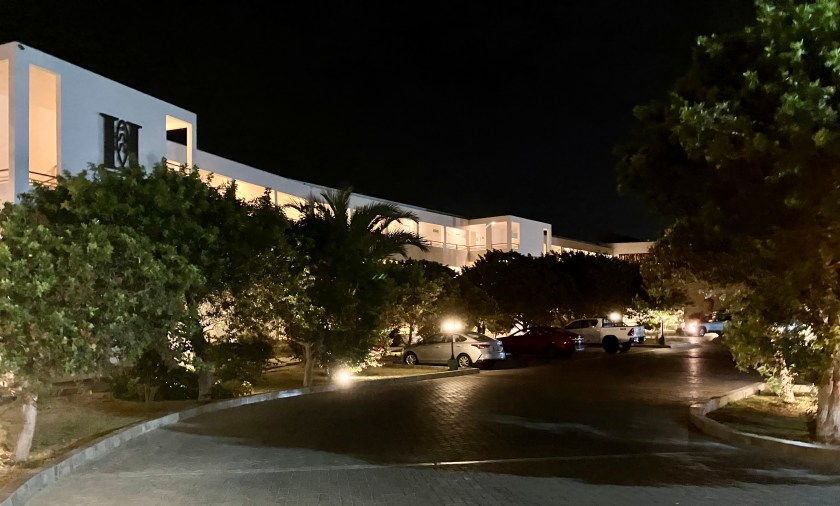
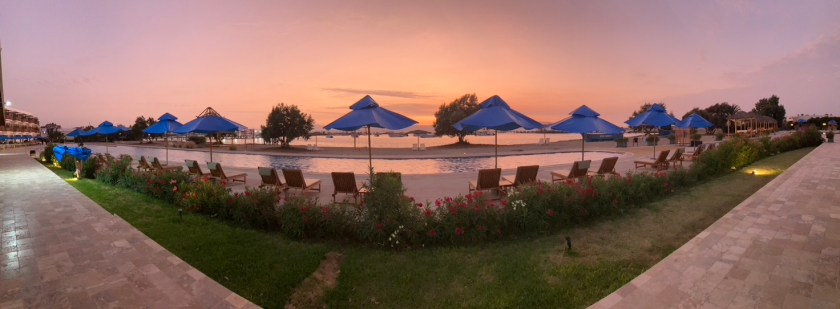
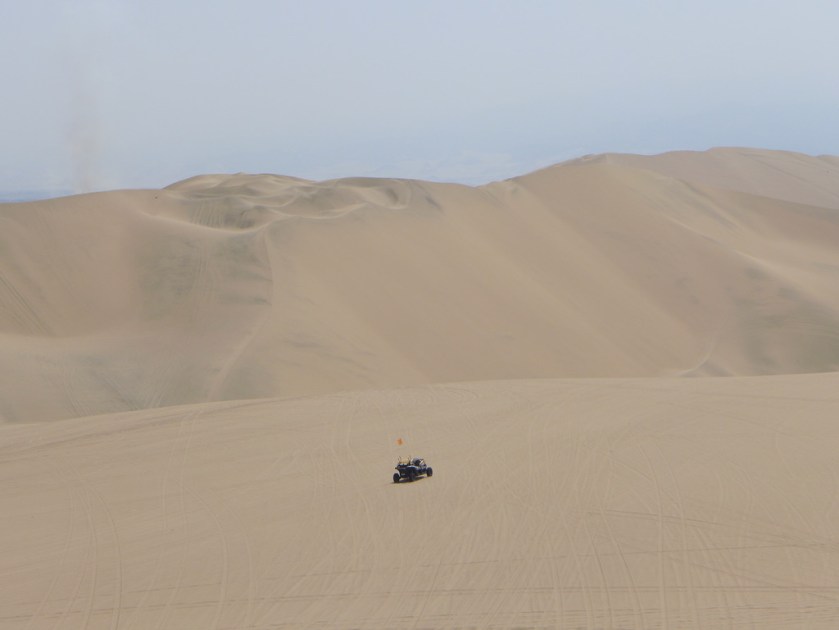
The next morning after breakfast at the hotel, we drove west, inland to Huacachina Oasis village to start the day with a dune buggy ride through an area of massive sand dunes.
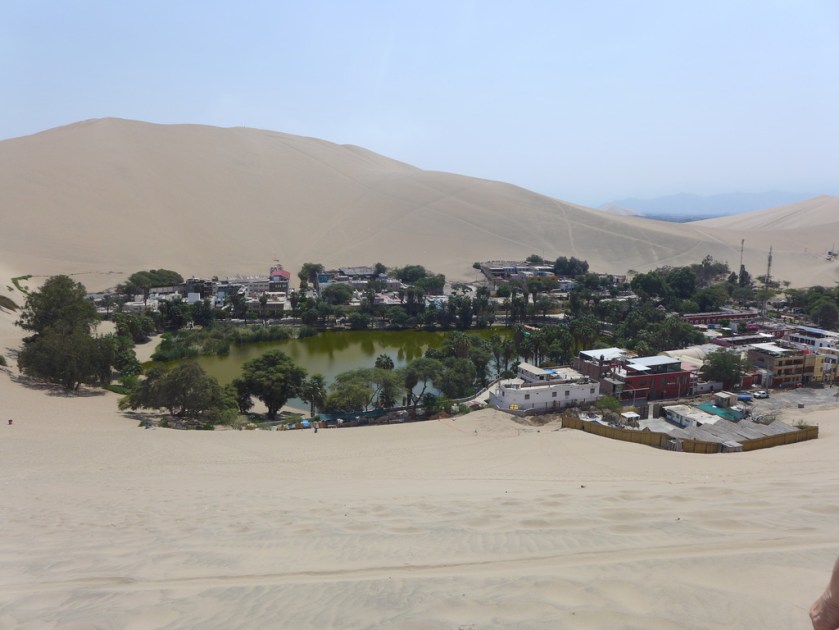
Huacachina Oasis sits in the middle of a desert of sand dunes just inland from the ocean.
After a safety briefing and outfitting with hats, water bottles, and sunscreen, we boarded our assigned dune buggies.
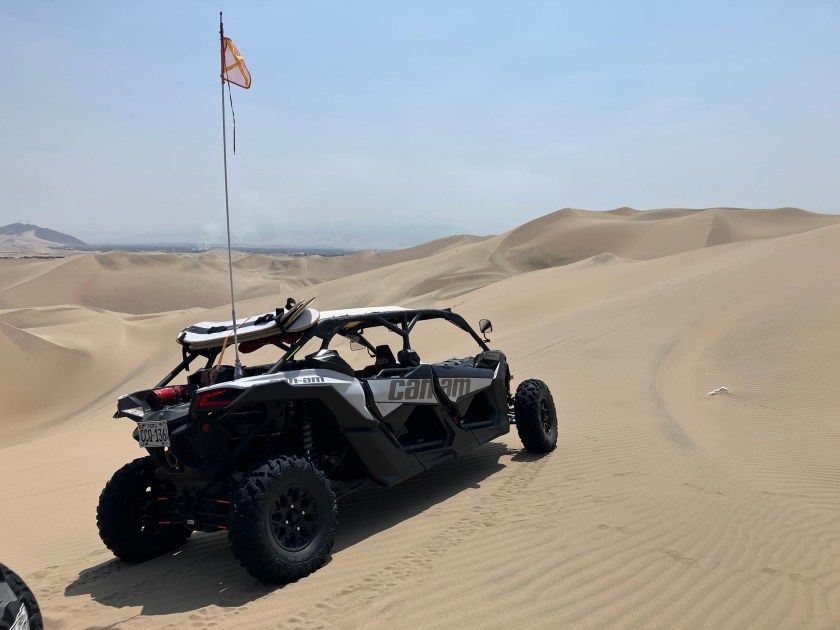
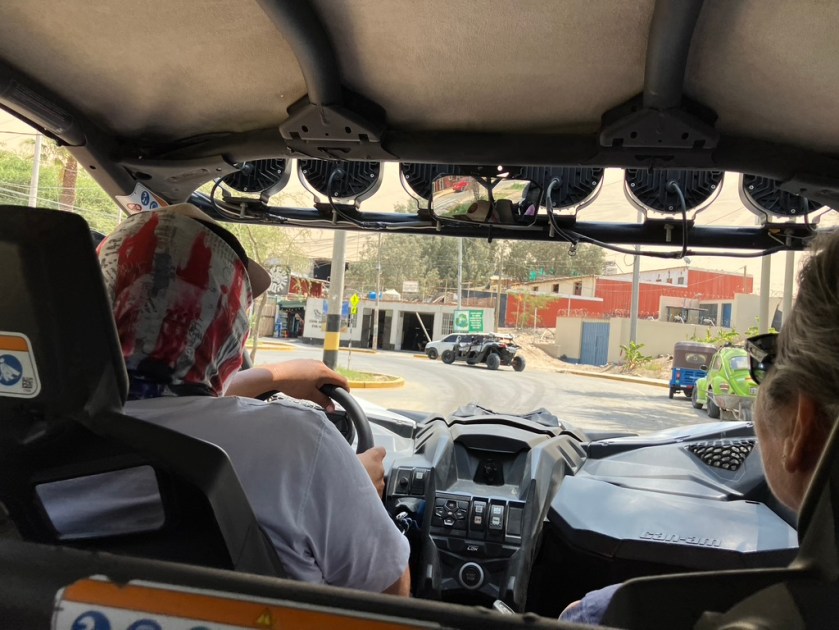
The buggies were expertly piloted by friendly drivers who, despite how many times they must have driven the route, appeared to enjoy themselves as much as we did.
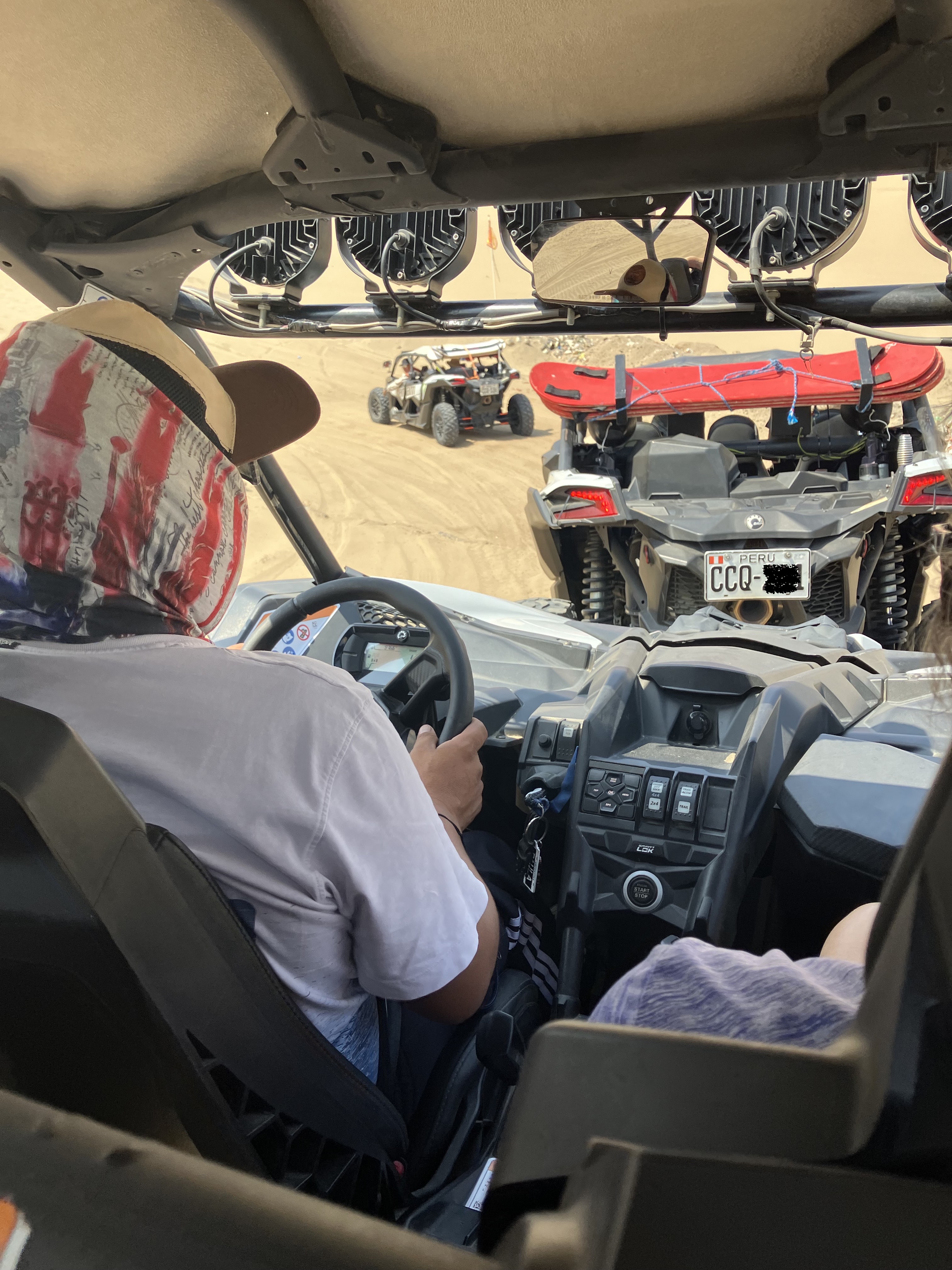
Along the way, we stopped for a close encounter with the sand.
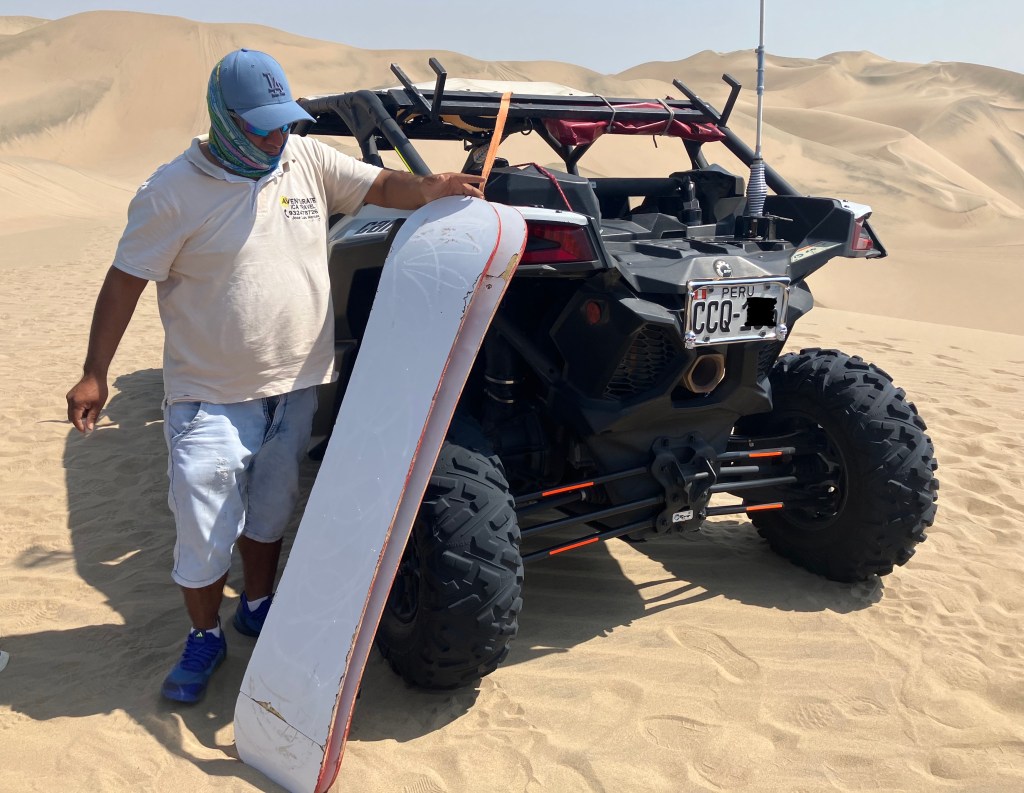
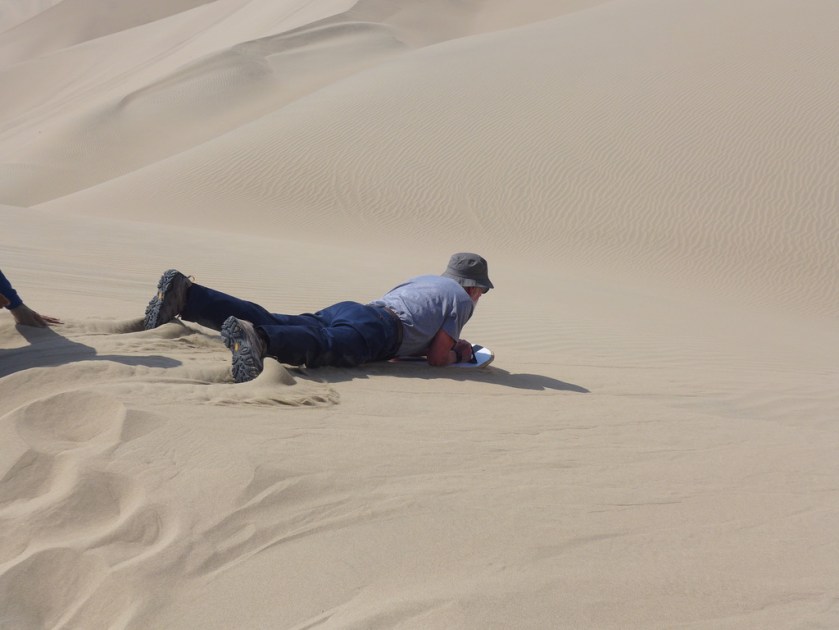
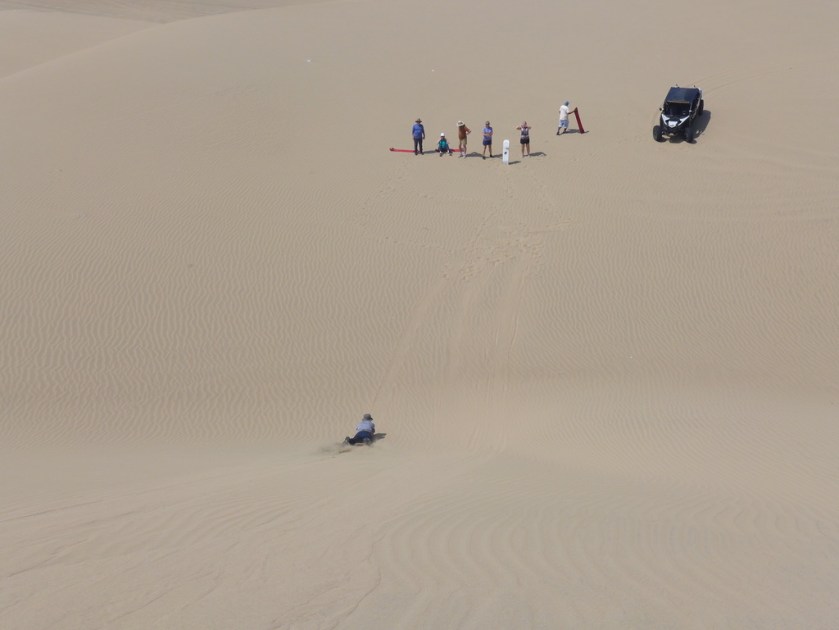
After everyone took a turn at sliding down the dune, it was off again for more joy-riding, and back to Huacachina Oasis village and the dune buggy depot.
A short way from the oasis, we followed up our flight over the Nazca Lines with a visit to the former home and laboratory, now museum, of Dr. Maria Reiche Grosse-Neumann. She was a German who moved to Peru where she worked first as a mathematician, archaeologist, and technical document translator. She became fascinated with the Nazca Lines which she had first encountered circa 1941. She identified, catalogued, and studied them. She became renown for her persistent, exhaustive research of the Lines, their history and the methods and motivations of the people who created them.
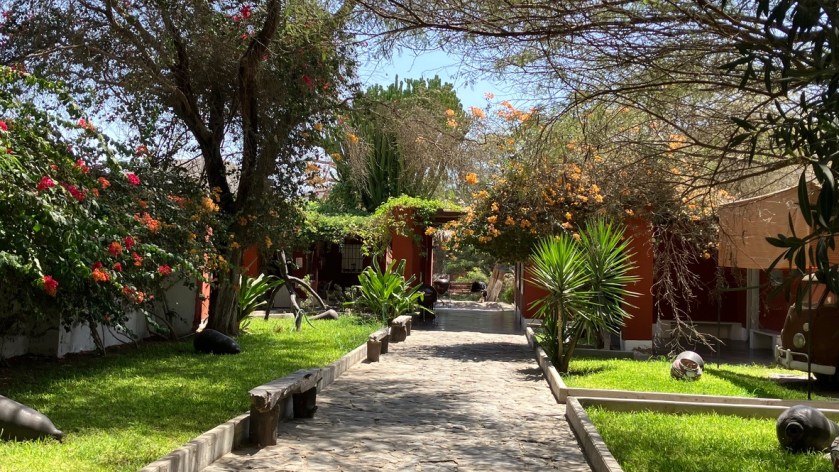
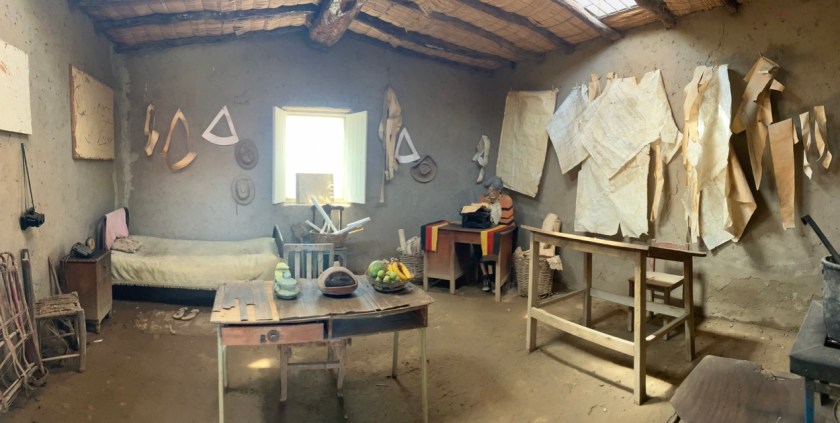
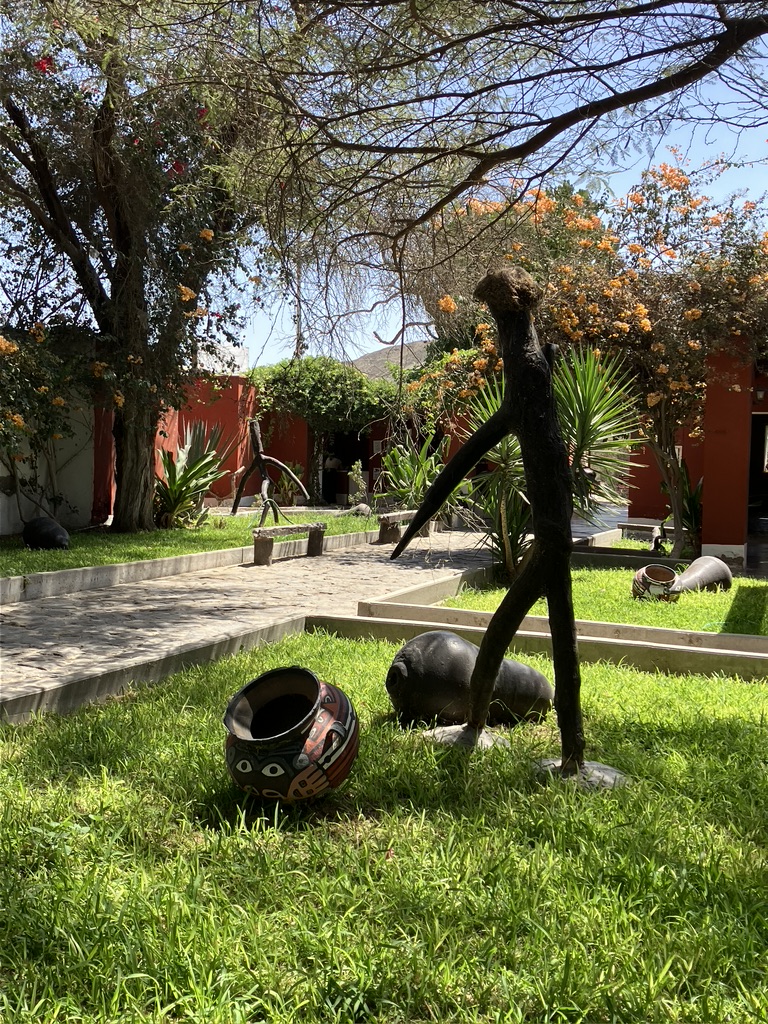
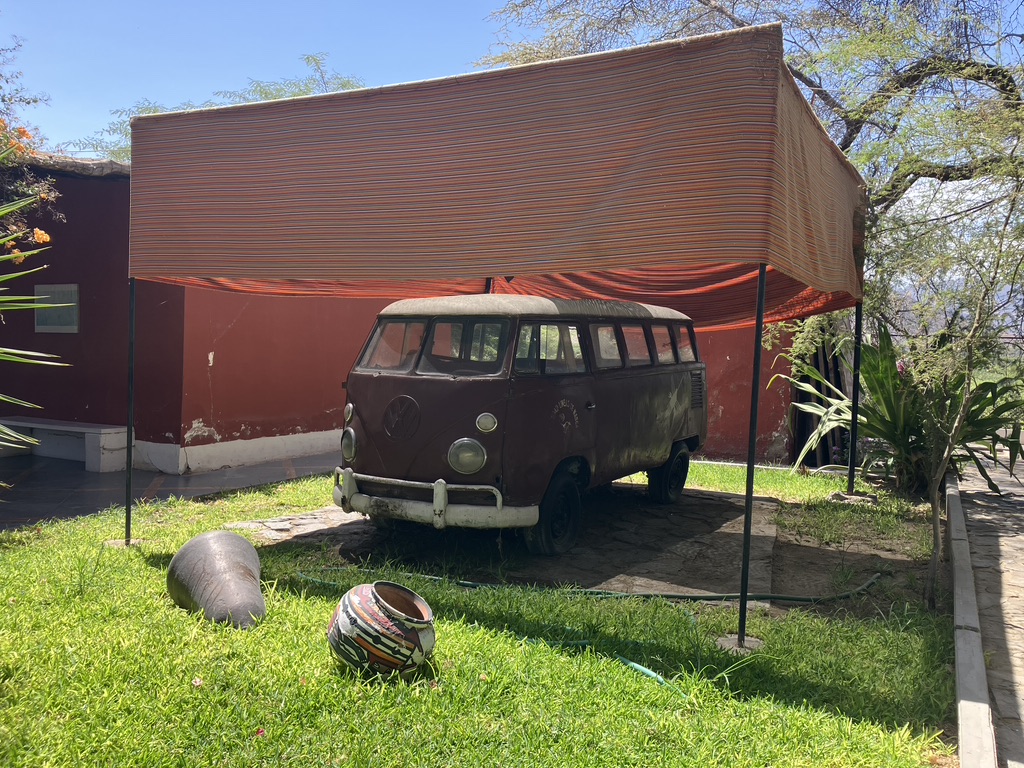
Some of Dr. Reiche’s collection of artifacts and her VW Microbus
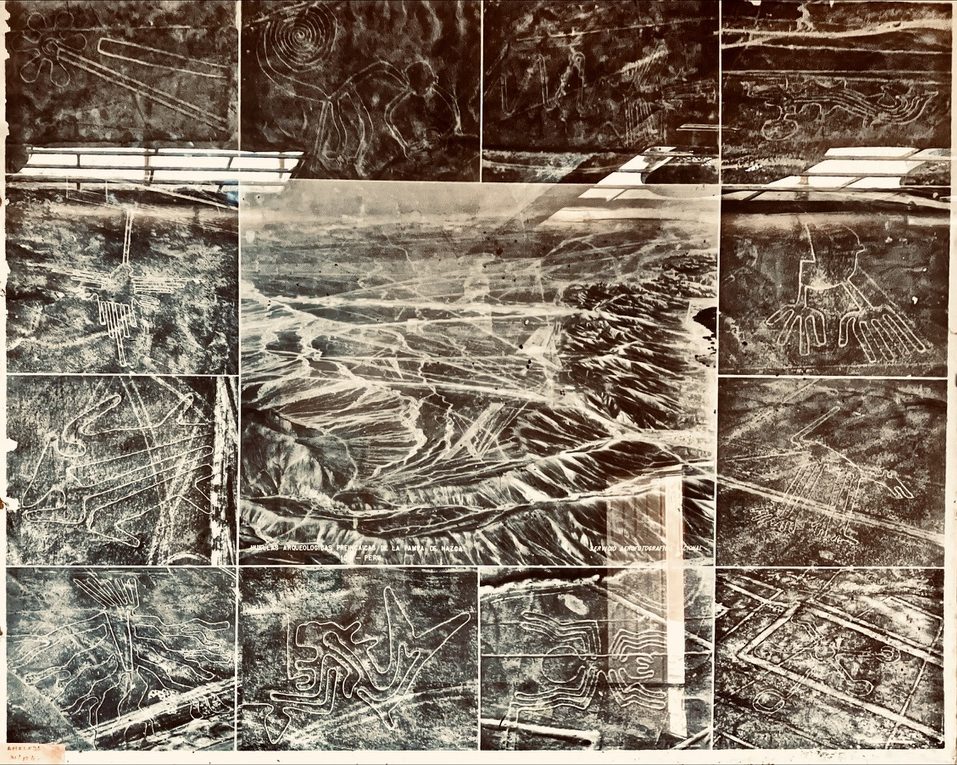

Next, onto the regional museum—Museo Regional de Ica—where some unusual mummies and skulls are preserved.
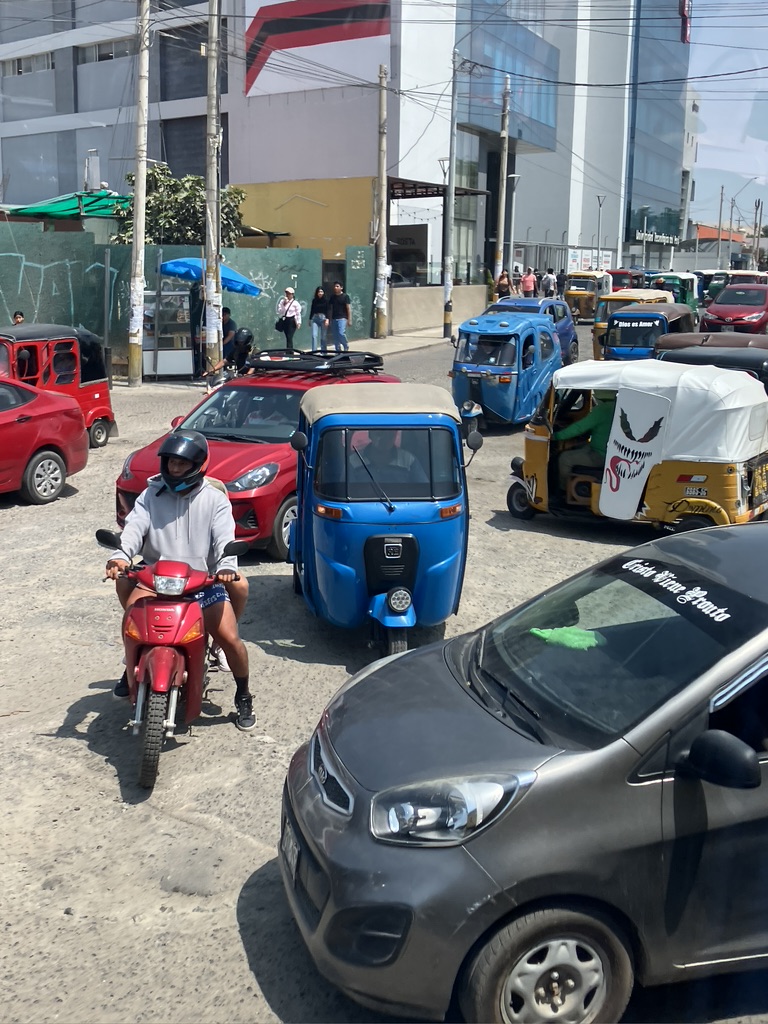
Our driver deftly maneuvered through the busy streets and intersections of the bustling town of Ica. Note the three-wheel tuk-tuks serving as taxis, cargo transport, work trucks, and tour buses.
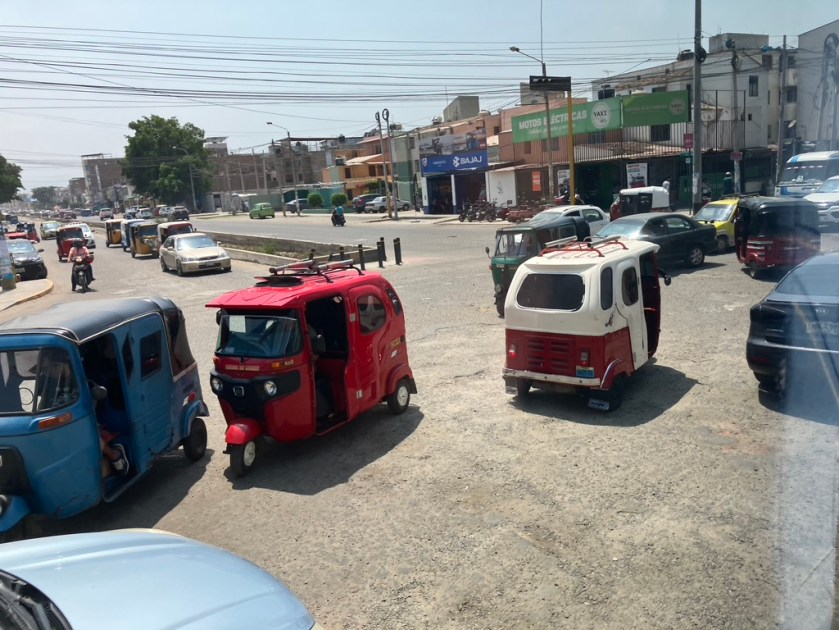
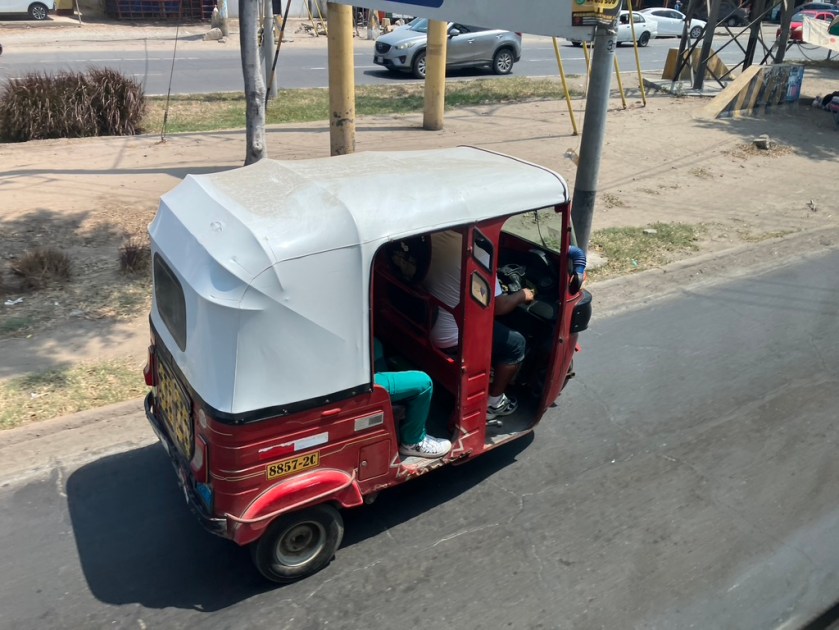
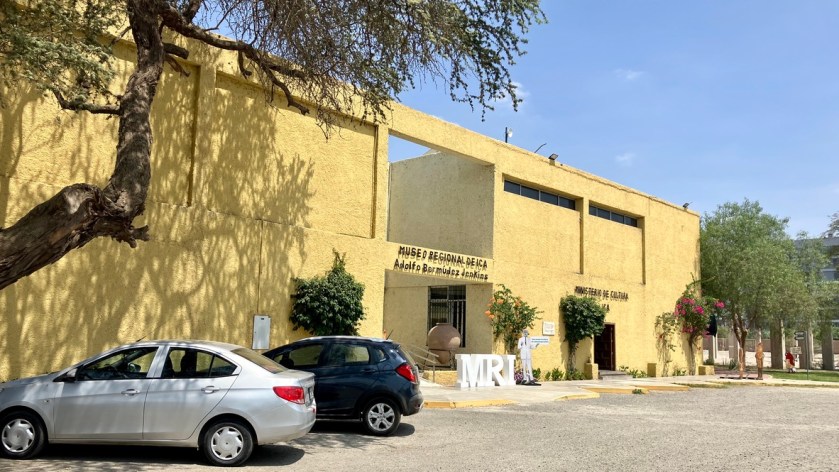
Following that amusing ride through town, we arrived at the museum.
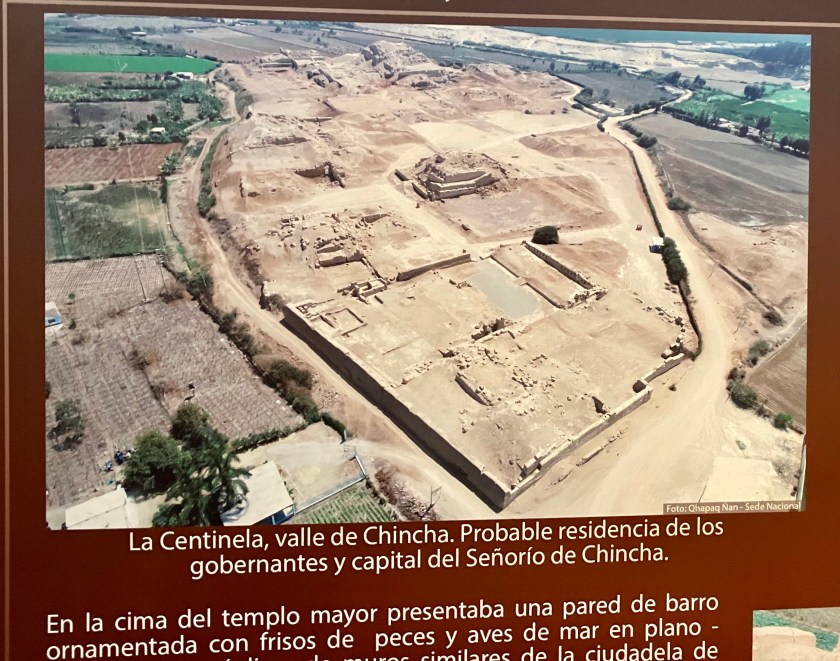
One of the first things I noticed was this sign that explained a little about where many of the artifacts in the museum came from—Valle de Chincha—a high valley where the Inca and earlier tribes built cities as impressive as many of the Inca sites we had see up to that point. The exhibit above shows a walled, hilltop complex called La Centinela. It is believed to be the residence of the governors of the settlements at Chincha. Its walls were topped with friezes depicting an array of ocean birds and fish. But it appeared that the most treasured artifacts in the collection were the mummified remains of people, mostly of higher rank and privilege, bundled in layers of rich textiles.
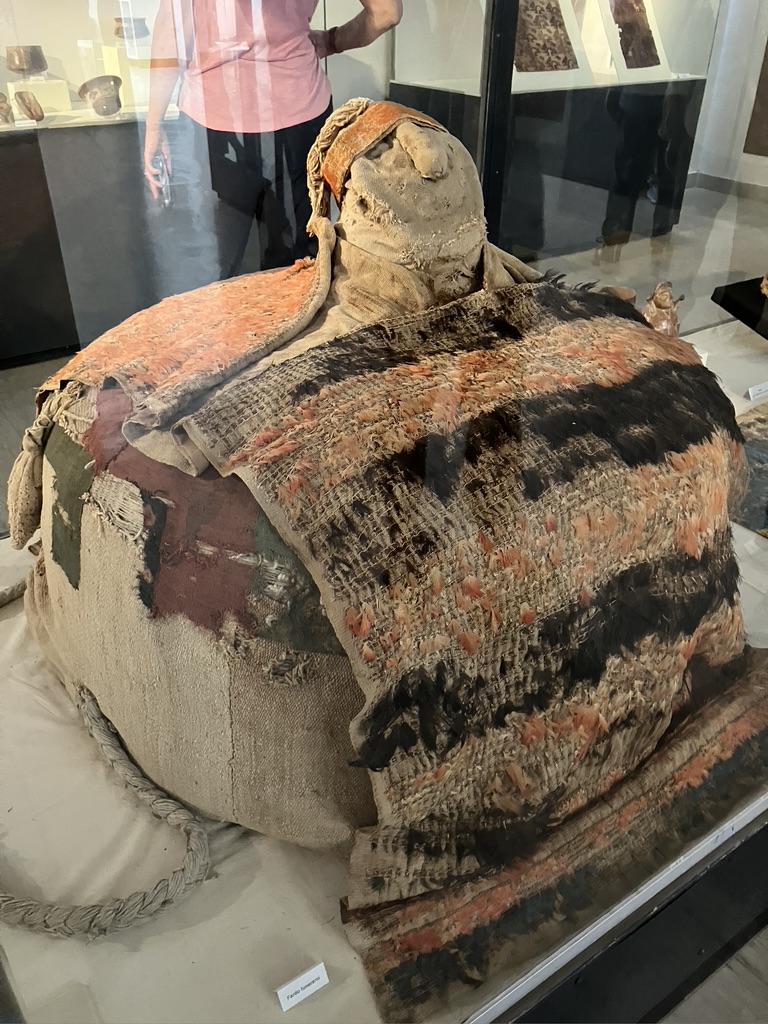
Some of the bodies were treated with preservative salves and curled into a seated position with the arms and knees tight up against the chest. Some bodies were mummified by desiccation brought about by the deep cold and dry air of the high altitudes at which they were left. They were wrapped in layers of textile, headdresses, and robes. They are well preserved for being about 500 years old (circa 1462 to 1507).
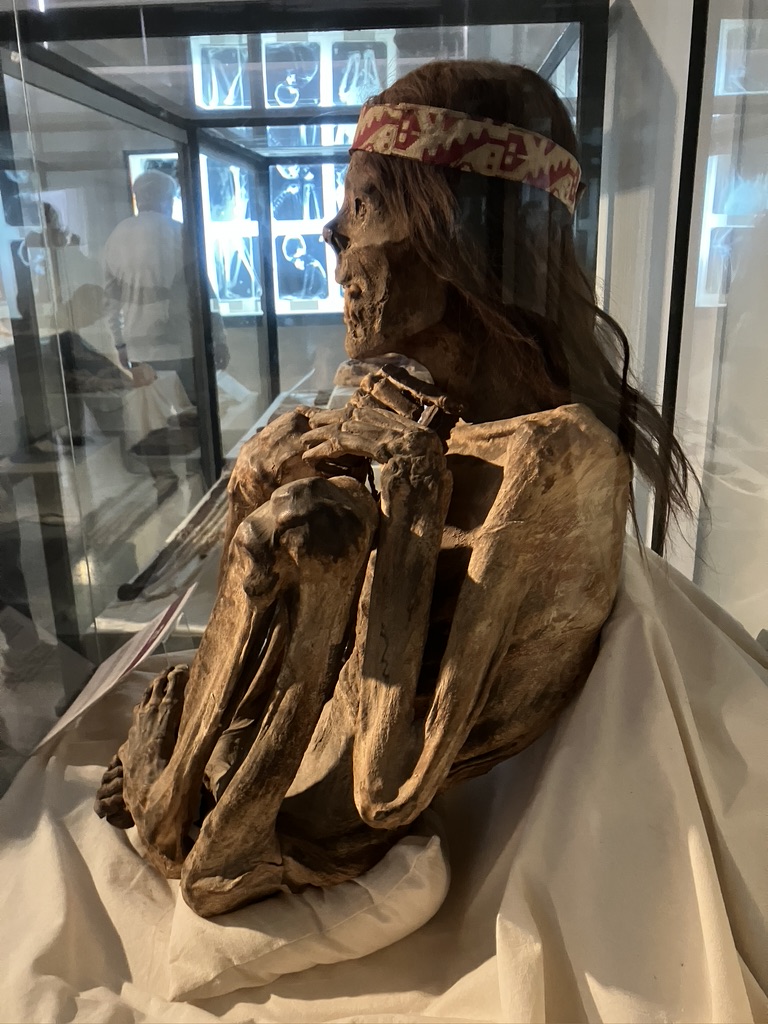
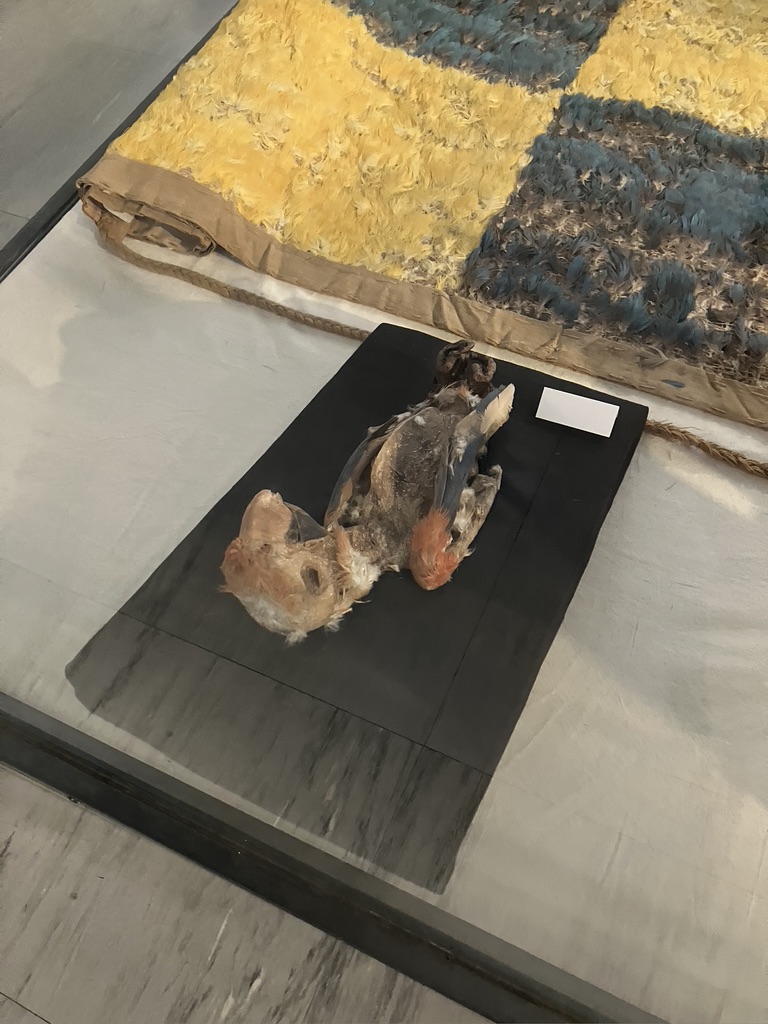
Often, the bundles included objects apparently dear to the deceased, sometimes including the mummified remains of animals—apparently prized pets—and other possessions.
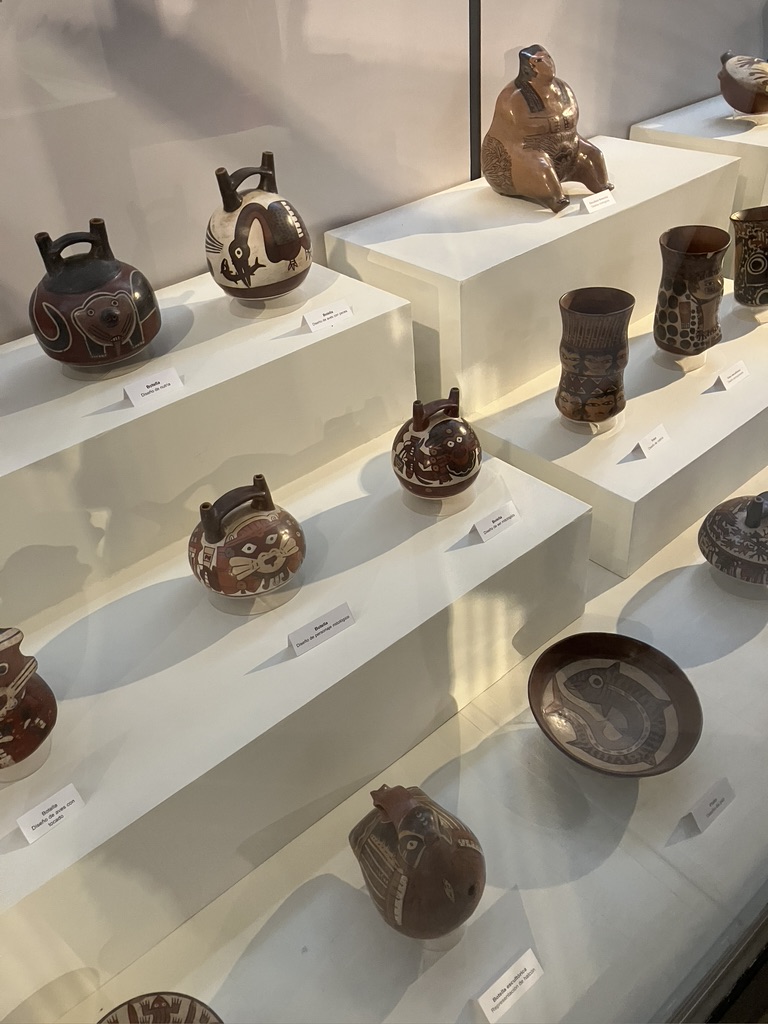
The museum has a large collection of other artifacts including pottery, jewelry, weapons, sculpture, art, and textiles.
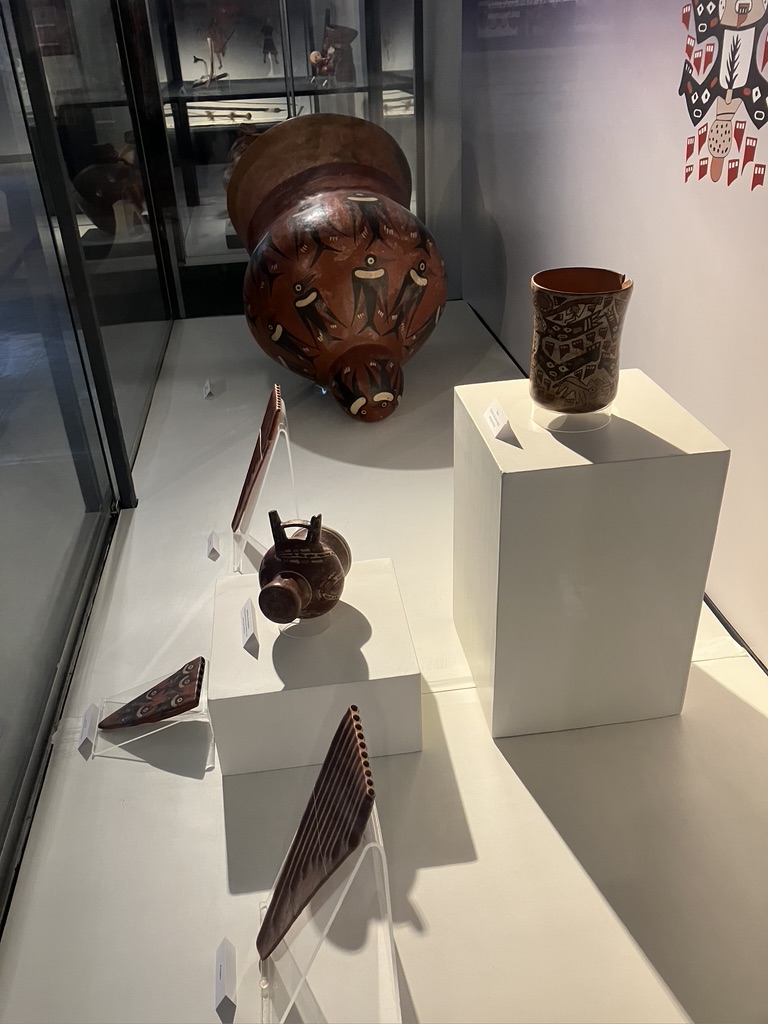
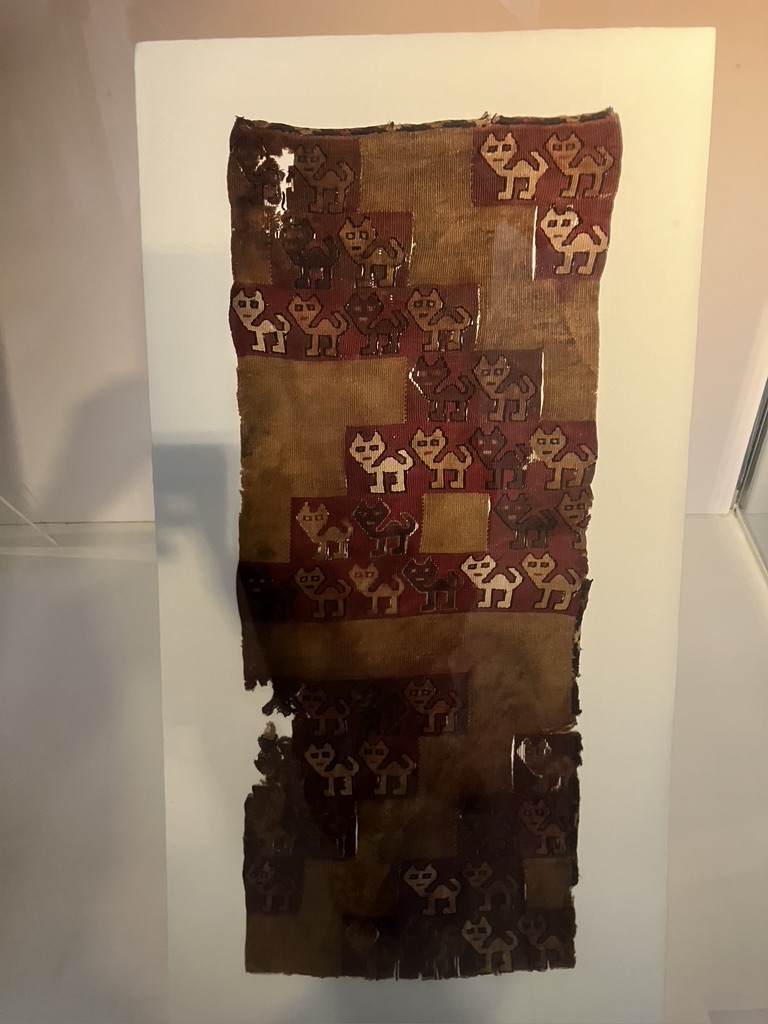
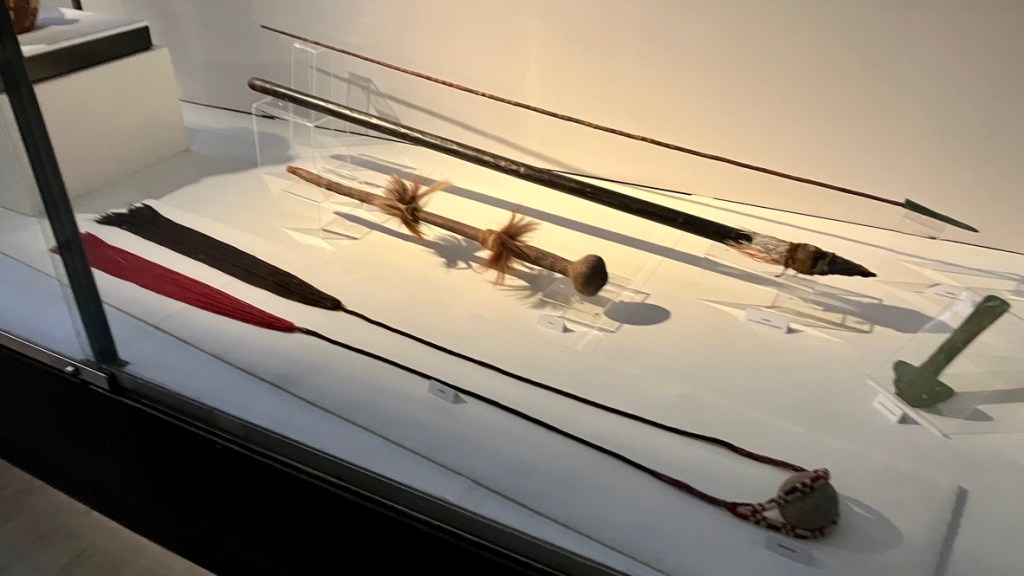
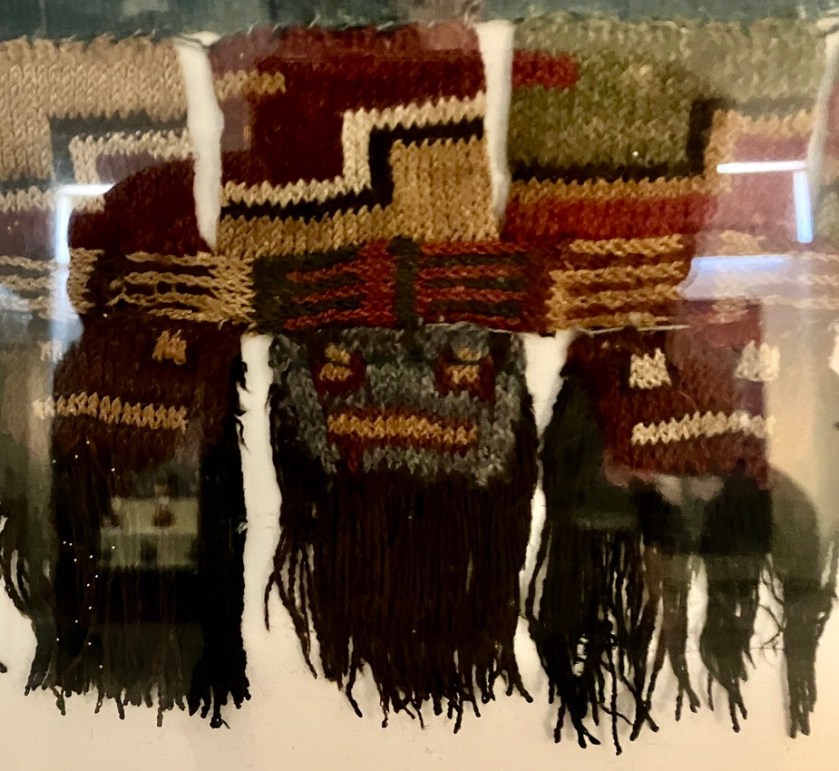
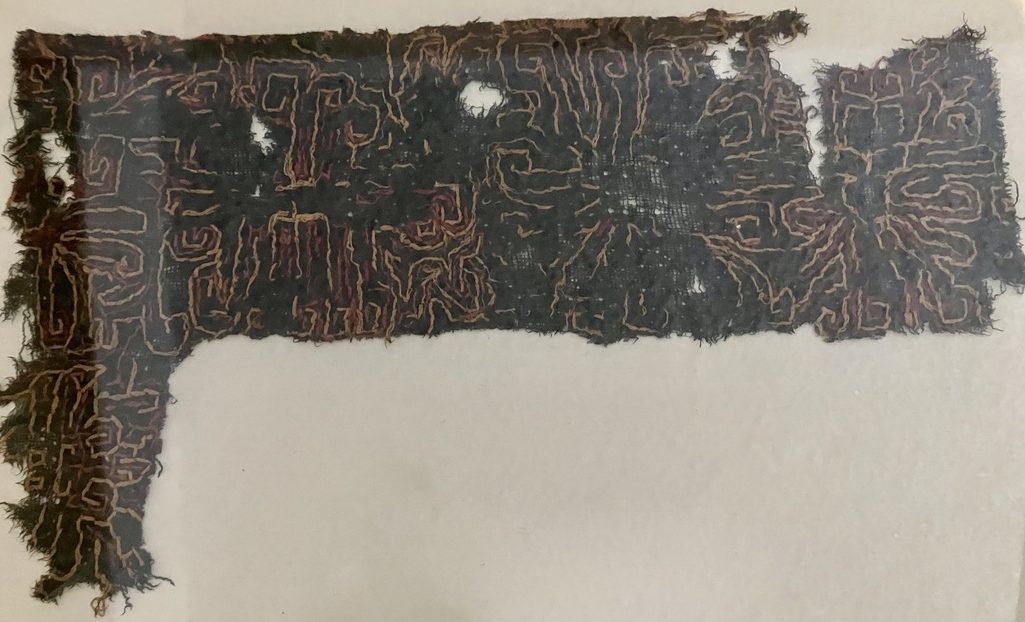
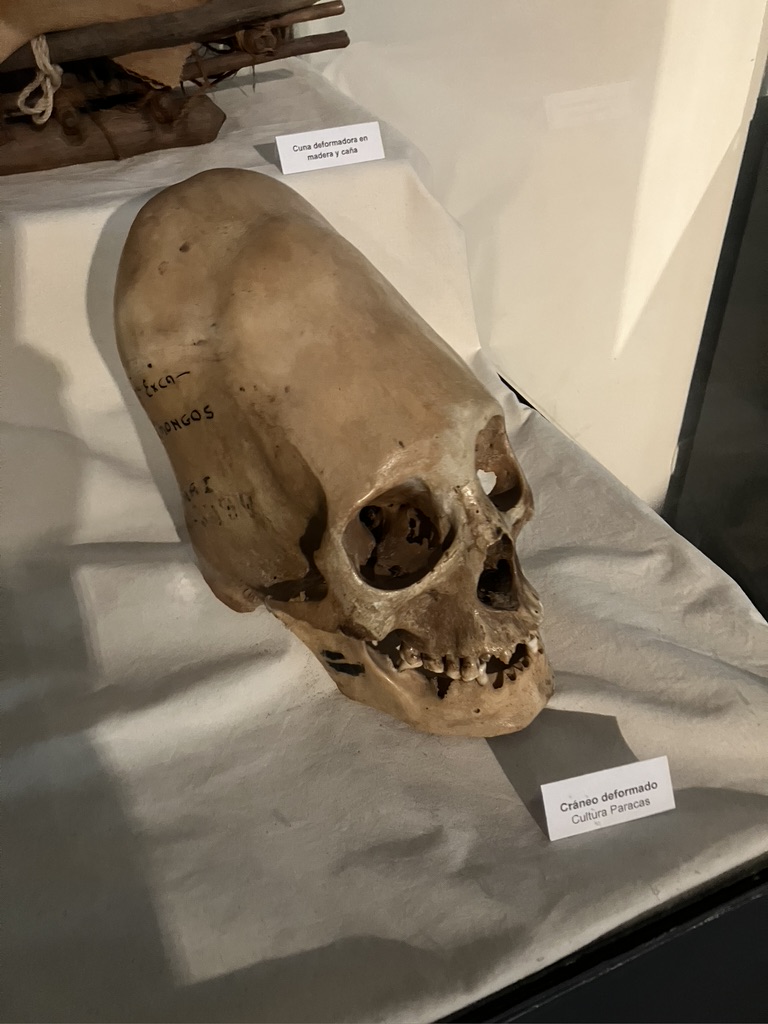
Finally, the strangest pieces in the collection—deliberately deformed human skulls, said to be a sign of special status to the people of the earlier Paracas Culture.
It was getting to be time for lunch. But wait, how about a wine tasting? You’ve never heard of Peruvian wines? Well, neither had I. But I was in for a pleasant surprise. It turns out Argentina and Chile are not the only South American countries that grow grapes and produce fine wines.
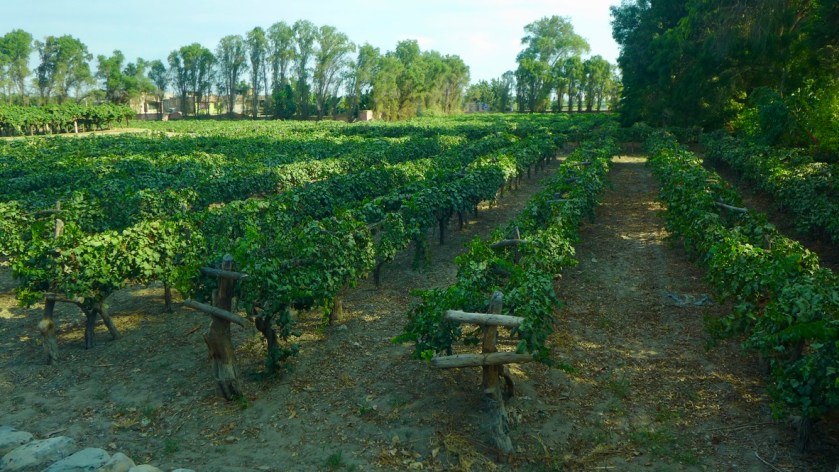
As we drove northeast away from the sand and dunes at Huacachina, we gained elevation and the climate became milder. We entered an agricultural zone, home to farms, ranches, and the oldest winery in Peru—Tacama Winery.
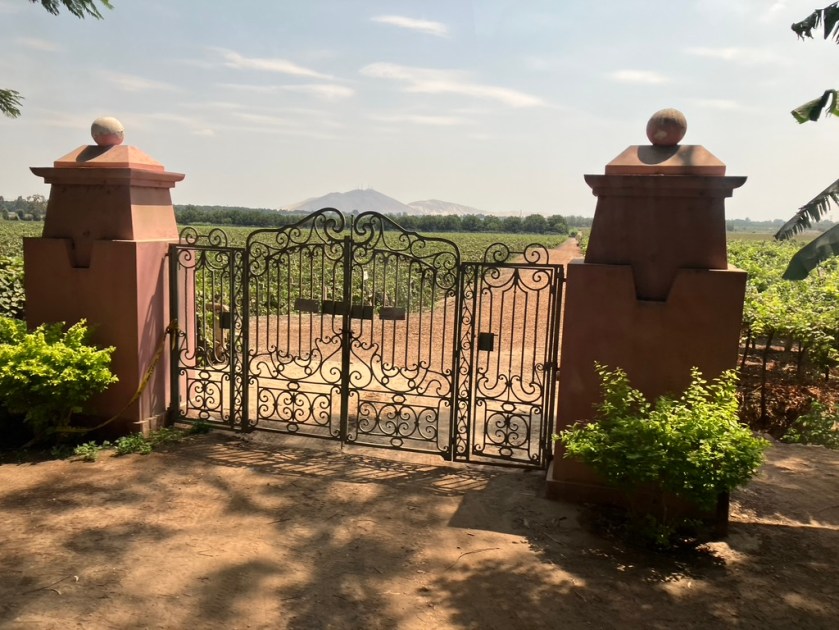
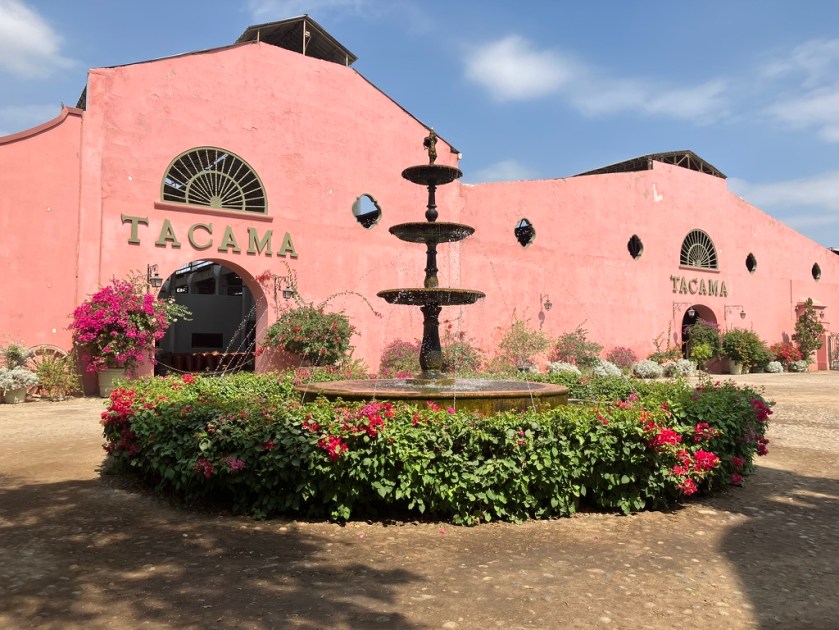
We started, of course, with a wine tasting.
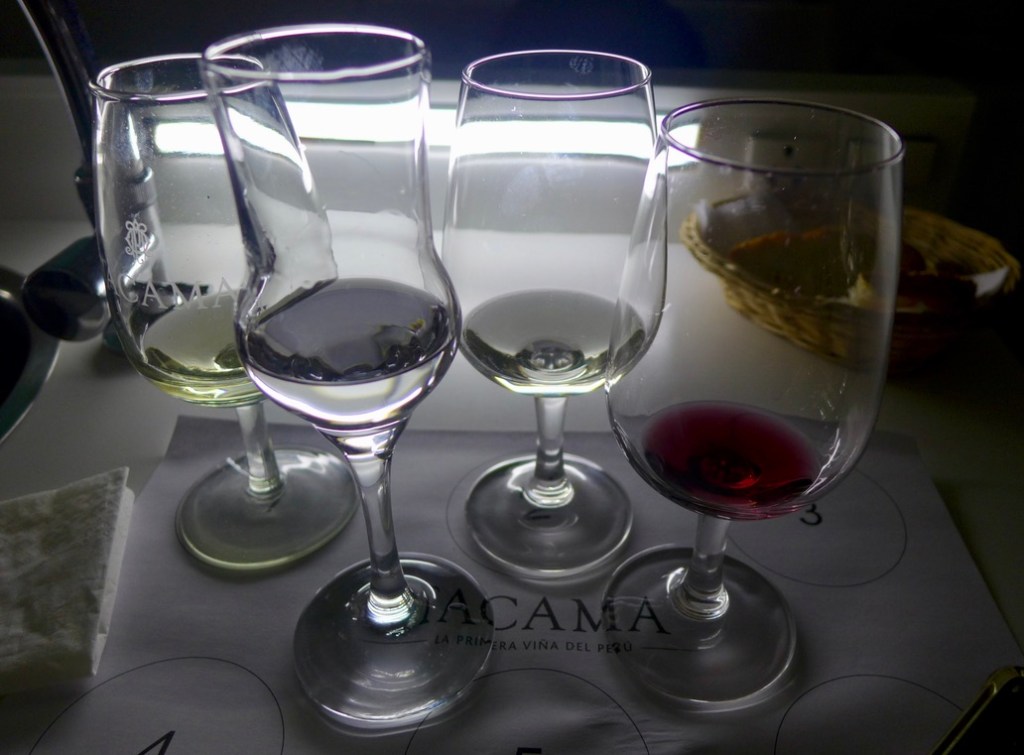
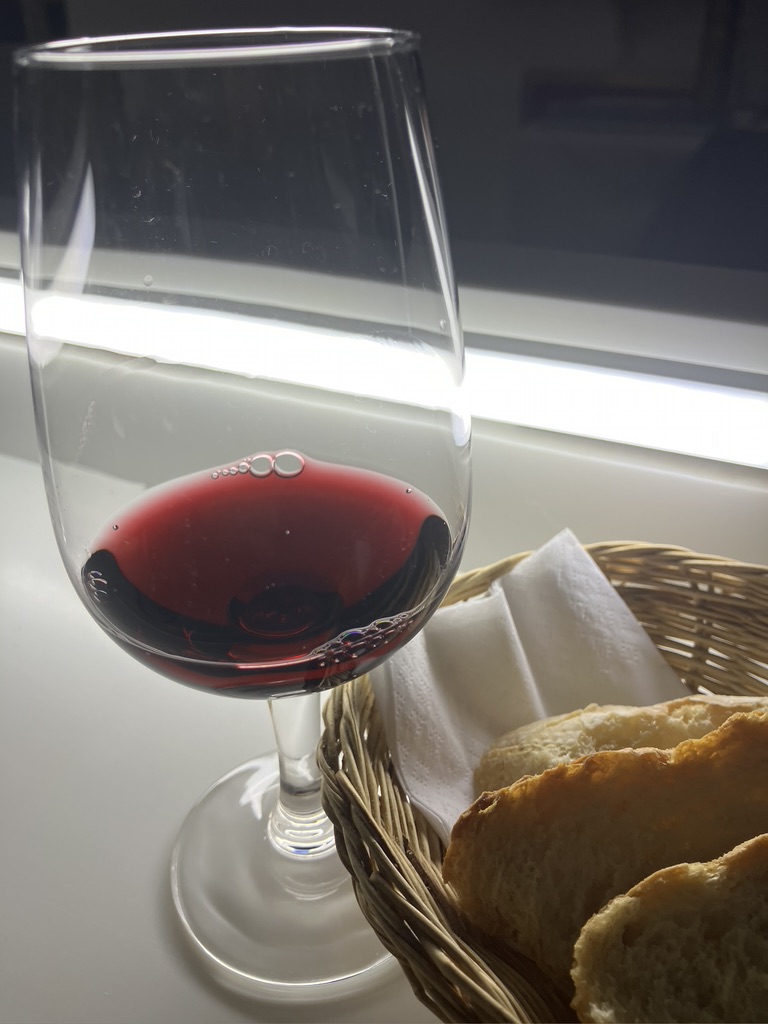
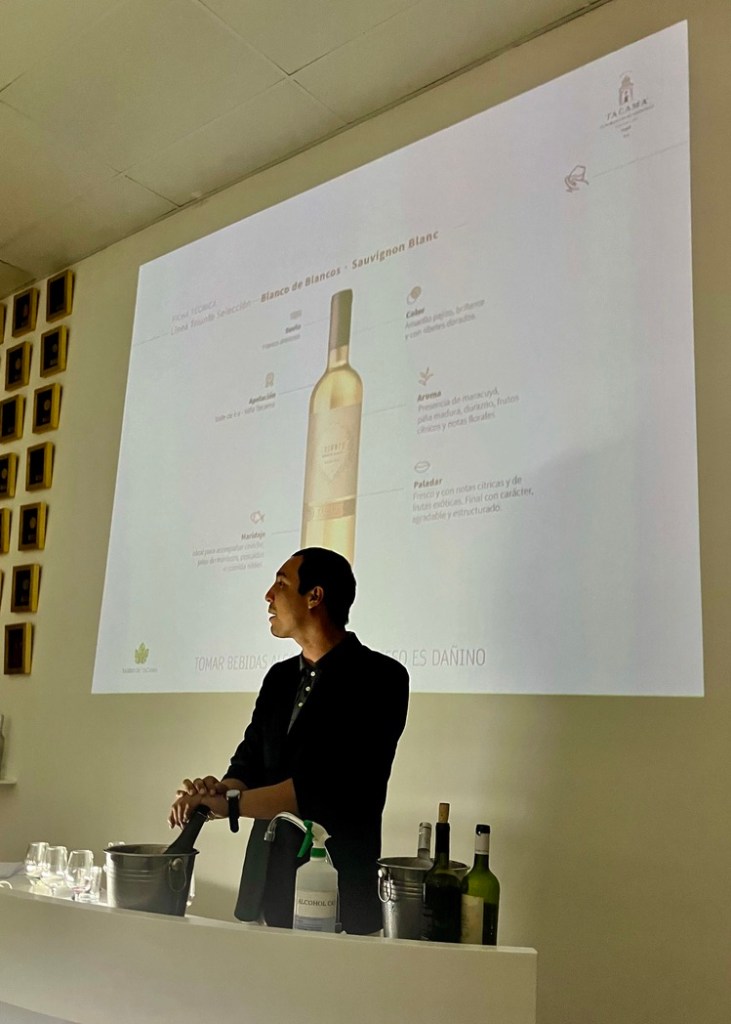
We were given a thorough presentation of the long history of Tacama Winery, its extensive vineyards and plans for the future by one of the winery’s up and coming young oenologists. We tasted a broad sampling of its red, white, rosé, and sparkling wines followed by a tour of the winery and distillery.
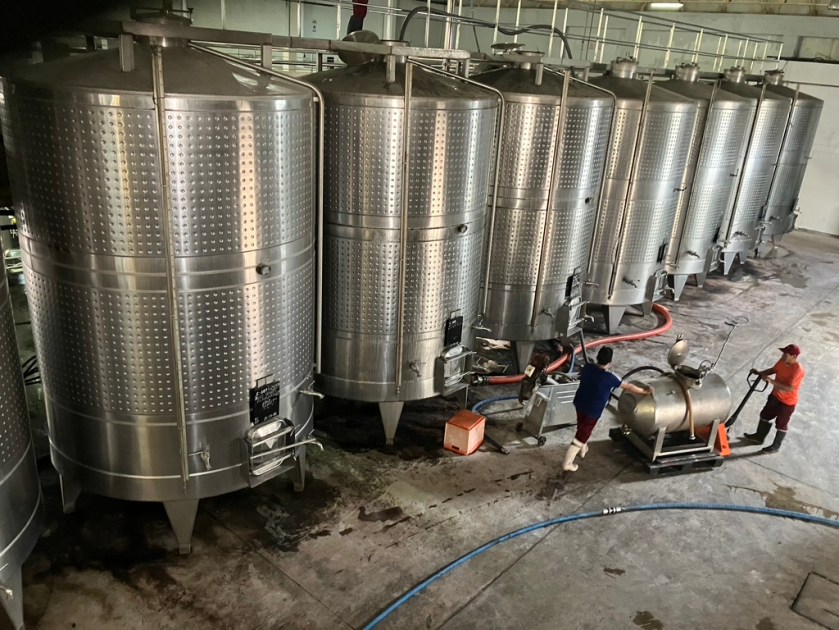
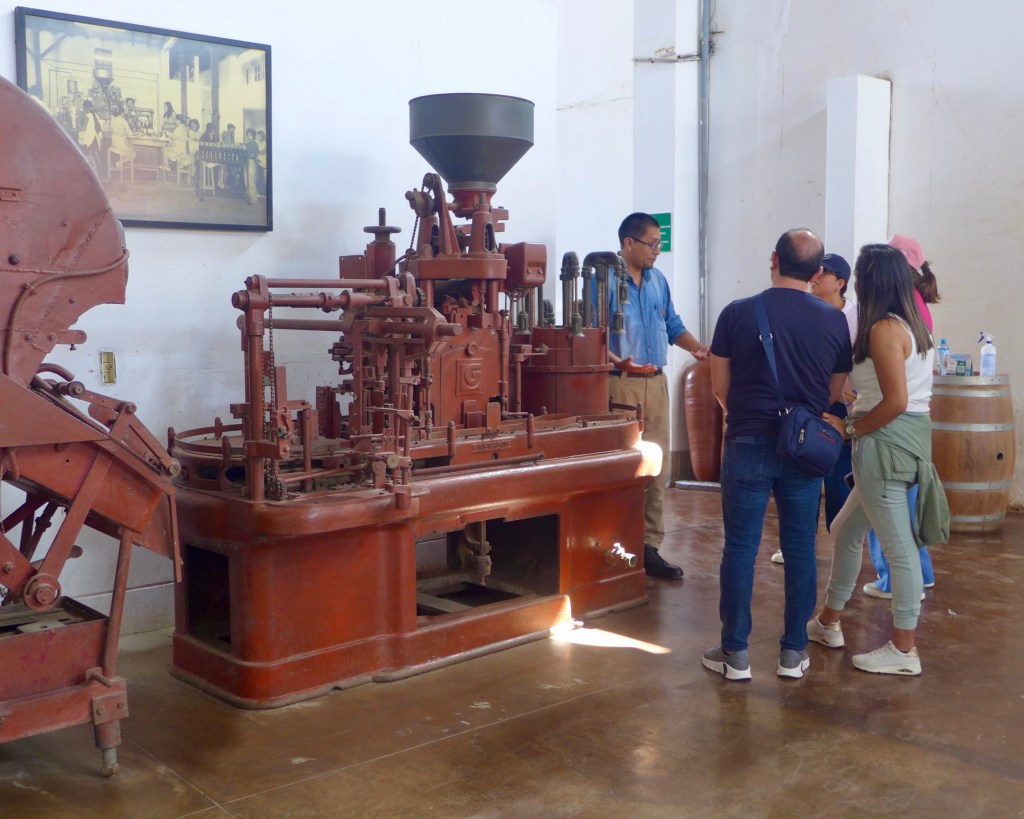
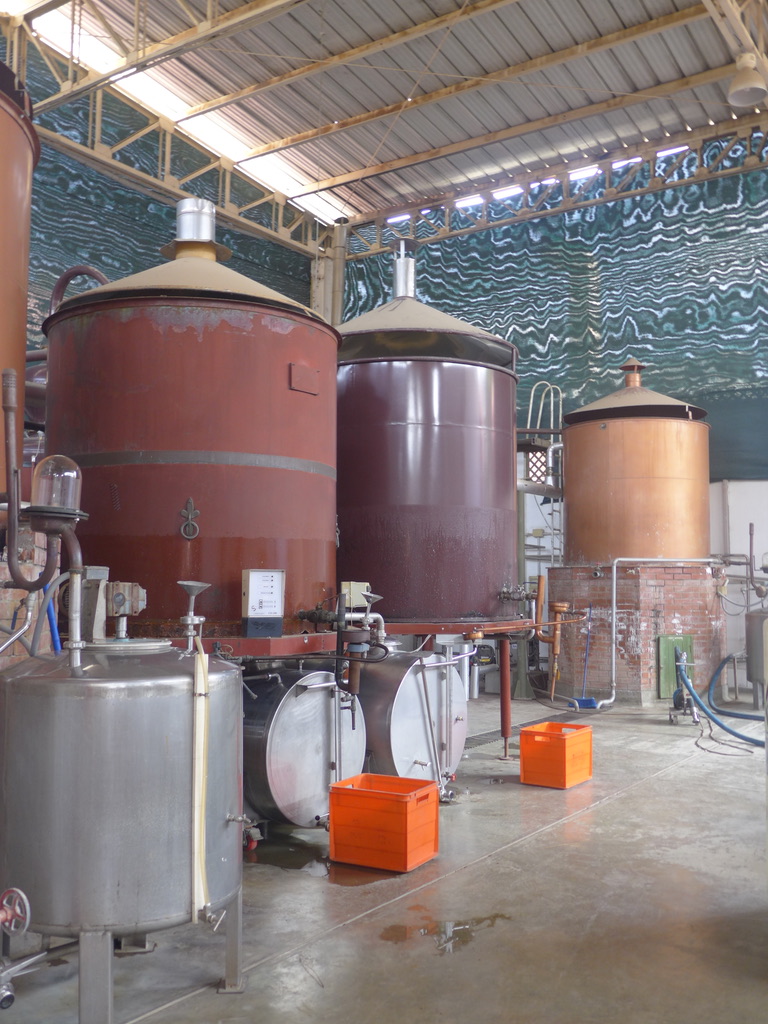
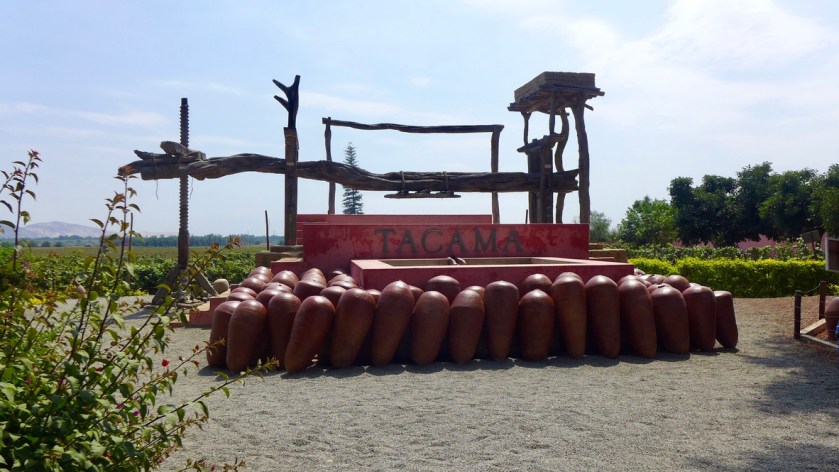
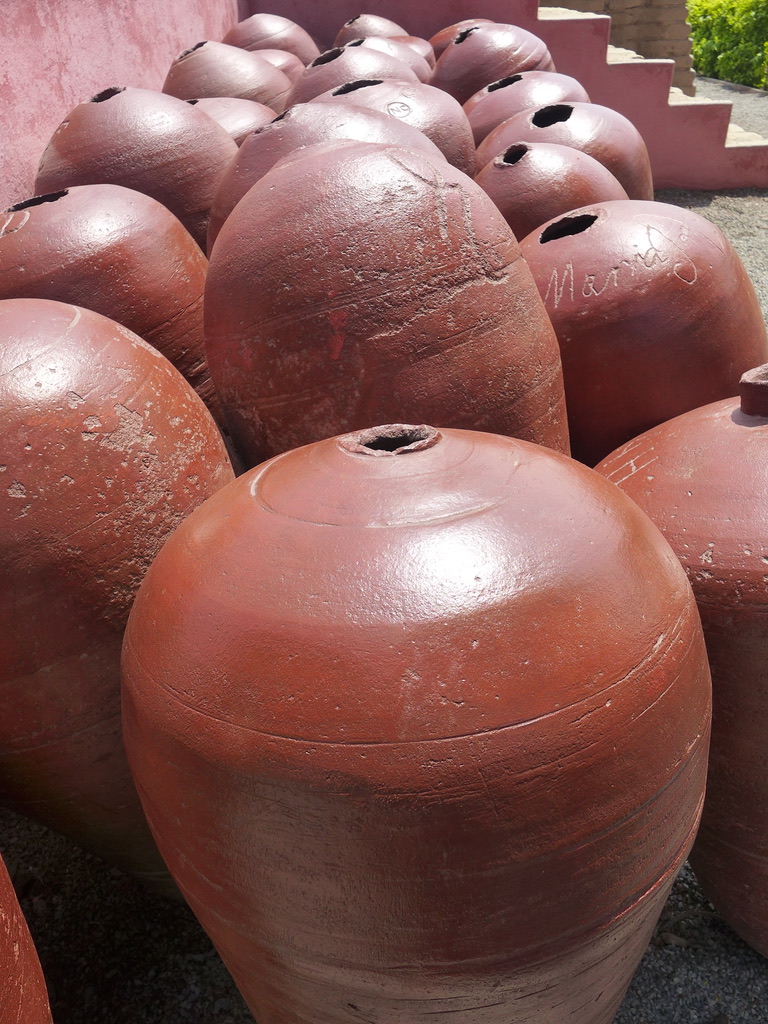
Our tour culminated with lunch—in the winery’s tavern and restaurant.
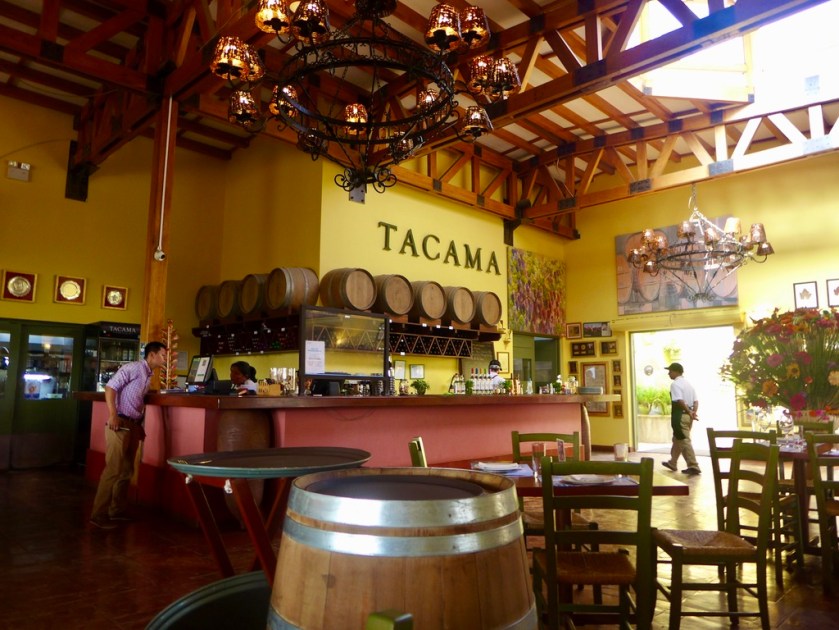
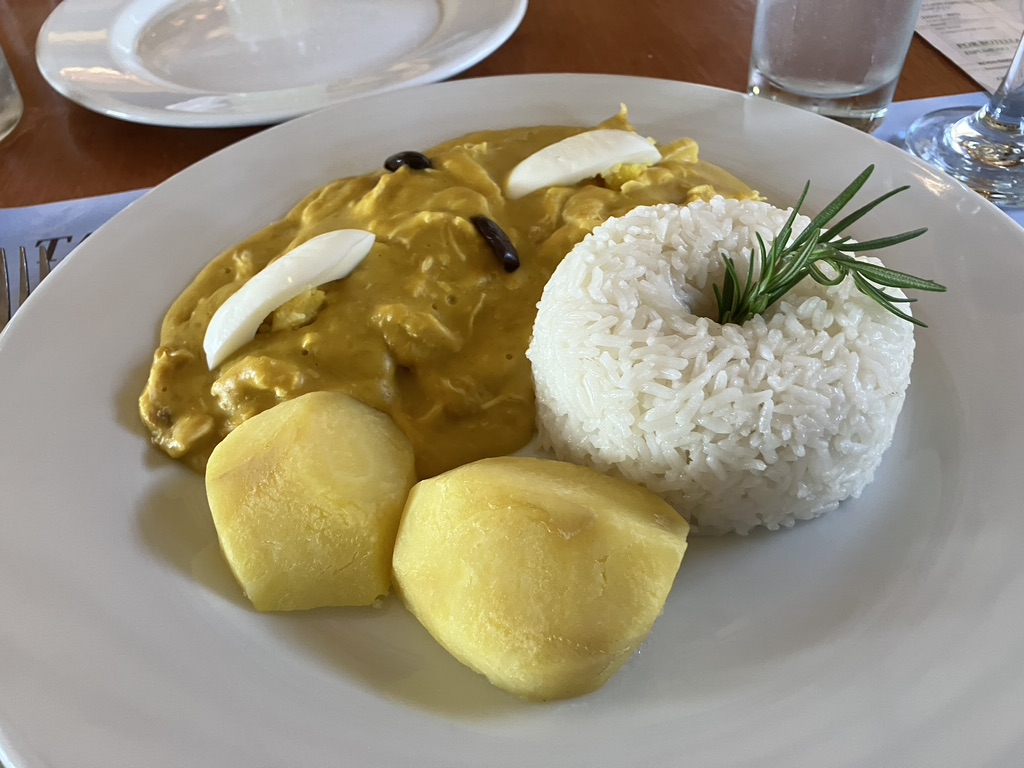
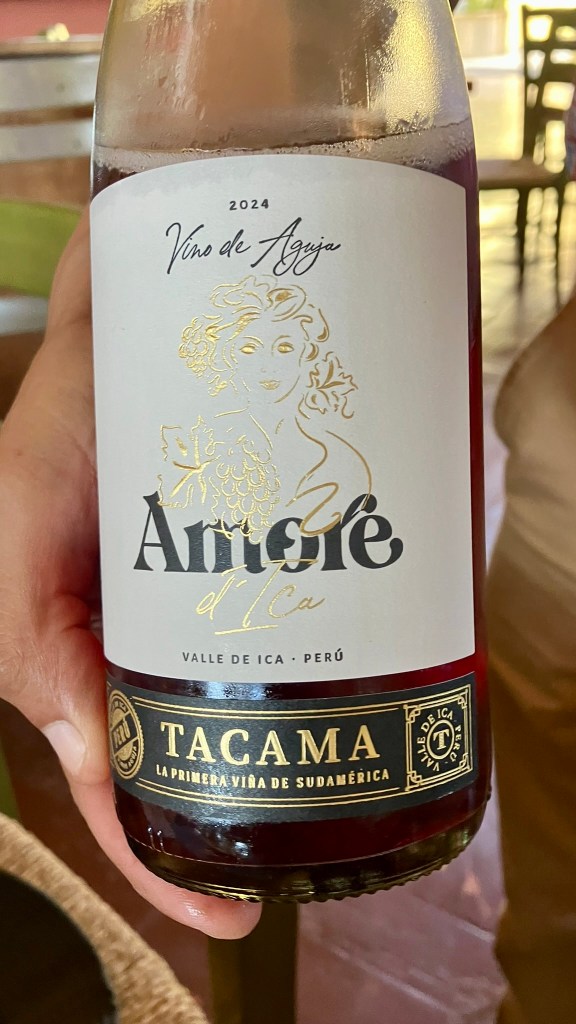
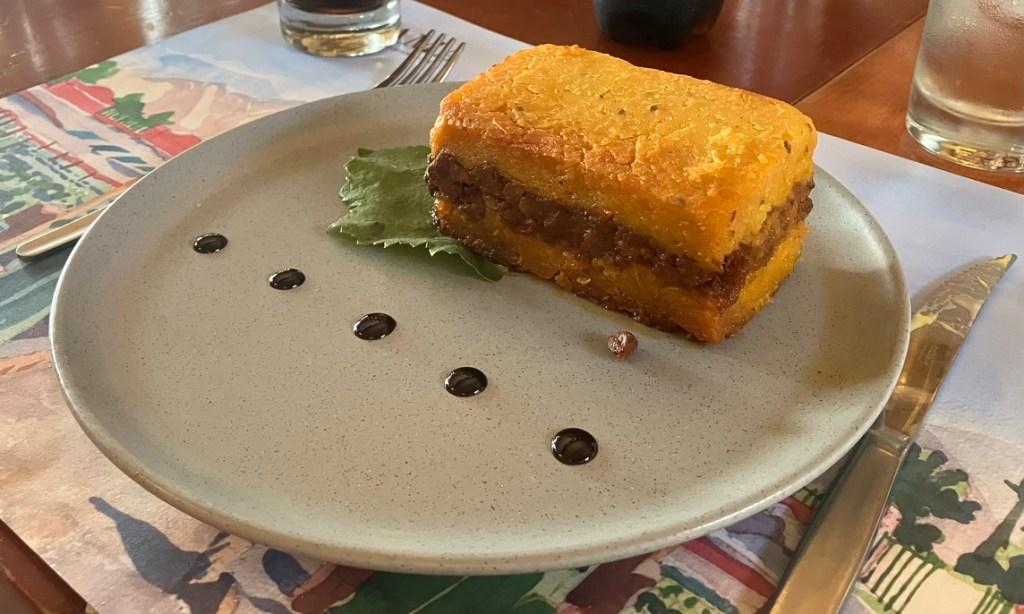
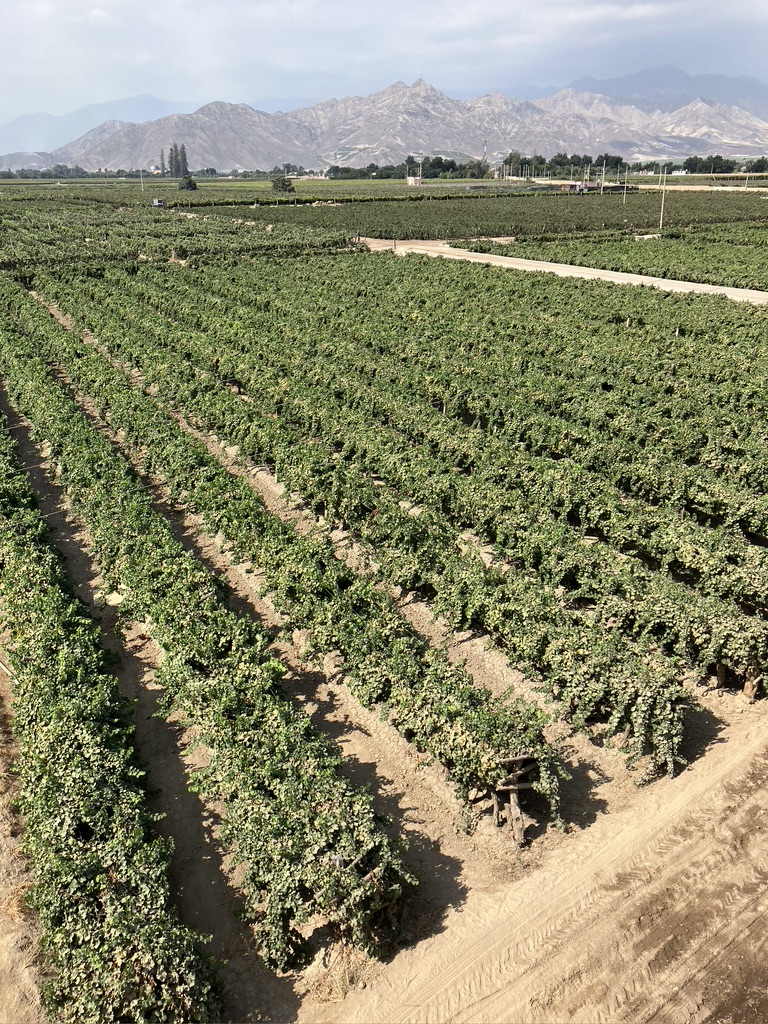
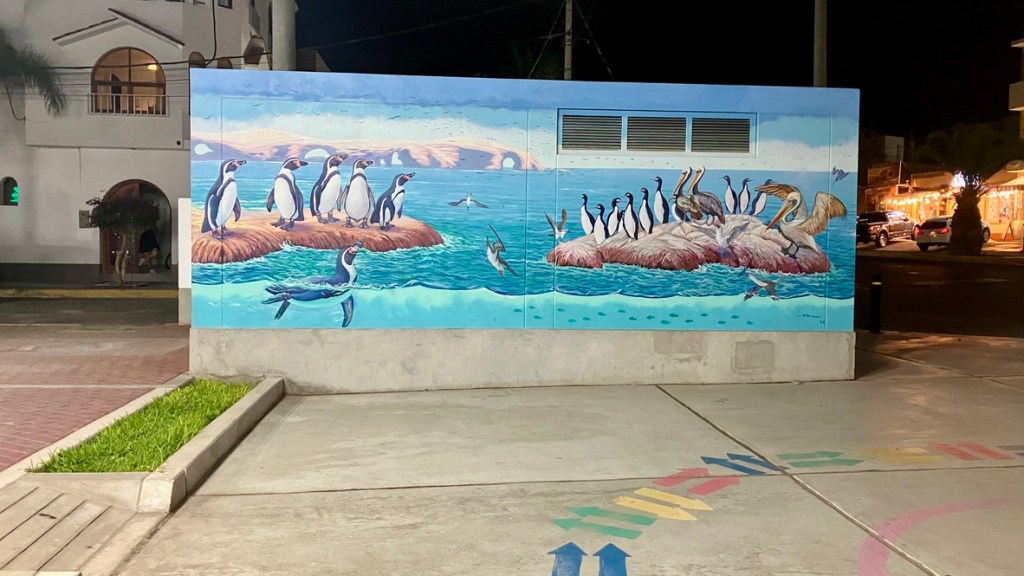
It was a long drive back to Paracas so, off we went. Later in the evening, some of us walked into town for a drink and a snack and to take in some of the local scene. In the central plaza and park, I found a mural that would turn out to forecast adventures to come the following day.
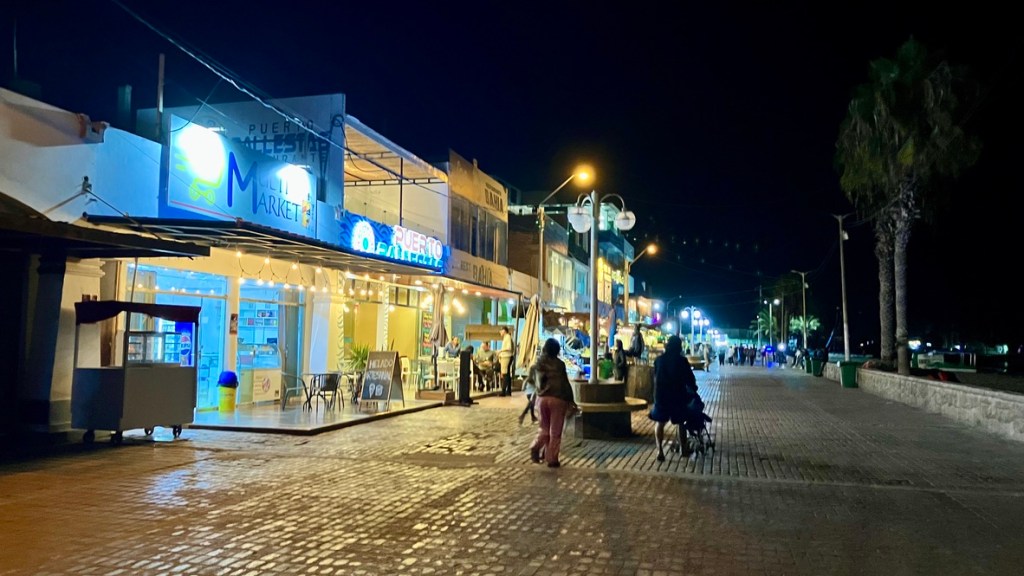
While, the day had been full of unexpected sights, tastes, and sounds of the road, it was time to call it a night. Morning would dawn soon.