Rangiroa Atoll
Upon leaving Nuku Hiva in the Marquesas, we sailed south west back to the Tuamotus—this time to the windward end at Rangiroa.
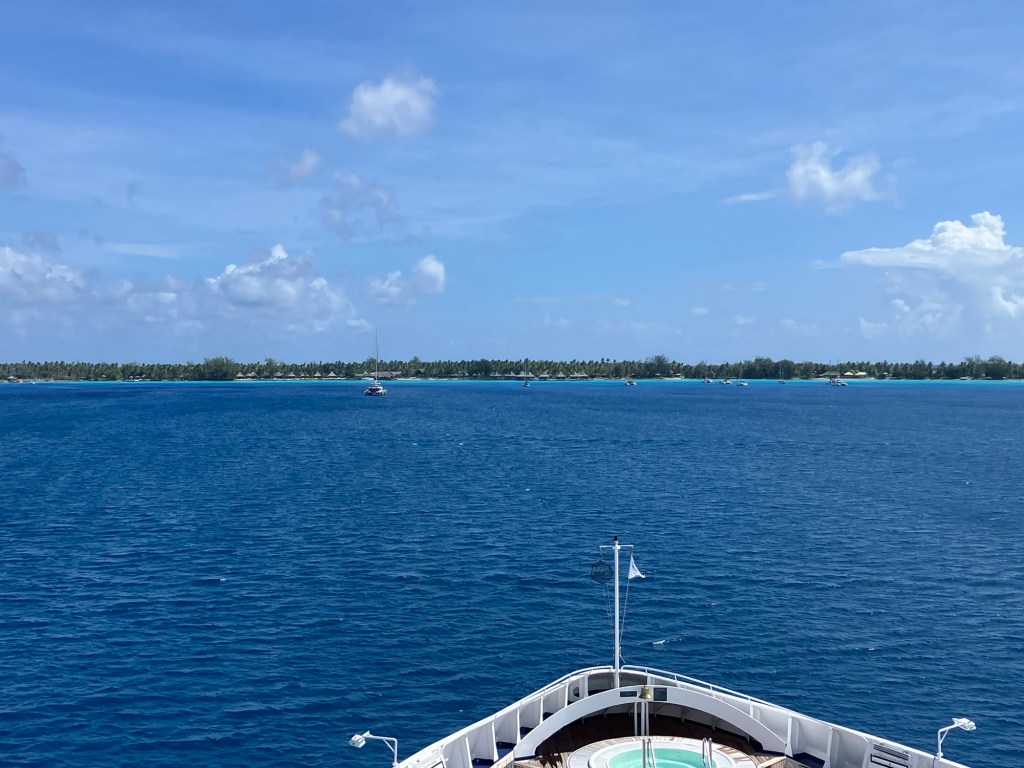
An atoll is a ring of narrow islets that formed around the edges of an extinct volcano. The center of this atoll, which was once a volcanic island, is now below sea level and the base of a mostly enclosed, relatively shallow lagoon. Rangiroa’s lagoon looks more like open ocean—but sailors beware. The islets that form the ring, if not exposed, are not far below the surface. There are only a few navigable entrances or passages.
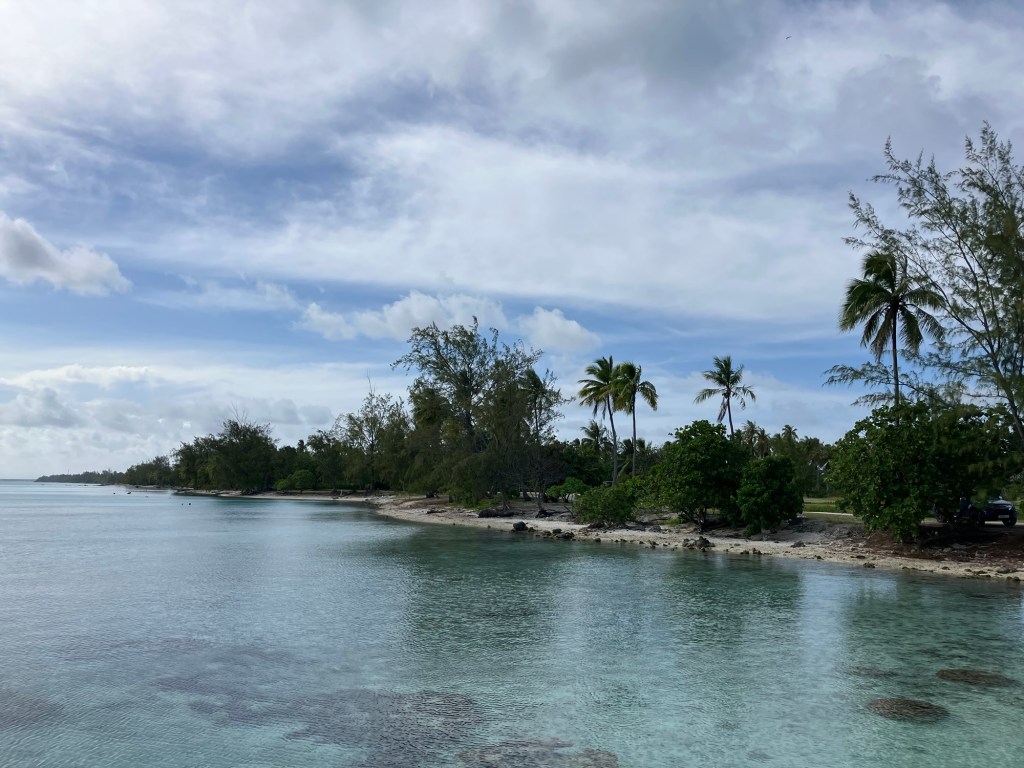
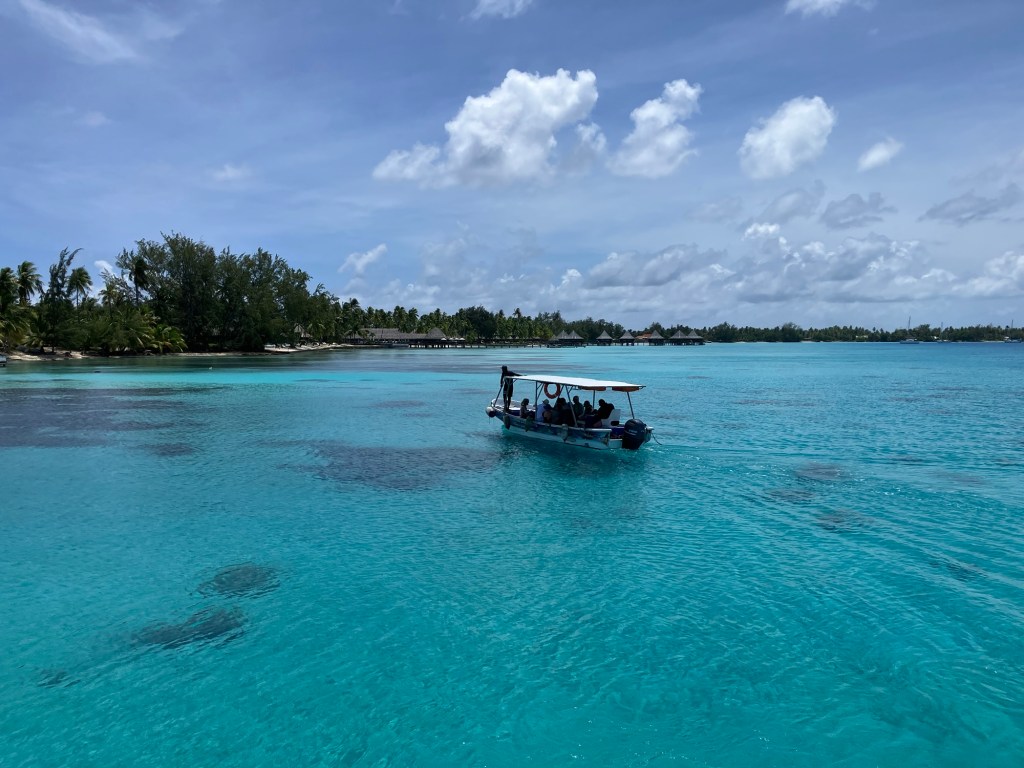
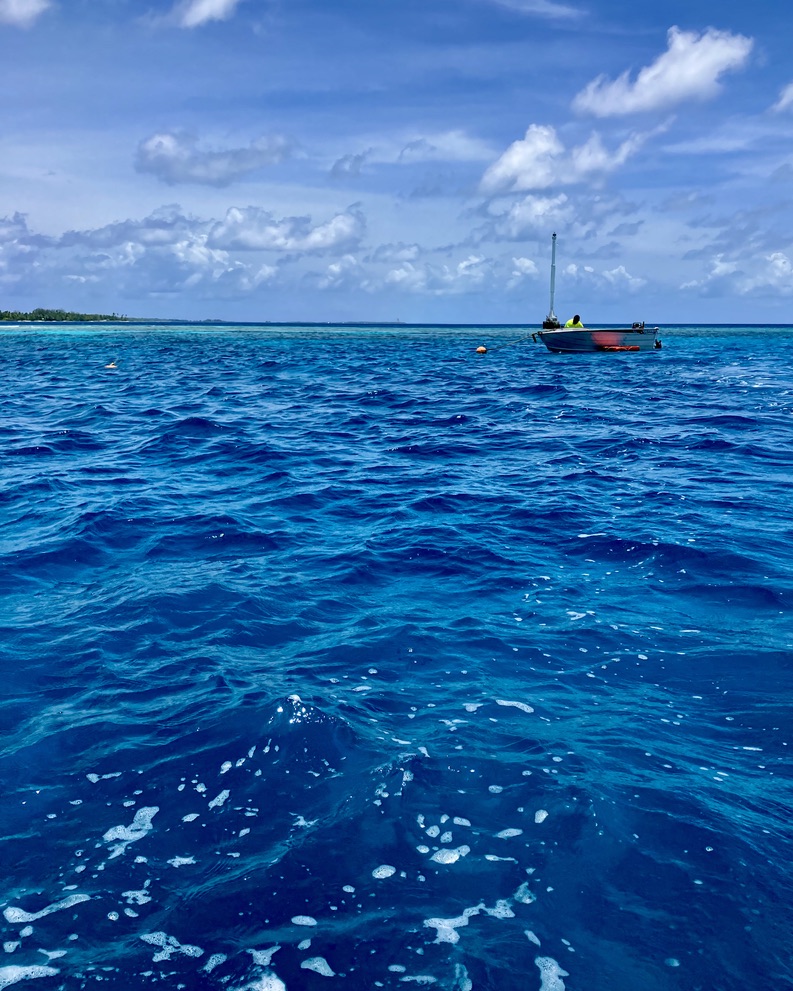
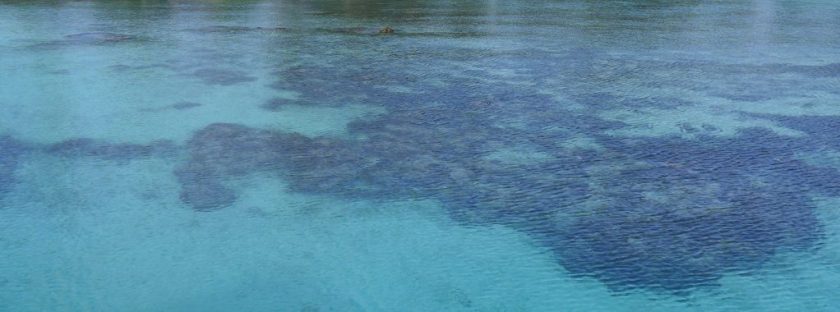
We took a similar boat out to a nearby reef for snorkeling among many tropical fish, a coral reef, and a few black tipped sharks. It was our first snorkeling experience of which there were to be several more each increasingly interesting, exciting and, ultimately, educational.
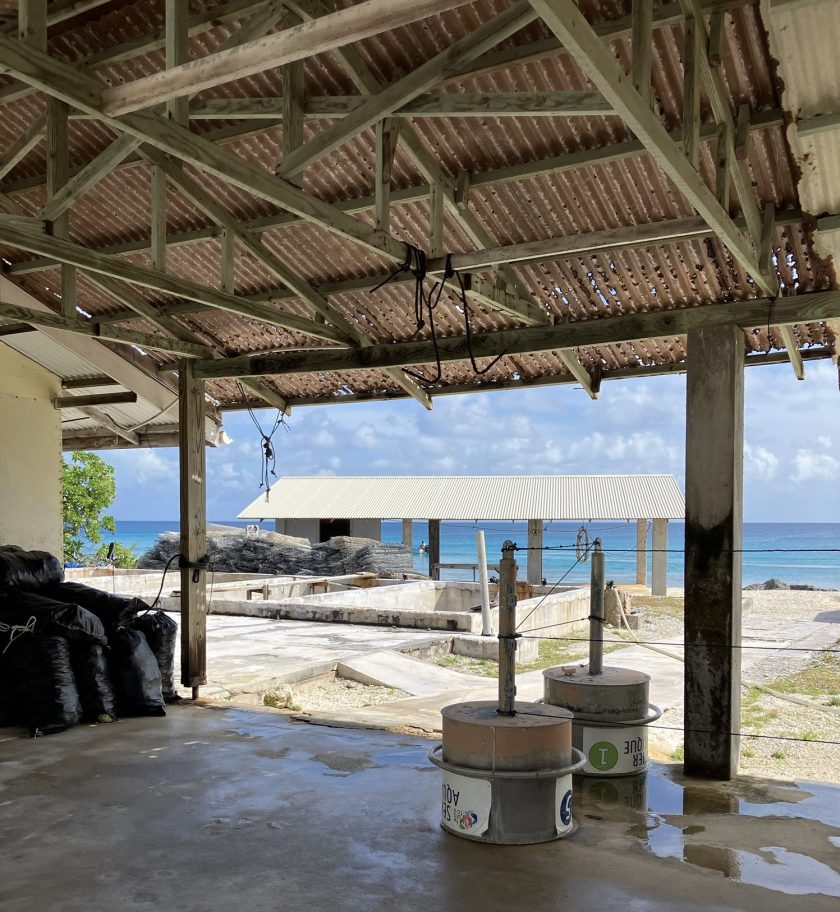
We also visited a Tahitian pearl farm and shop—of course.
Yes, that Paul Gauguin—the 19th Century French painter. He spent a large part of his life here and is buried at Cimetière Calvaire—Calvary Cemetery—in Atuona, Hiva ‘Oa, largest of the Marquesas Islands.
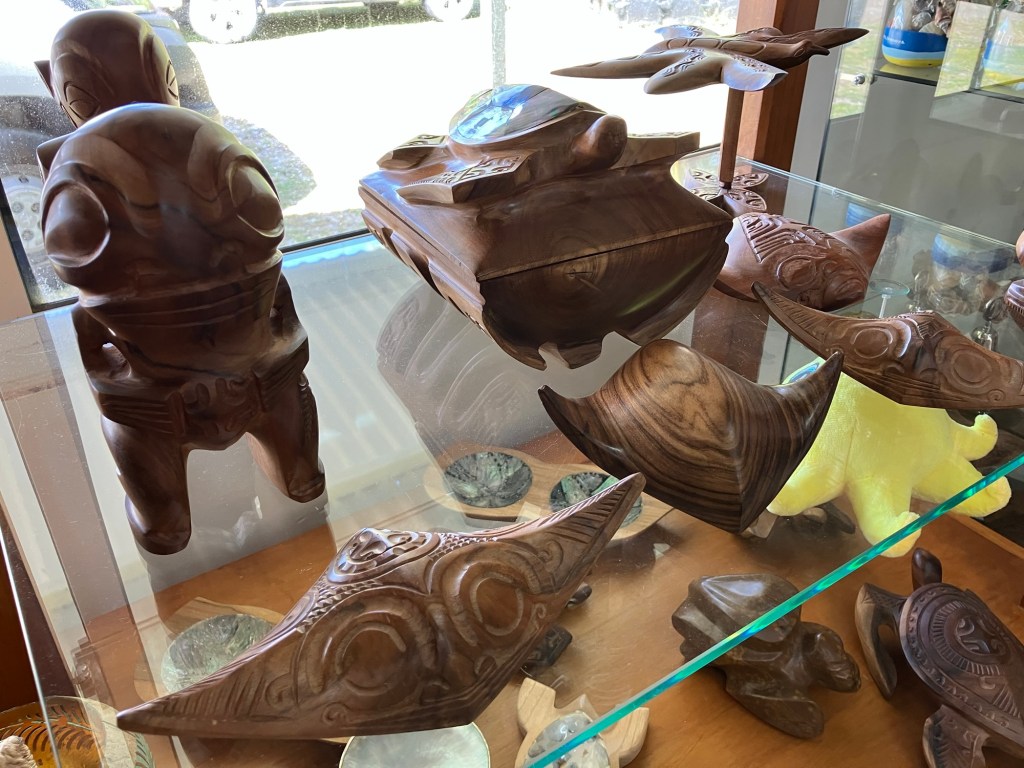
I will write more about Tahitian pearls in a later posting. I found the wood carvings that were also for sale in the pearl farm’s shop among the more beautiful I had seen.
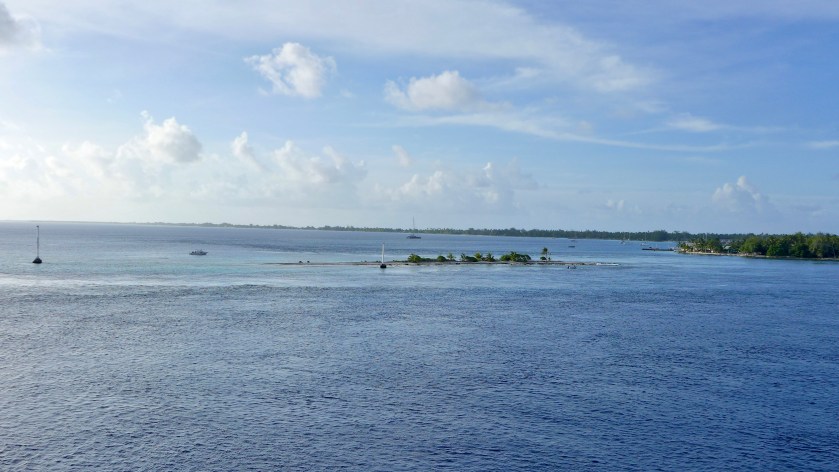
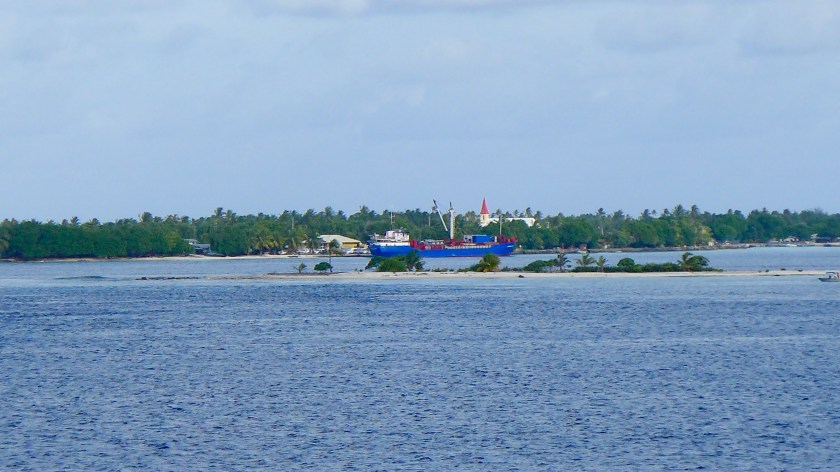
That evening, it came time to say goodbye to Rangiroa. Though the lagoon looks like open ocean waters, it is not. There are only a few deep navigable channels out to the ocean. We sailed out through the one we had entered early that morning, Tiputa Pass, near the northwest corner of the atoll ring of islands.
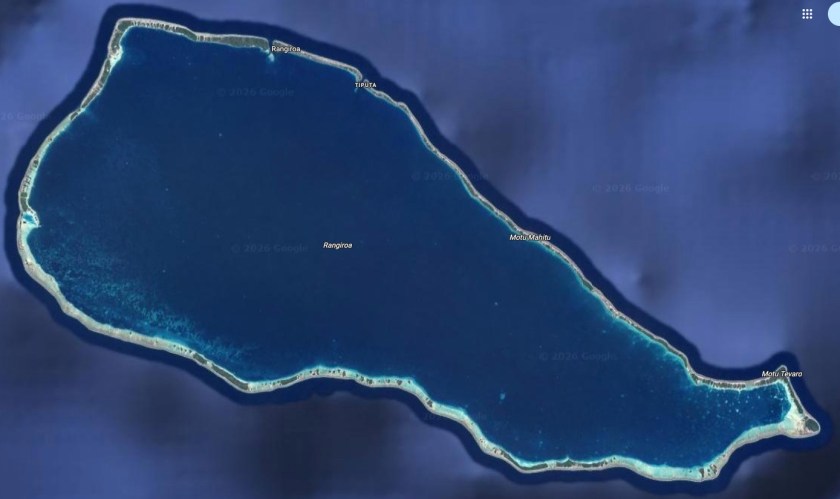
Rangiroa is near the northwest end of the Palliser Islands chain of the Tuamotu Archipelago. It is almost exactly halfway between South America and Australia in the middle of the South Pacific Ocean.
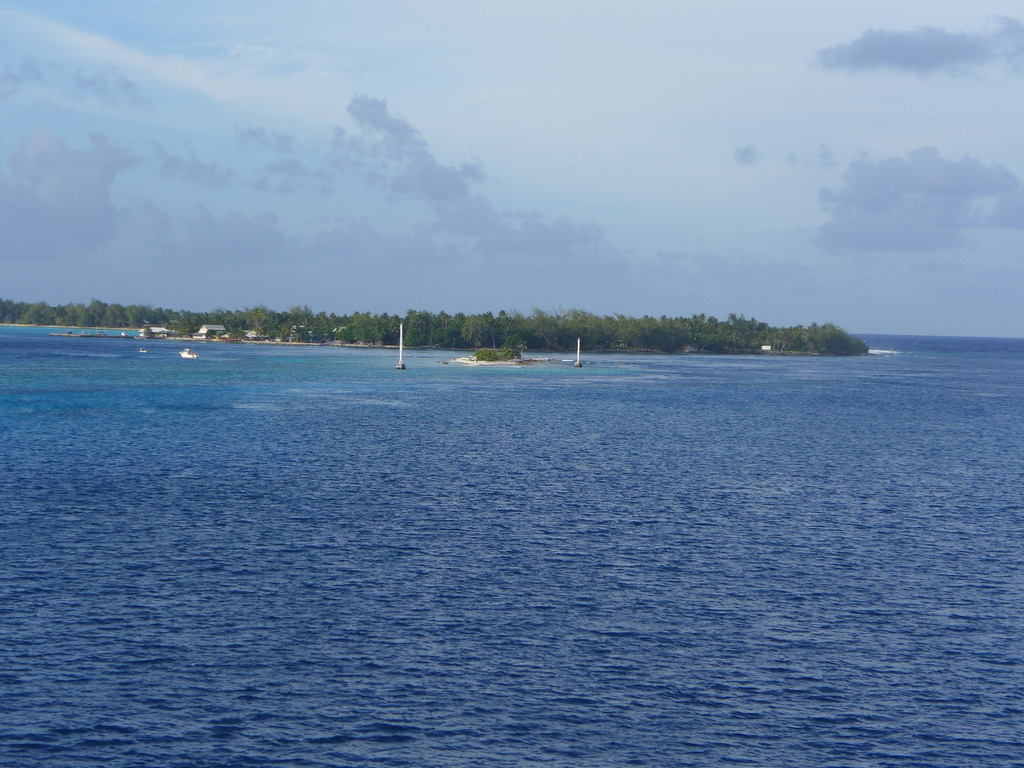
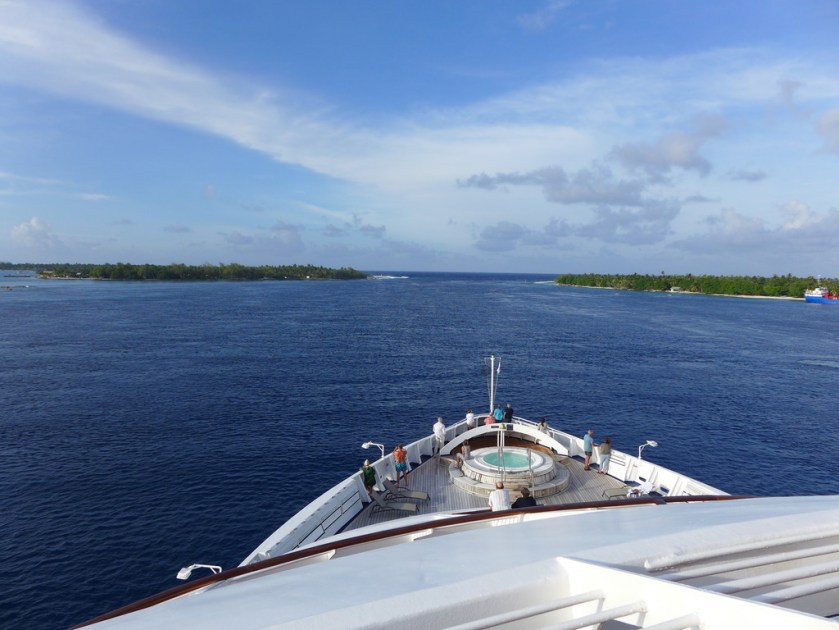
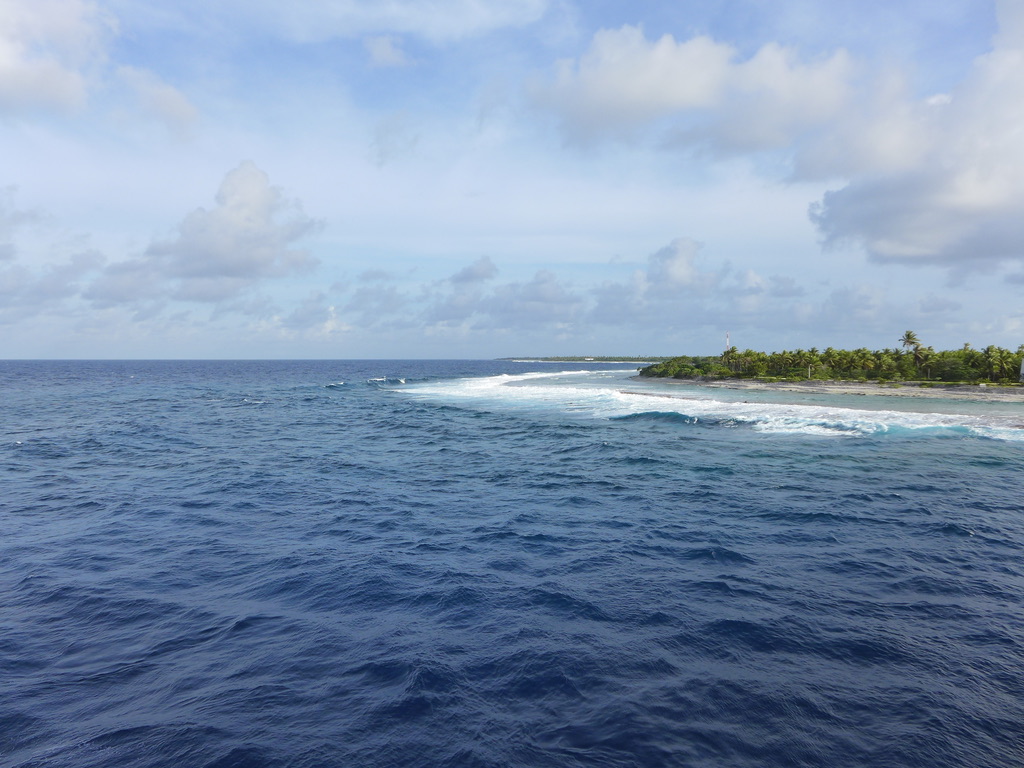
Out to sea through Tiputa Pass—the town of Tiputa, the largest on the atoll, is off to the right.

