Taha’a and Bora Bora
Later that day, we were off again for a day at sea and overnight on the way back to the Society Islands. This time, as we had done returning to the Tuamotus, we headed for the western, windward end of the island chain at Taha’a and Bora Bora.
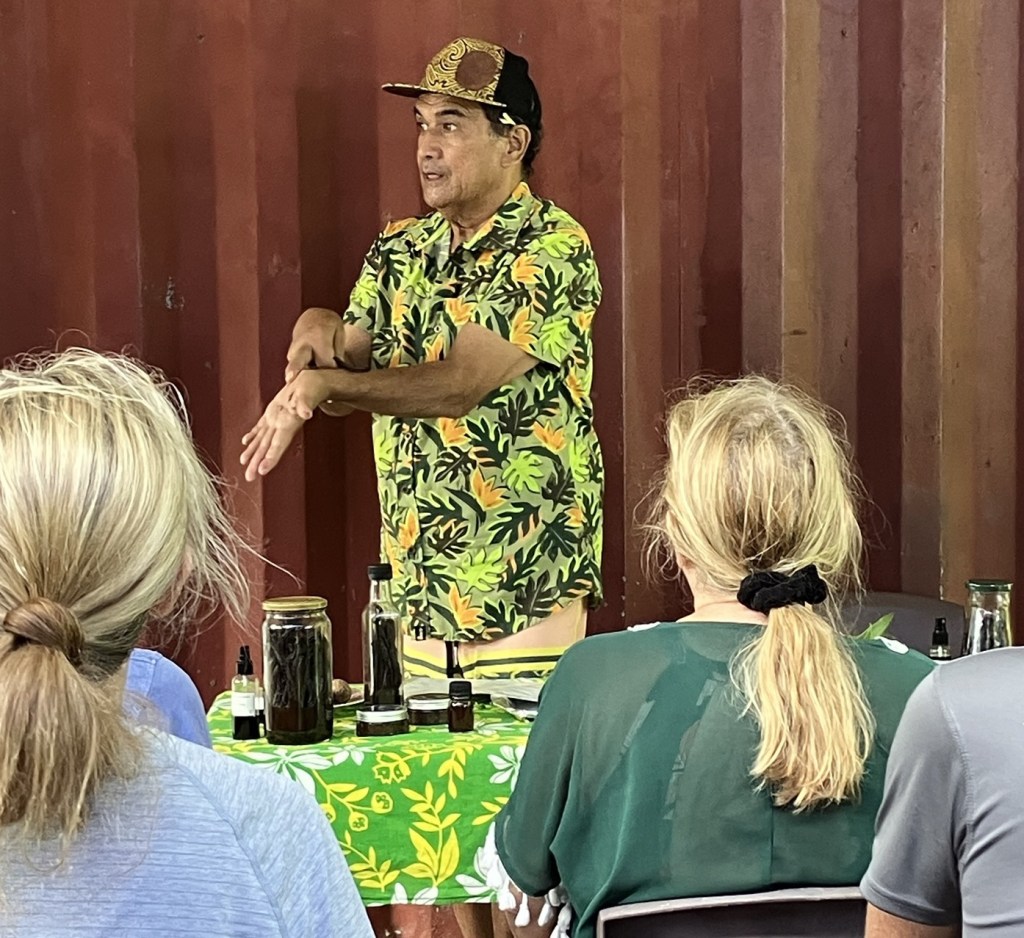
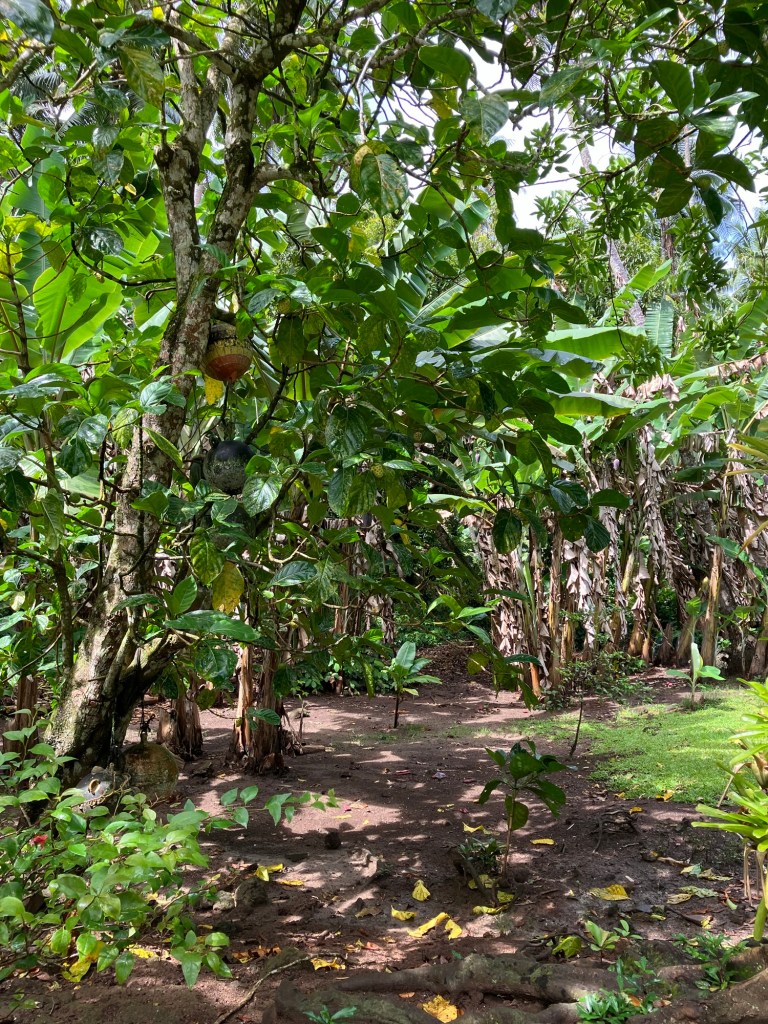
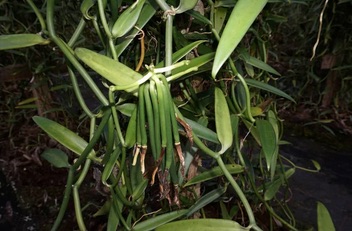
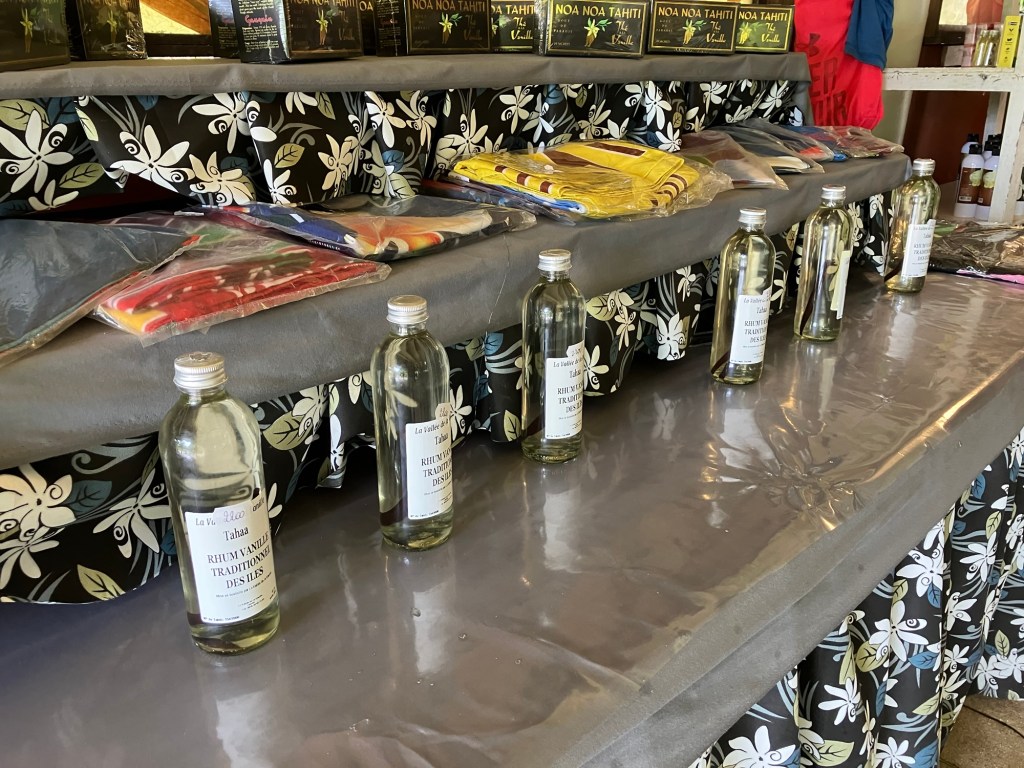
We anchored off Taha’a at Motu Mahaea. We were supposed to go ashore on Mahaea for a beach barbecue but the weather and sea state precluded it. The next morning, the weather had calmed. We took the tender craft to Taha’a to visit a Tahitian vanilla plantation.
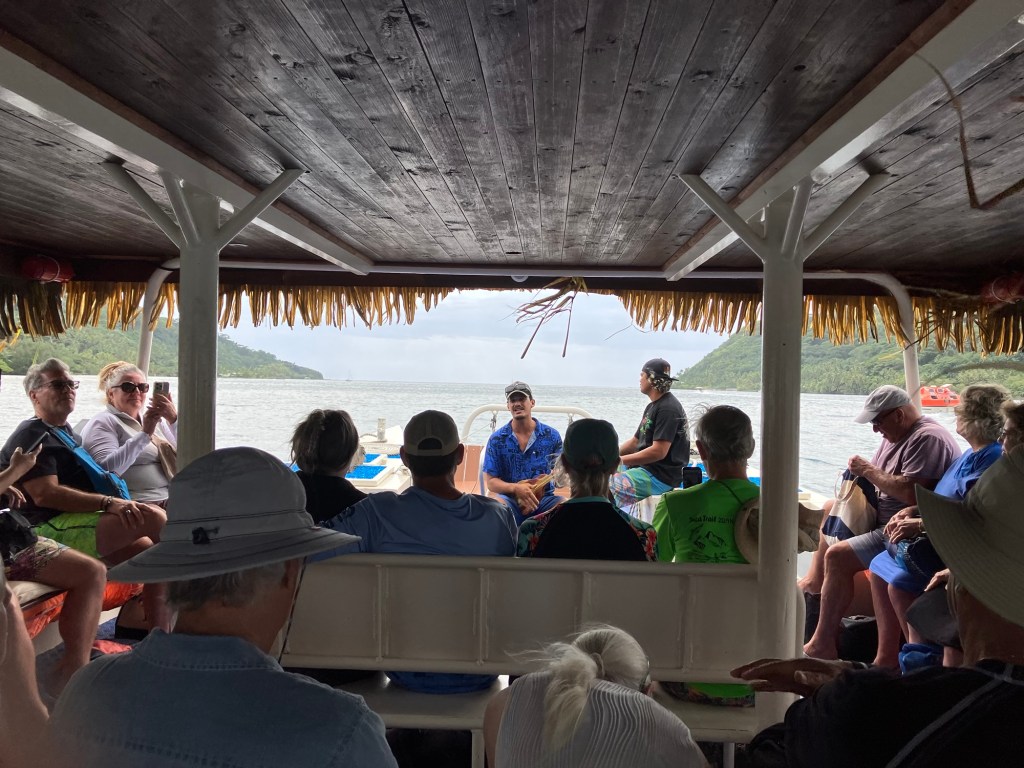
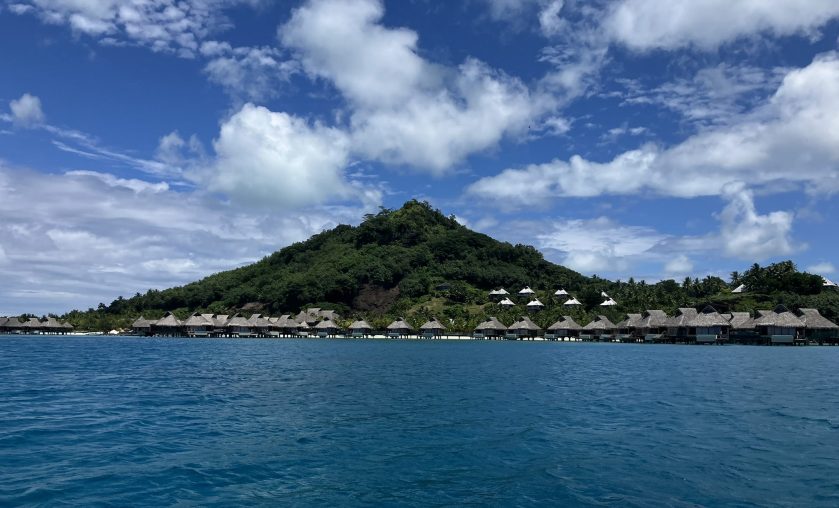
Another few hours cruising took us to our westernmost port of call in the Society Islands—Bora Bora—perhaps its most widely recognized island. Its reputation turned out to be justified as the mountainous island and its surrounding lagoon are a beautiful tropical paradise full of exotic plant, marine wildlife, and a welcoming population—both native and French.
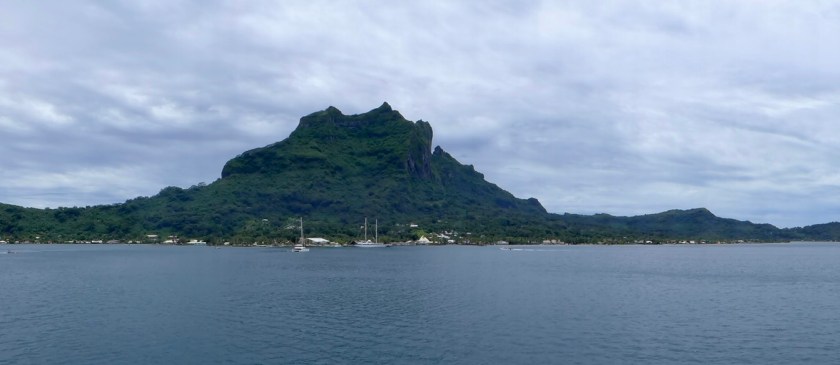
We anchored in the perimeter lagoon near the islets of To’opua and Motu Tapu—formerly the queen’s private island—now a park and site for Polynesian barbecues and native dance performances. By the way, the Tahitian word Motu means island.
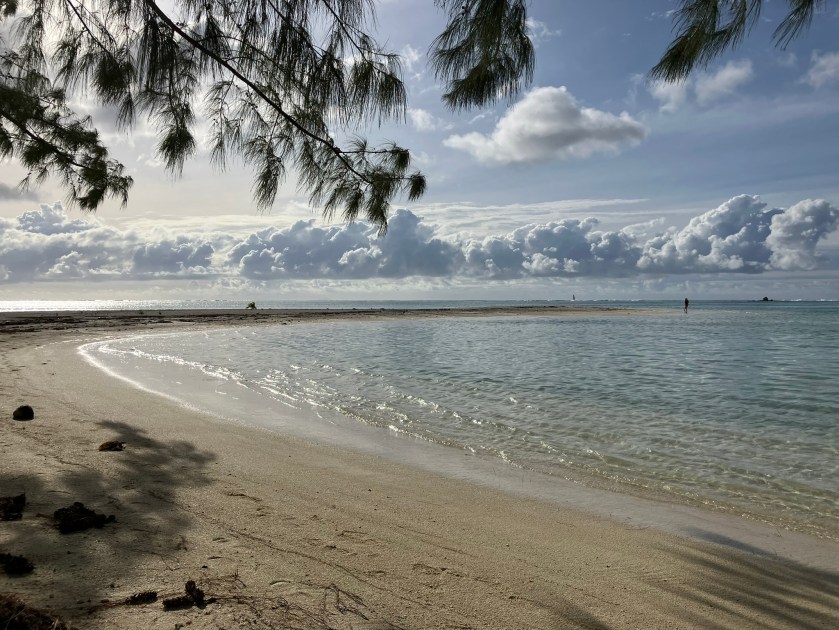
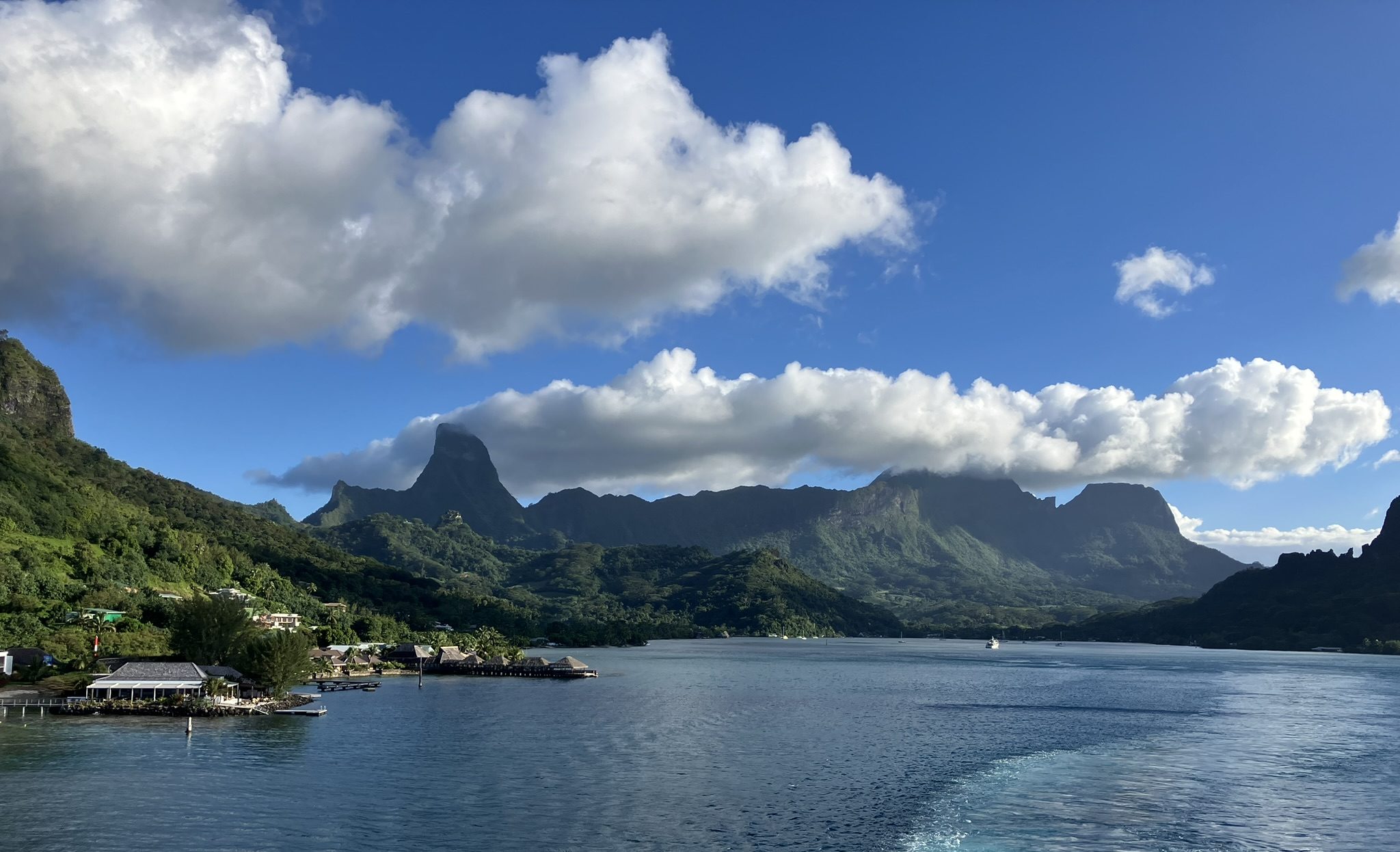
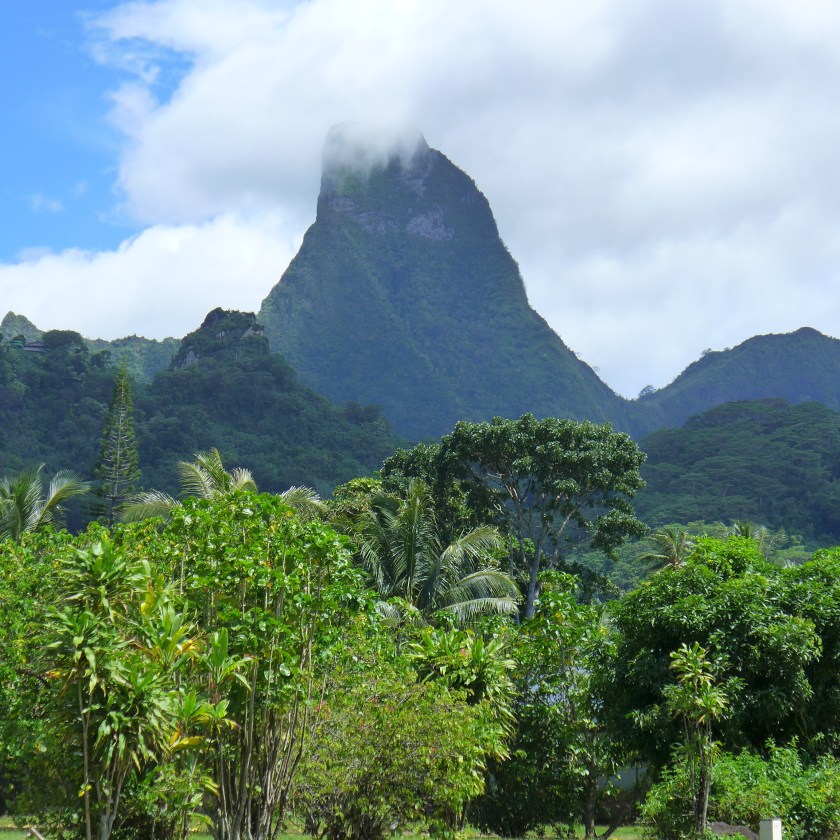
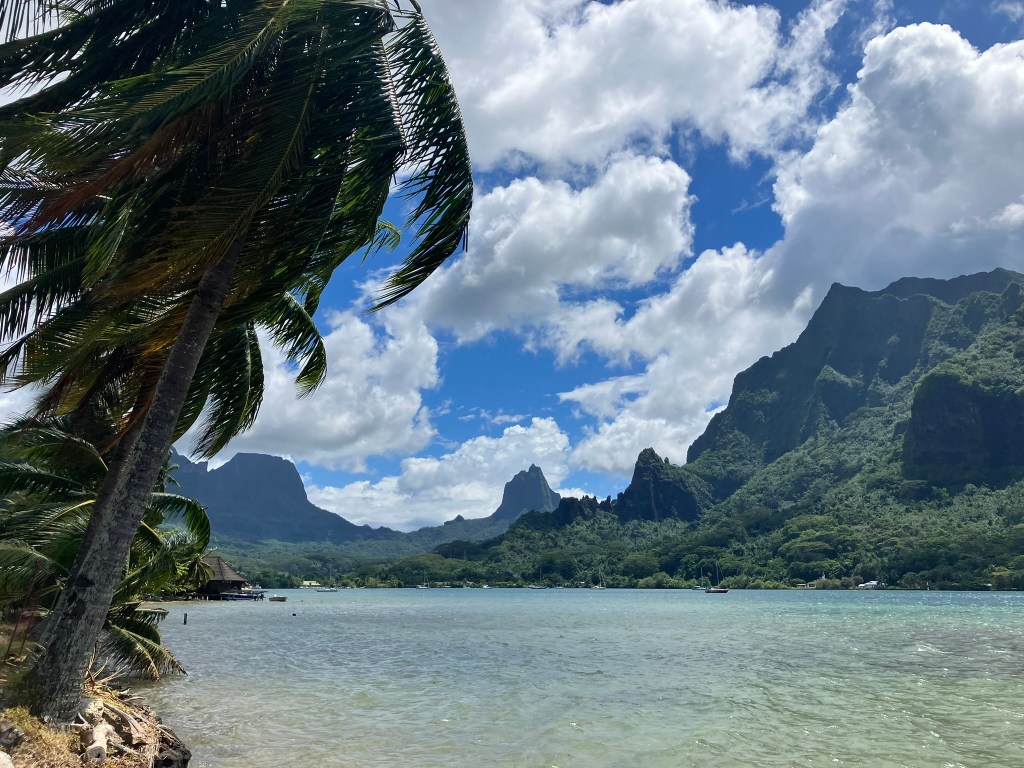
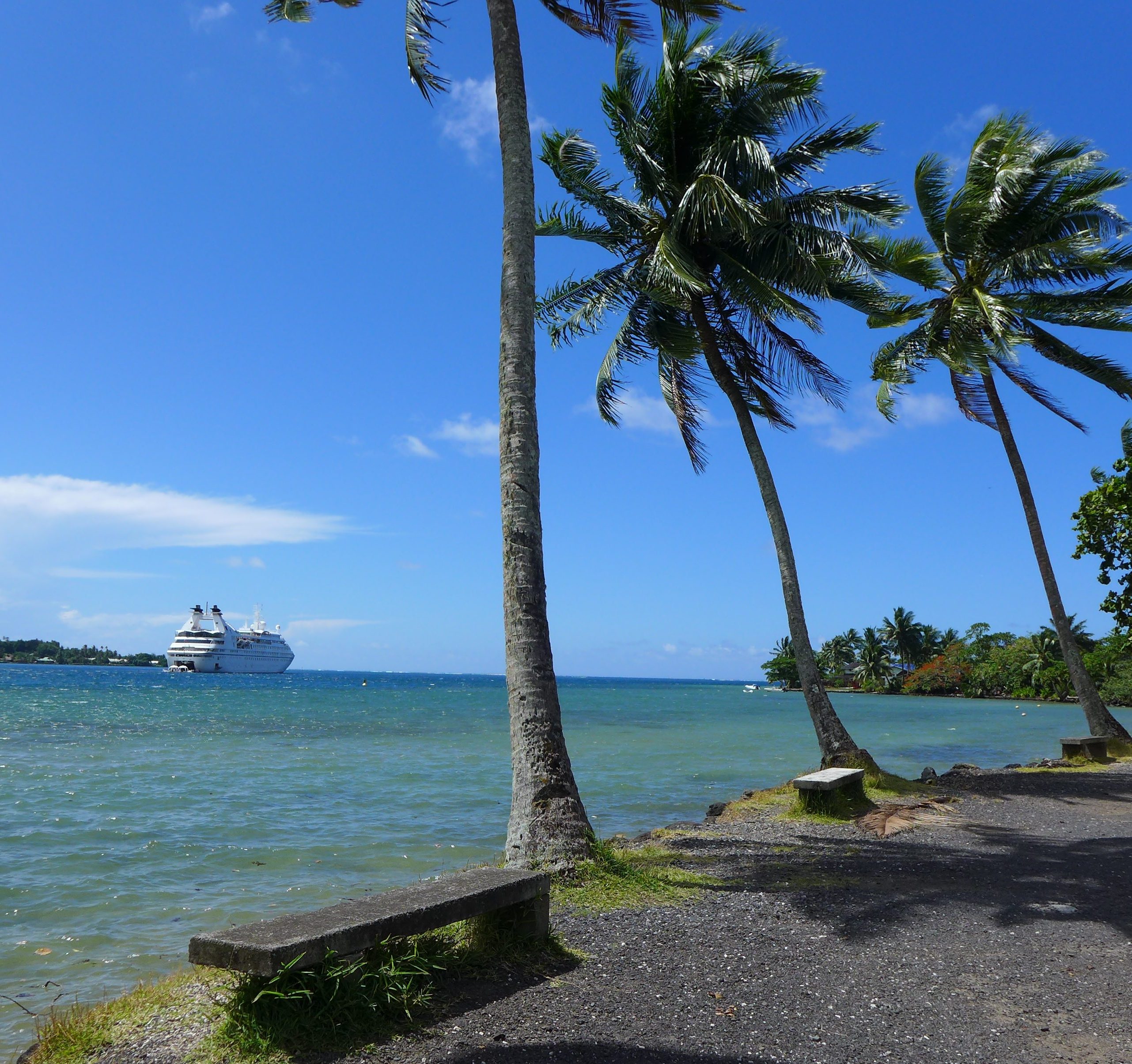
Overnight, we sailed to our last port of call before our final disembarkation at Papeete, Tahiti. The next morning, we found oursleves moored in Cook Bay on the island of Moorea.
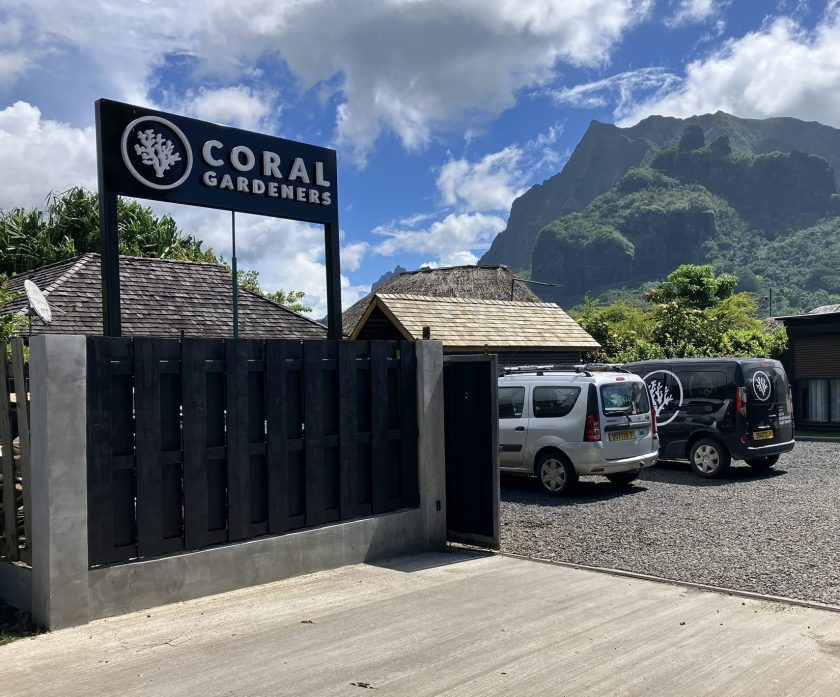
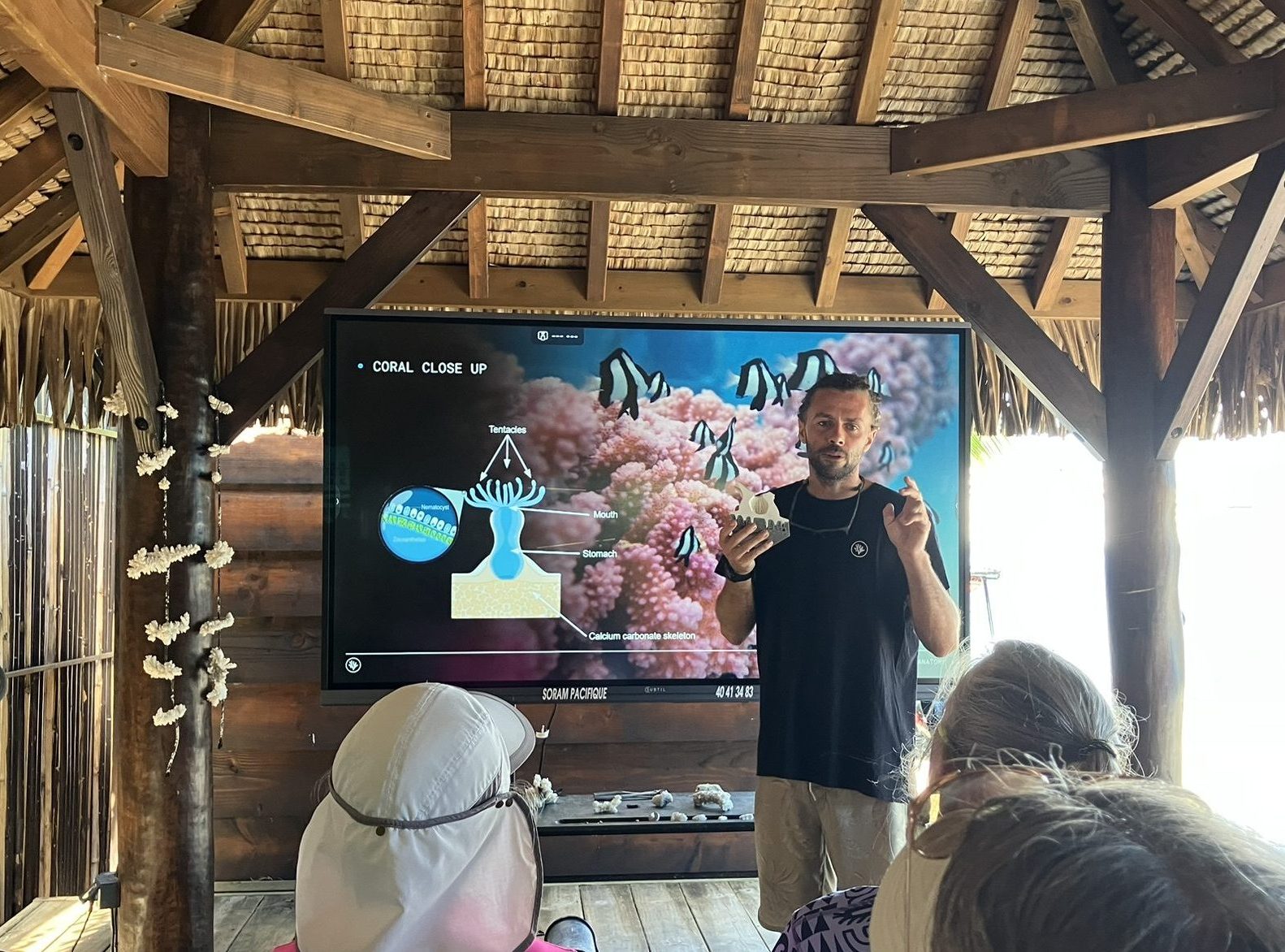
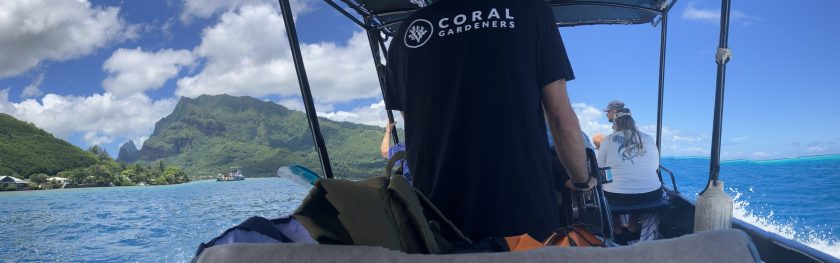
After breakfast, we walked to the Coral Gardeners research and restoration center. The Center is part of a global network of coral restoration organzations working to save coral reefs around the world by growing coral and repopulating reefs in their local waters.
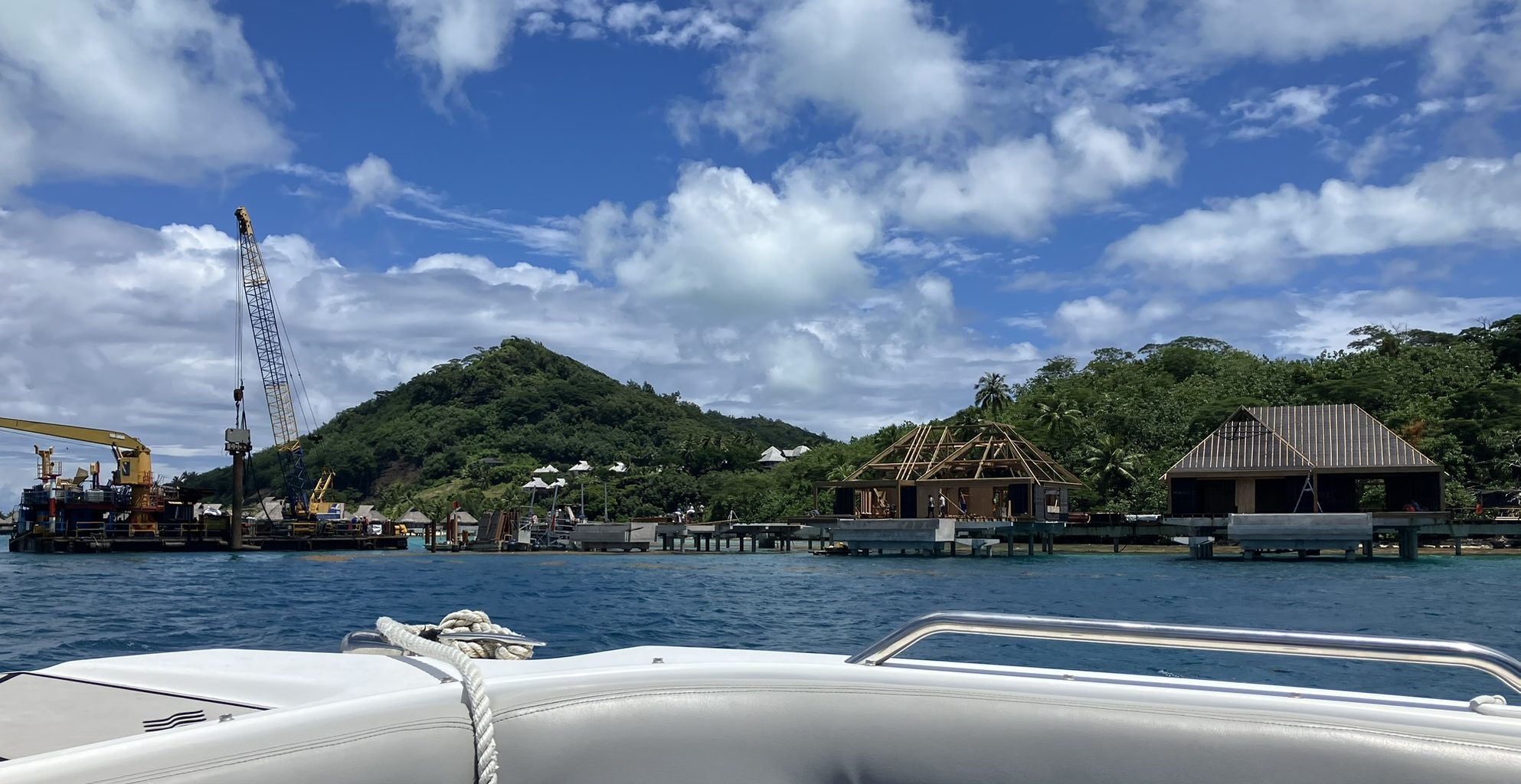
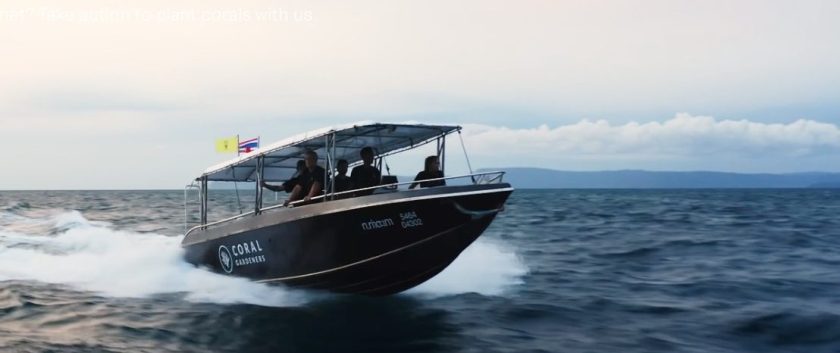
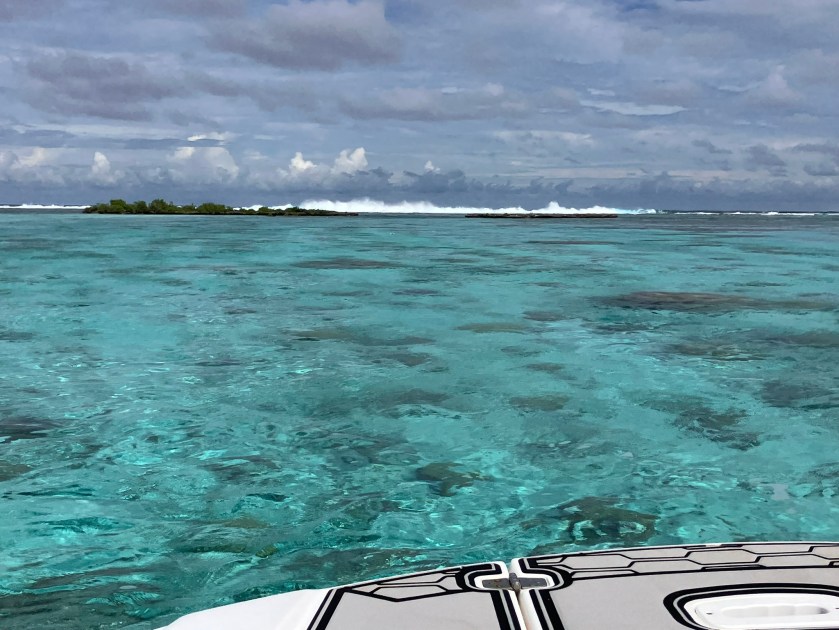
We boarded a couple of power boats for the ride out to the underwater coral farm.
“Coral reefs are among the most biodiverse ecosystems on Earth. They shelter an incredible variety of marine life and protect millions of people along coastlines. Yet they are also among the ecosystems most affected by climate change and human activity — and a large share could disappear by 2050 if we do not act.”— Coral Gardeners Moorea—https://coralgardeners.org/
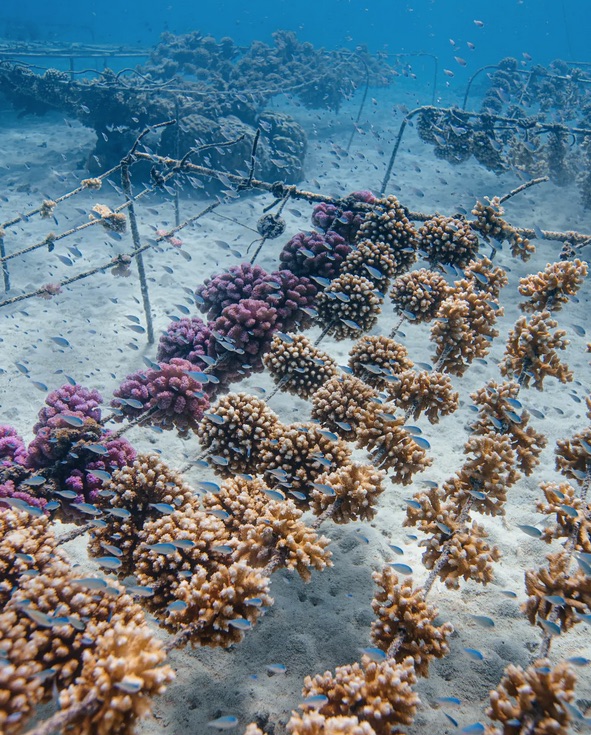
The garden is located just offshore in a shallow cove on the northeast side of the island in the protected lagoon. The garden consists of a network of steel pipe frameworks supporting wire cables to which coral cuttings are tied. They are monitored 24 hours a day by underwater camera and an Internet connection to the Coral Gardeners research center on the island. When they reach a viable stage of growth they are harvested for transplanting in coral reefs throughout French Polynesia. The corals grown here are intended only for transplantation on reefs in the waters of French Polynesia. Water conditions must be the same as those in which they were grown or the transplanted coral will not survive.
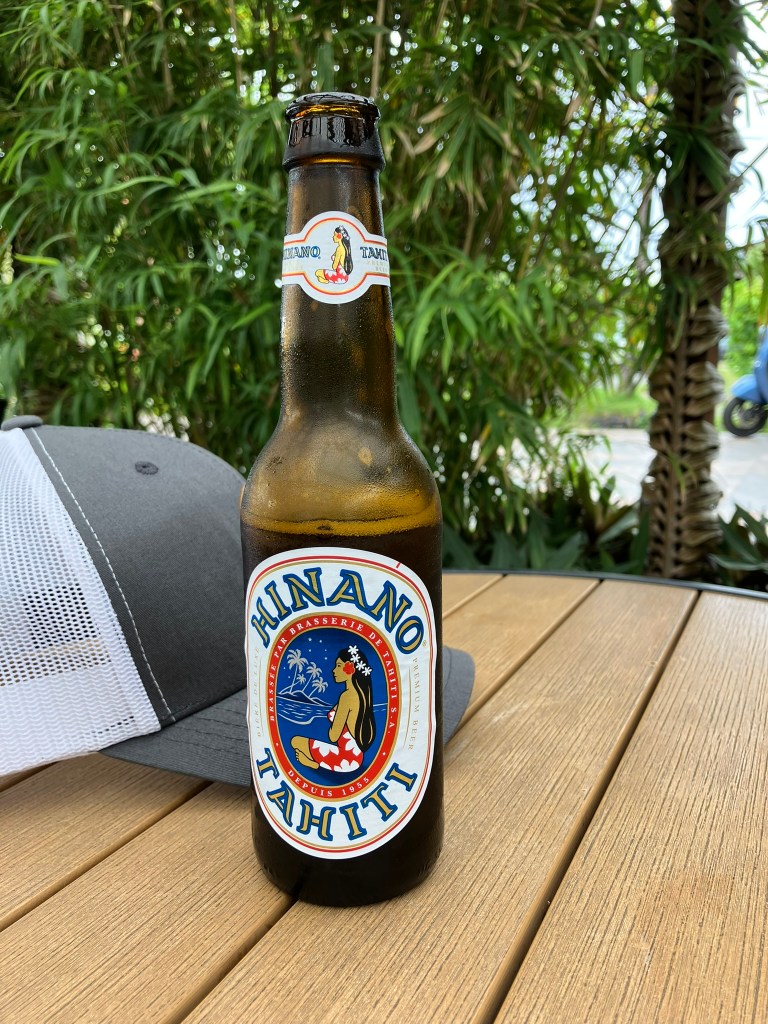
We spent the afternoon walking along Cook Bay from the port toward Paopao, the village at the head of the bay. We did a little pearl shopping and stopped for a local beer.
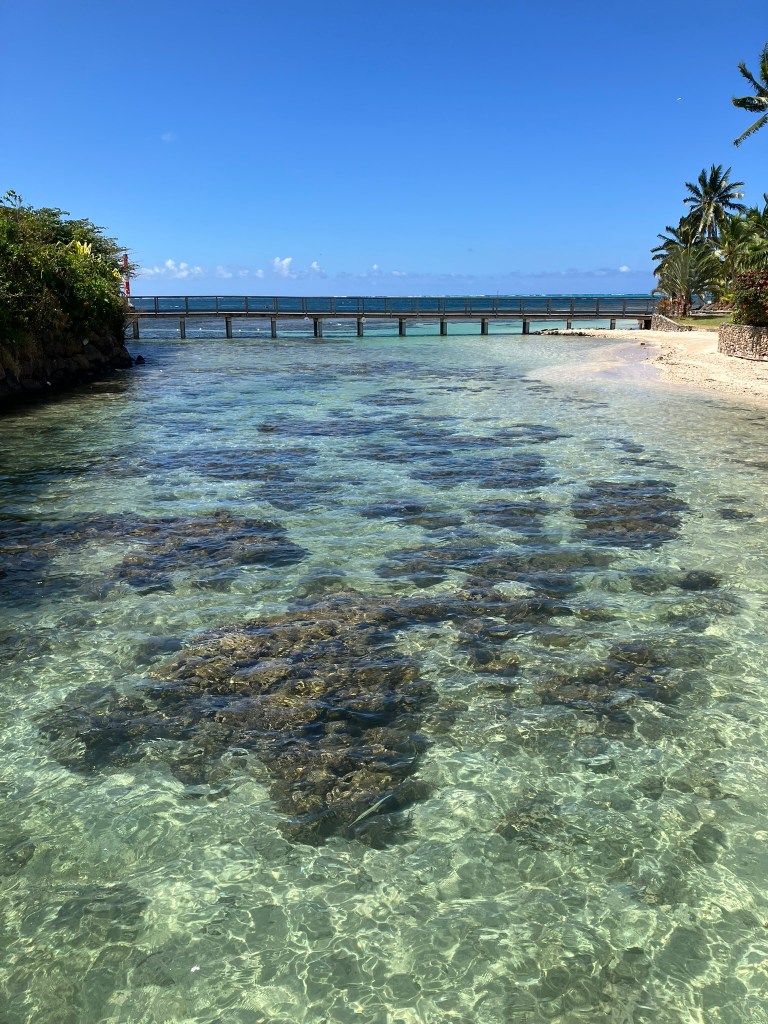
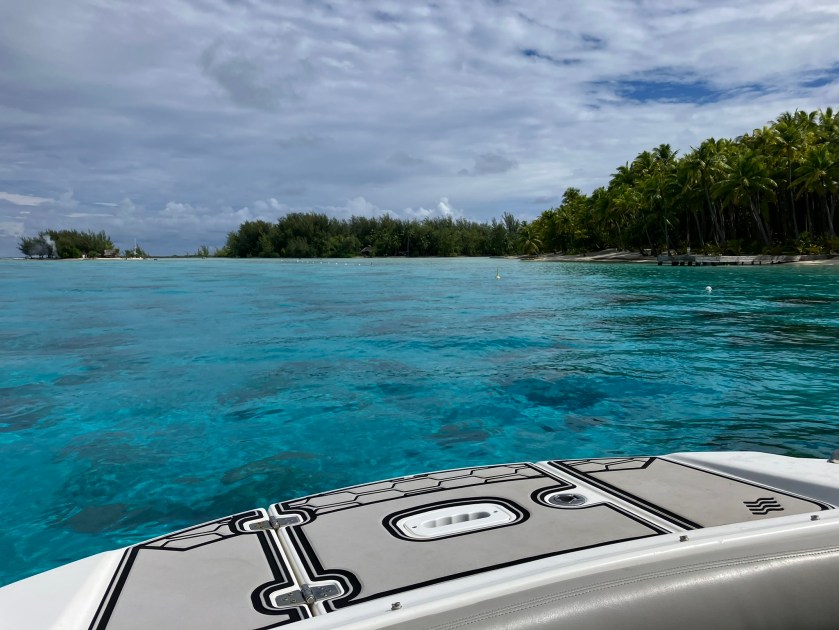
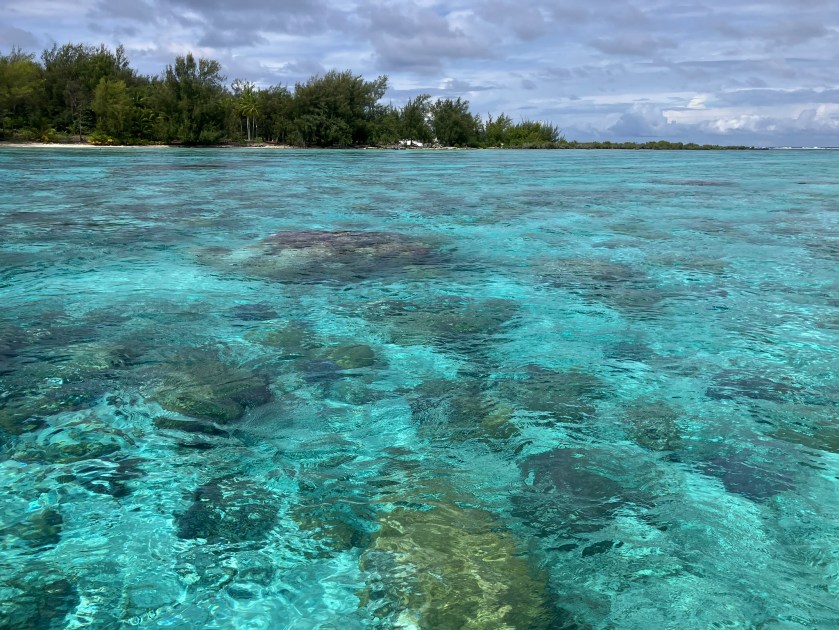
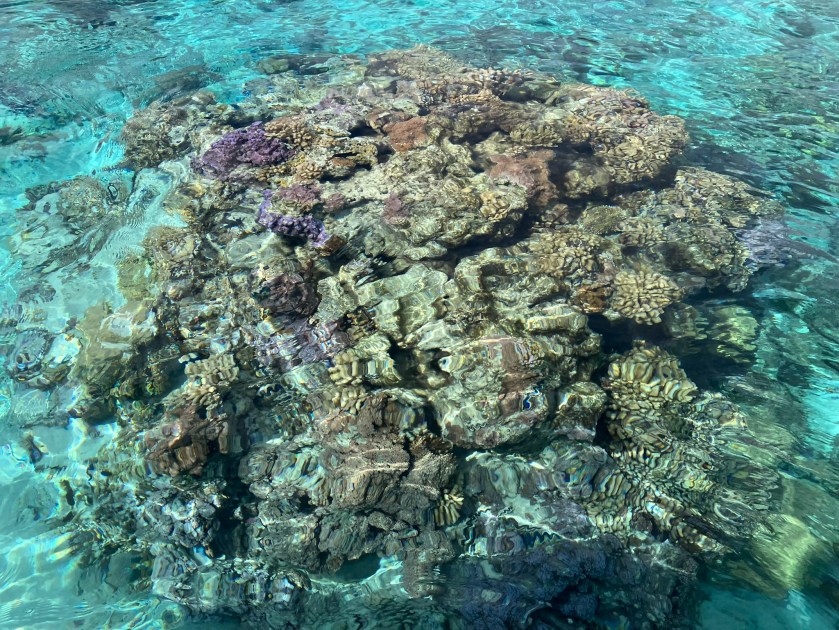
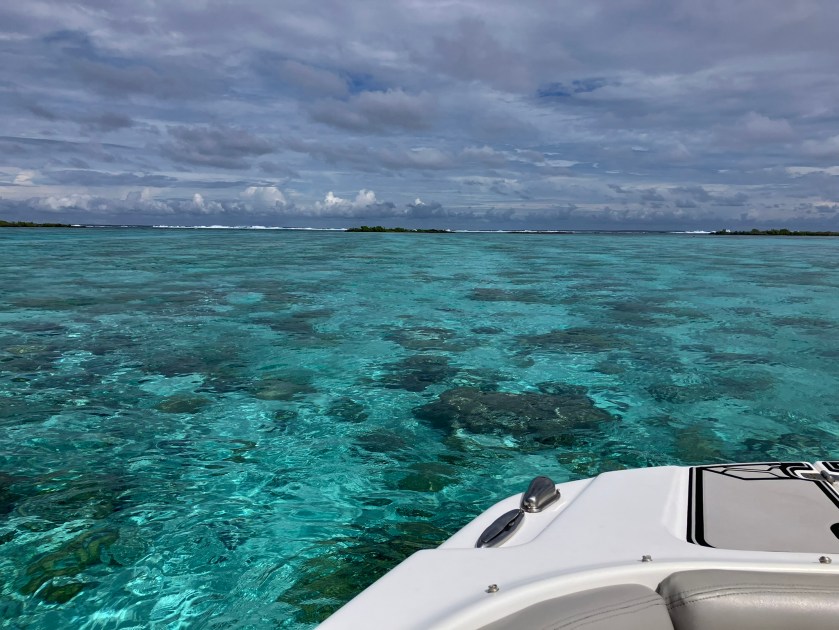
Our last adventure on Moorea was a boat ride around the island with a stop for drift-snorkeling in the current along a coral reef.
Later that afternoon, we departed for our last stop and disembarkation port at Papeete, Tahiti.
NEXT: Back to Papeete, Tahiti — Ah, well, I forgot to publish this post before the final post on the last leg of the trip back to Papeete. I will see if I can remedy the situation but, for now, the postings will appear out of chronological sequence.


